
World War II primarily impacted the European continent, and initially, not all American cities were eager to send their residents into combat zones. However, everything changed after the attack on Pearl Harbor. Chicago became one of the cities that significantly contributed to victory in World War II, as reported by “chicago-yes”.
Joining the U.S. Navy
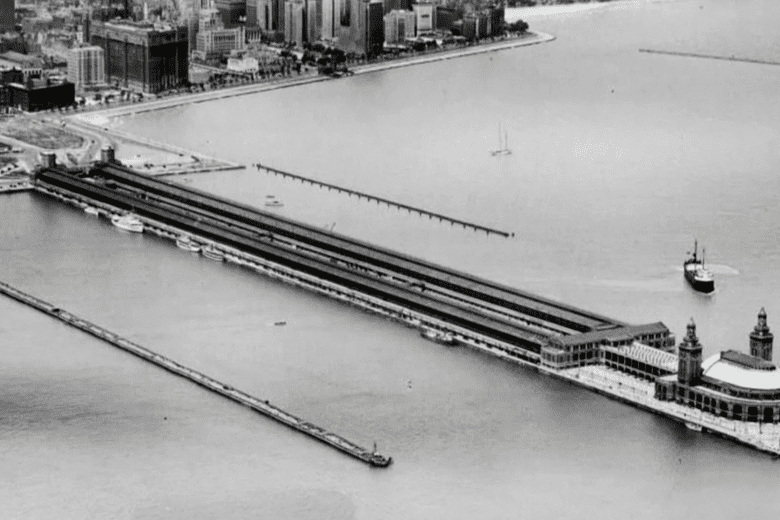
In 1916, Chicago’s Municipal Pier was primarily used for recreational and commercial purposes. However, two years after its opening, the United States and Europe were on the brink of a major war, leading the U.S. to expand its Navy substantially. With support from Chicago politicians and business leaders, the Naval Reserve School was established at the pier.
The school’s primary mission was to train officers capable of effectively managing both military and cargo transport. The school began operating in July 1911, initially training nearly 2,000 sailors simultaneously, with capacity for rapid expansion as needed. During World War I, the Naval Training Station prepared sailors who later participated in combat. Located on Lake Michigan, this station provided an ideal and secure environment, shielded from enemy attacks.
Throughout World War I, the station trained over 100,000 sailors. After the war, attention turned toward aviation training, leading to the establishment of a new training facility in Glenview, Illinois, called the Naval Aviation Base. These two facilities would play a significant role in World War II.
Following the war, the critical need for additional reserves lessened, and Chicago’s Municipal Pier resumed its commercial role. In 1927, the pier was renamed “Navy Pier” in honor of servicemen from World War I.
Chicago Before World War II
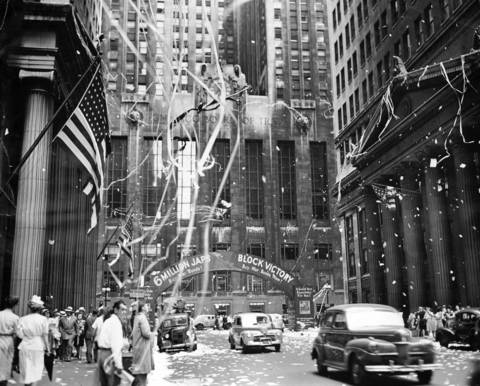
From 1939 to 1941, Chicago was the site of heated debates over whether the U.S. should join the European conflict. After two years, residents realized that war was inevitable. By 1944, almost every Chicago neighborhood had sent at least seven men into military service.
Those who remained behind contributed by purchasing war bonds and relying on food rations. Ceremonies honored departing soldiers, while small memorials were built to commemorate fallen Chicagoans. The war brought the city together as residents learned civil defense techniques, organized paper drives, and gathered scrap metal, which was later converted into nitroglycerin.
Even children contributed by collecting metal scrap to fund ammunition purchases. Residents also bought war bonds, providing essential resources for the military.
Aircraft Carriers and the Opening of the Aviation Training Center
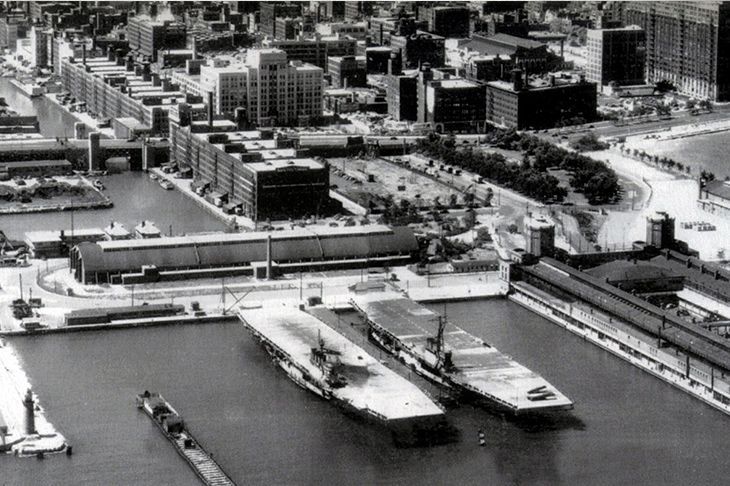
Following the outbreak of World War II, the U.S. Navy focused on creating modern aircraft carriers. They transformed luxury liners into combat-ready carriers, where pilots trained for military operations over the secure waters of Lake Michigan.
In August 1941, Chicago’s Naval Aviation Base underwent another transformation, becoming the Naval Air Technical Training Center. With a capacity to train 12,000 sailors simultaneously, the center provided gyms, laboratories, and classrooms for specialized training in radio and electronics, diesel mechanics, aviation mechanics, foreign languages, and even espionage. This became the largest training program in the nation and was established just months before the Pearl Harbor attack.
How the War Changed Chicago’s Economy
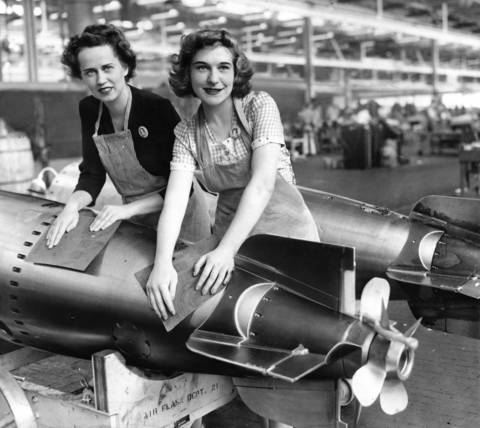
World War II swiftly transformed Chicago’s economy. The city became the second-largest producer of wartime goods in the U.S., with over a thousand local companies producing items ranging from torpedoes to bomb sights and engines.
For example, on the future site of O’Hare Airport, an aircraft plant produced over 600 transport planes in just two years. Much of the military’s electronics was manufactured in Chicago. According to Jerome O’Connor’s book Hidden Places of World War II, the city’s industrial activity near airports was crucial to gaining an advantage over the enemy.
Due to the mobilization of many men, factories faced labor shortages, resulting in work shifts and employment for people with disabilities, retirees, and women. African Americans also played a vital role in wartime production. Schools and universities introduced programs that taught essential skills for work in military production.
With Chicago’s extensive rail connections, thousands of soldiers passed through on their way to the front, finding rest and resources at the city’s Service Men’s Center. During the war, Chicago’s facilities prepared over 24 million rations for the troops.
Victory and Celebration in Chicago
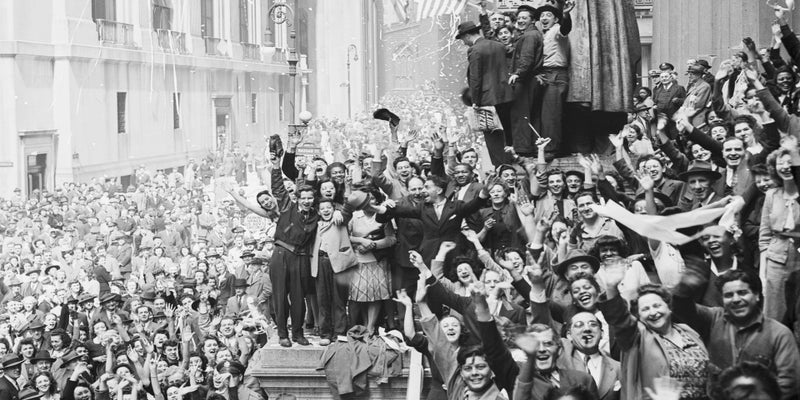
On August 14, 1945, World War II officially ended. Chicagoans celebrated, believing that hardship and sorrow were now behind them. However, a new era of nuclear weaponry emerged. In December 1942, scientists at the University of Chicago created the first nuclear reaction. Only a select few knew about the discovery, but the global impact of nuclear arms was yet to unfold.
Chicago’s vital role in World War II cannot be overstated. The city quickly mobilized, transforming its industry to support the war effort and becoming the second-largest producer of wartime goods, following Detroit. Chicago’s support for the Navy and the nation was invaluable.
Throughout the war, ordinary citizens—from women and ethnic minorities to various communities—stood united, tirelessly working toward victory over the Nazi regime. The enduring support from Chicago’s residents exemplified the city’s unwavering commitment to the United States Navy and the broader American cause.