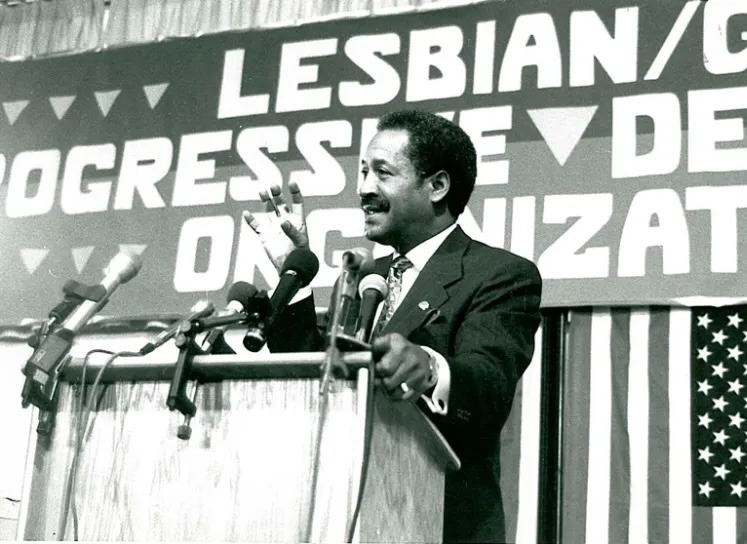

Eugene Sawyer carved out a place in Chicago history as a pivotal African-American political leader. He served the city’s Sixth Ward before becoming Mayor following the death of Harold Washington, continuing his predecessor’s political legacy while initiating key social and infrastructure reforms. Though his tenure was challenging, marked by criticism and political controversy, his career demonstrated a dedication to modernizing the city and protecting civil rights. Read on for more from chicago-yes.
Biography
Eugene Sawyer was born in Greensboro, Alabama, to Bernice and Eugene Sawyer Sr. He was the eldest of six children. During his childhood, he spent summer vacations in Chicago with his aunt, establishing an early connection with the city. Sawyer earned his education at Alabama State University, where he joined the Alpha Phi Alpha fraternity and graduated with a Bachelor of Science degree in Chemistry in 1956. After a brief stint teaching chemistry and math, he moved to Chicago for laboratory research and began working for the Chicago Department of Water in 1959, where he remained until 1971.
During this time, Sawyer became deeply involved in political life through the Young Democrats organization and the city’s Sixth Ward, serving as the head of the Young Democrats and becoming the financial secretary in 1968.
In February 1971, Sawyer was elected Alderman of Chicago’s Sixth Ward. By 1987, he had become the longest-serving member of the City Council. Throughout his time in office, he vigorously advocated for his ward’s interests, modernized infrastructure, and supported local initiatives, all while maintaining strong ties to the Democratic party machine.
Sawyer was married twice. His first marriage to Eleanor Taylor lasted from 1955 to 1984, and they had three children: Roderick, Shedrick, and Cheryl. In 1996, he married Veronica Smith-Sawyer. His son, Roderick, followed in his father’s political footsteps, becoming the Alderman for the Sixth Ward in 2011.
Mayor of Chicago
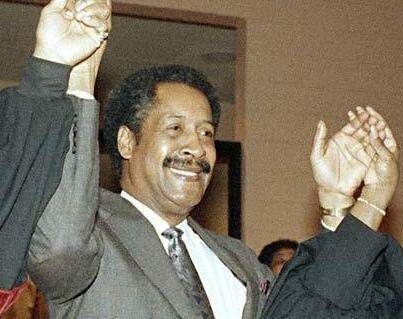
Following the death of Mayor Harold Washington, the City Council elected Sawyer to the position of mayor. His selection was fraught with controversy, as many of Washington’s supporters viewed him as a compromise candidate who had gained the backing of the majority of white aldermen. While his inauguration is often the subject of local lore, it officially took place in the Chicago City Council chambers.
During his term, Mayor Eugene Sawyer implemented the 1988 budget that his predecessor, Washington, had laid out. This was crucial for ensuring the city’s financial stability during a difficult economic period. His administration also actively pursued legislative initiatives, notably abolishing the taxi cab monopoly and launching a program to modernize public transportation, which improved the efficiency of Chicago’s transit system.
Infrastructure projects were another key focus of Sawyer’s work. Under his leadership, modern lighting was installed at the iconic Wrigley Field, and private land development projects around O’Hare International Airport were initiated, boosting economic growth and making the city more attractive for business.
The social reforms enacted by Sawyer made a noticeable impact on public life. He was a strong supporter of the 1988 Human Rights Ordinance—Chicago’s first law to protect the rights of the LGBTQ+ community. The mayor also launched the Clean Indoor Air Ordinance, which prohibited smoking in indoor public spaces and significantly improved conditions for health-conscious residents. Sawyer placed particular emphasis on working with labor unions. He achieved an unprecedented four-year contract agreement with the firefighters, which helped stabilize relations between the city government and the emergency services.
Eugene Sawyer also worked diligently to improve city services and increase administrative transparency. He oversaw the renewal of Chicago’s water and sewer systems, initiated the modernization of city schools and libraries, and backed local cultural initiatives. Sawyer was deeply involved in programs dedicated to youth development and education, providing financial support to community organizations working with children and teenagers, and encouraging private investment in public space projects. His efforts laid the groundwork for Chicago’s continued growth as an innovative and socially responsible city.
Stepping Down
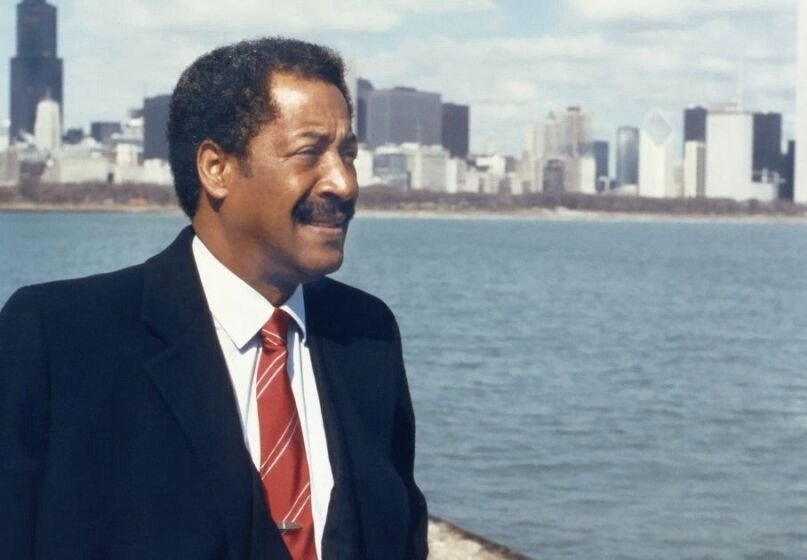
Despite his accomplishments, Eugene Sawyer struggled to match his predecessor’s popularity. A 1988 poll indicated that most residents doubted his capacity to be a strong and effective leader. These reservations factored into the results of the 1989 Democratic Party primary, where Sawyer was defeated by Richard M. Daley, winning only 40% of the vote.
Following his election loss, Eugene Sawyer retired from politics and returned to the business sector. He remained active in community life, particularly through the Vernon Park Church of God, where he continued to support the local community. He suffered a stroke in 1998 and passed away on January 19, 2008, at the age of 73. Sawyer was interred at Oak Woods Cemetery, near Harold Washington.
Eugene Sawyer left a distinct mark on Chicago’s political and social history. His tenure, though brief, was defined by his support for LGBTQ+ rights, modernization of the city’s infrastructure, and the protection of public health. His work advanced Washington’s reform initiatives, and his political career influenced the subsequent development of the Sixth Ward and the city’s democratic processes.