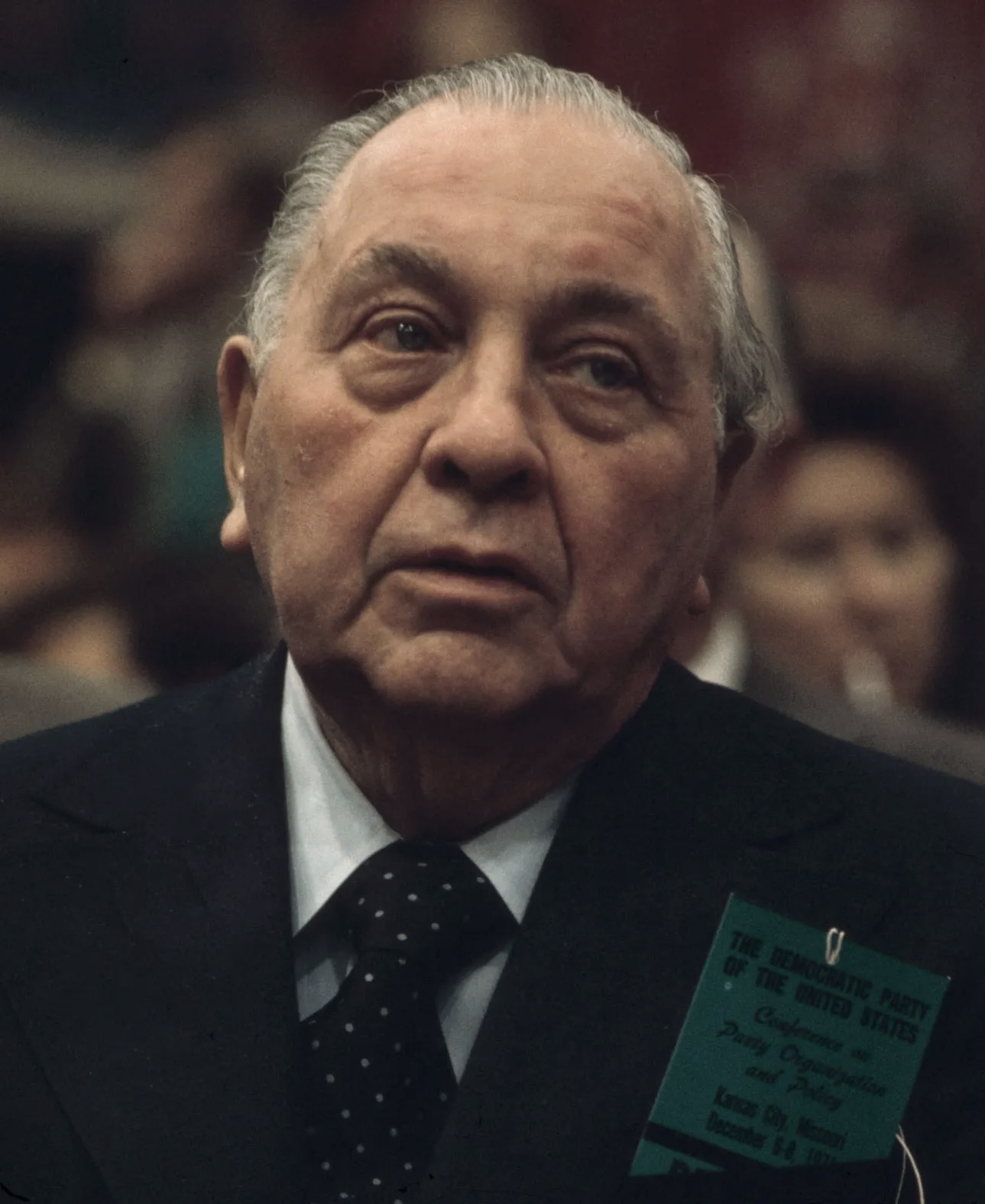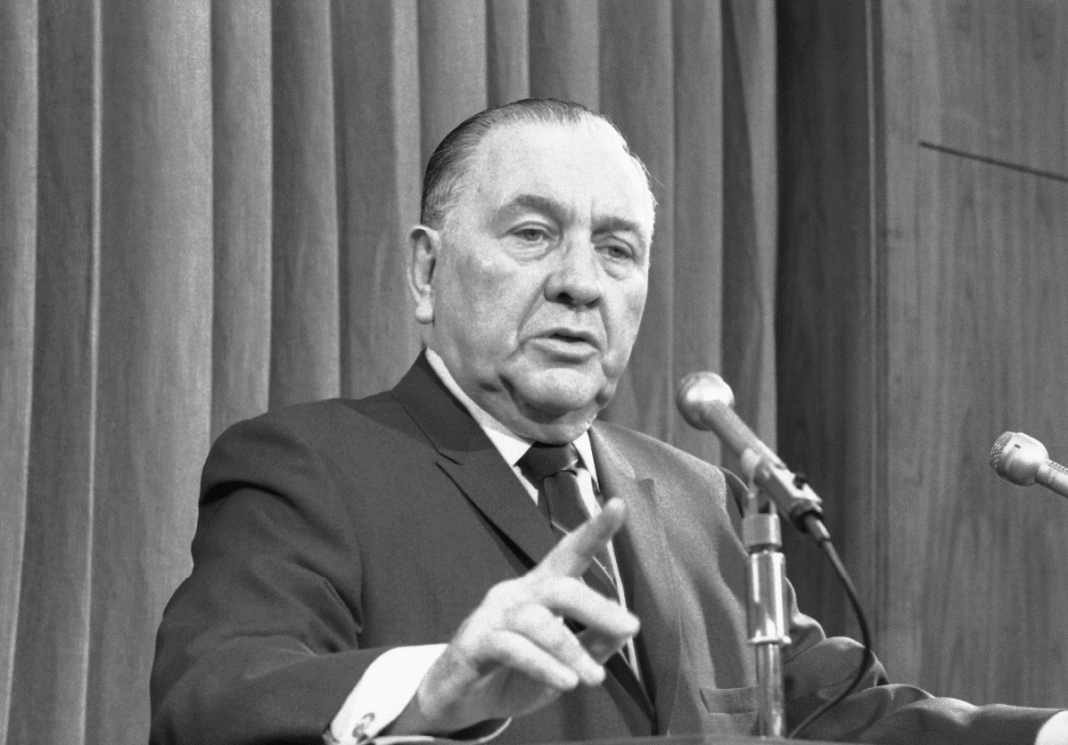

He was a Democratic politician who left an indelible mark on the city, becoming one of the most recognized figures in American municipal government. He led the third-largest city in the U.S. for 22 years—longer than anyone else in Chicago’s history. Learn more about the Republican Party’s activities in Chicago, its influence, and the laws it helped enact. Read more on chicago-yes.
Biography
Richard Michael Daley was born on April 24, 1942, in Chicago, into a family deeply entrenched in the political life of both the city and the state of Illinois. His father, Richard J. Daley, served as Mayor of Chicago from 1955 to 1976 and became the quintessential symbol of the “Chicago political machine”—an authoritarian yet effective system of party control that dominated city politics for decades. It was within this atmosphere of political influence, ambition, and strict party discipline that the future mayor’s worldview was shaped. Daley attended Catholic schools in Chicago before enrolling at DePaul University, where he earned a bachelor’s degree in law. During this period, he wasn’t immediately seeking to enter the political arena but remained consistently within his family’s sphere of influence.
Daley took his first political steps in the Illinois State Senate, where he was elected in 1972. He served as a senator until 1980, gradually forging his own political identity distinct from his father’s shadow. In the 1980s, he became the Cook County State’s Attorney, a position he used as a platform to bolster his public image as an effective, practical, and tough-on-crime administrator. In 1983, Daley made his first bid for mayor but lost in the primaries to Harold Washington, Chicago’s first African-American mayor. However, this defeat didn’t dampen his political ambitions. Following Washington’s death and a brief transitional period, Daley ran again in 1989 and won a special election. This marked the beginning of a 22-year era of continuous leadership, making him one of the most influential municipal leaders in U.S. history. His election signaled a return to “dynastic” politics in Chicago, but with a new face: the younger Daley sought to reform the city’s image without fully replicating his father’s authoritarian style. He proved to be a flexible leader, capable of blending political legacy with the pragmatism of an era defined by globalization and urban transformation.
Policy Decisions
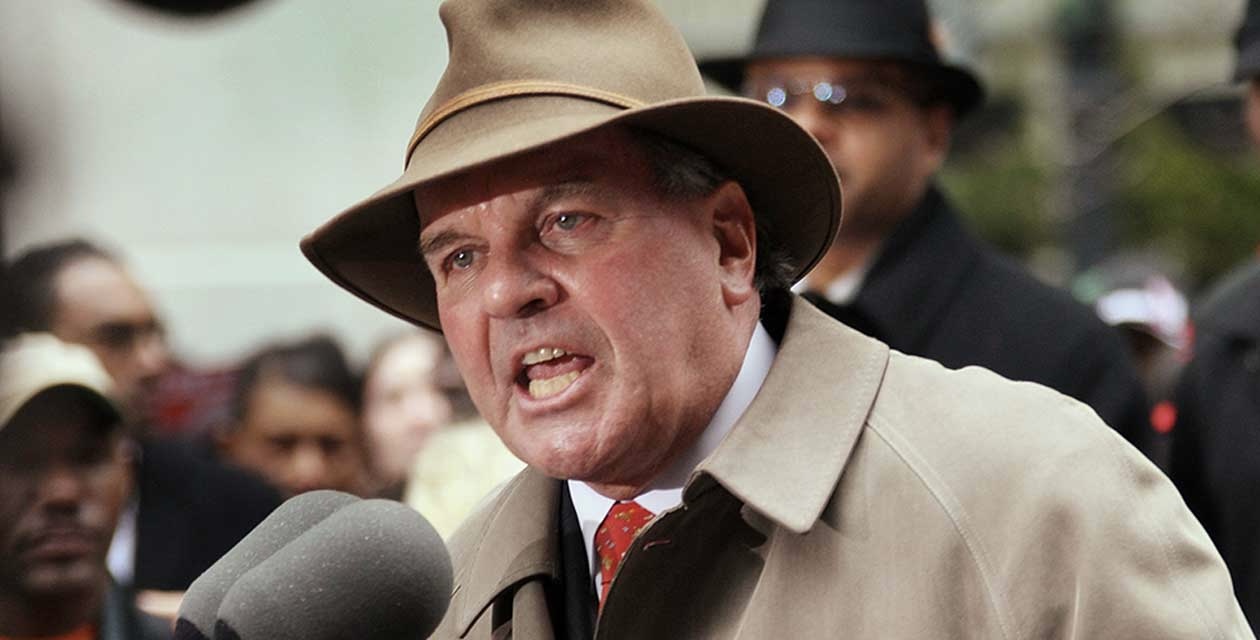
One of the most notable and visible features of Richard M. Daley’s administration was his strategy to transform Chicago into one of the greenest major cities in the United States. Amid rapid urbanization and growing environmental challenges, Daley pioneered urban-level ecological initiatives that gave Chicago a fresh identity—that of a modern, environmentally responsible metropolis. Under Daley’s administration, Chicago underwent a massive revitalization of its urban parks and public spaces. The most striking example was the reconstruction of Millennium Park, a project that later became a symbol of the modern city. Opened in 2004, the park became not just a recreational spot but a cultural and artistic hub, hosting concerts, festivals, art exhibitions, and other events that unite residents and tourists. Daley’s administration also promoted the implementation of green roofs on municipal buildings, which helped reduce the urban heat island effect, improve energy efficiency, and create new urban ecosystems. This approach later served as a model for other American cities and international urban projects.
In the realm of transportation, the mayor focused on developing eco-friendly and convenient commuting options for residents. The expansion of cycling infrastructure—including the creation of new bike lanes and the introduction of a municipal bike-sharing system—encouraged citizens to shift from private cars to more sustainable modes of transport. Additionally, the Daley administration upgraded the public transportation system, modernizing bus and tram routes and improving service quality. This helped reduce harmful emissions and made urban transit more appealing to residents.
Richard M. Daley also focused on the reconstruction of the city’s waterfront along Lake Michigan. This area, previously somewhat neglected, was transformed into a popular space for strolls, sports, and cultural events, significantly enhancing the quality of life in the city. Under his leadership, Chicago actively boosted tourism and the hospitality industry, which became a crucial factor in economic growth. The city regularly hosted major international events—from conferences and sporting competitions to cultural festivals.
These development policies helped transform Chicago from an industrial hub into a modern metropolis, serving as an example of a balanced blend of urbanism and environmental consciousness.
Criticism
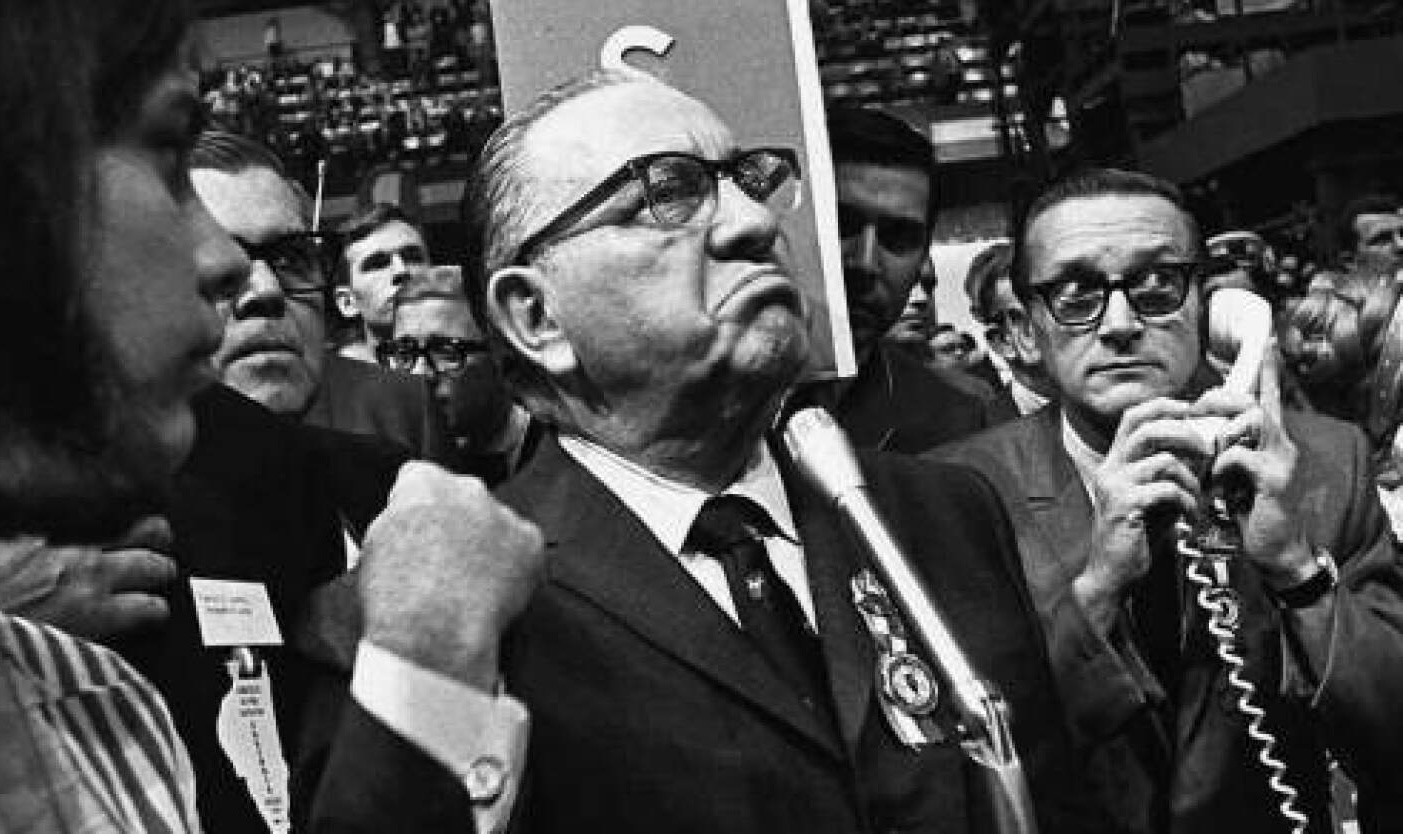
Despite numerous achievements, Richard M. Daley’s political career was not without significant controversy and criticism. His governance drew mixed reviews from politicians, the public, and experts alike.
One of the most frequent complaints against the Daley administration was the lack of transparency in municipal tenders and contracts. Critics accused him of making decisions often influenced by political lobbies, particularly through the support of the Democratic Party machine. Connections with business entities and familial ties sometimes raised suspicions of cronyism and corruption.
One of the most high-profile and controversial decisions was the privatization of the city’s parking system (Chicago Parking Meters). In 2008, the Daley administration signed a 75-year contract with a private company, granting it the right to manage parking spaces for $1.15 billion. While it seemed like a way to inject significant funds into the city budget at the time, the project later faced criticism due to a sharp increase in parking fees, substantial losses for the city budget due to a lack of control over revenues, and the difficulty of reviewing or terminating the long-term contract.
Impact on the City
Despite all the controversies and challenges that accompanied his long tenure, most political experts and urban planners recognize Richard M. Daley as one of the primary architects of modern Chicago. His leadership style combined a technocratic, pragmatic approach to city development with political agility and an ability to build broad coalitions of support. This allowed him to effectively implement large-scale projects despite political difficulties.
In 2011, after 22 years in office, Daley decided not to seek another term. His departure marked the beginning of a new era in Chicago’s political life. Rahm Emanuel, who previously served as President Barack Obama’s chief of staff, became the new mayor. Emanuel promised to continue the city’s modernization efforts but with fresh approaches to transparency and social policy.
Even after concluding his political career, Daley remained an active public figure. He engaged in consulting, assisting cities in the U.S. and other countries with urban planning and municipal governance issues. He also frequently gave lectures, sharing his experience with students and young politicians. Daley managed to leave a lasting legacy not just as a politician, but as a symbol of determination who transformed Chicago from a city grappling with issues into a modern metropolis with its own unique style and character.
Learn about the story of Samuel Altman—from programmer to millionaire, a Chicago entrepreneur who was at the forefront of ChatGPT.