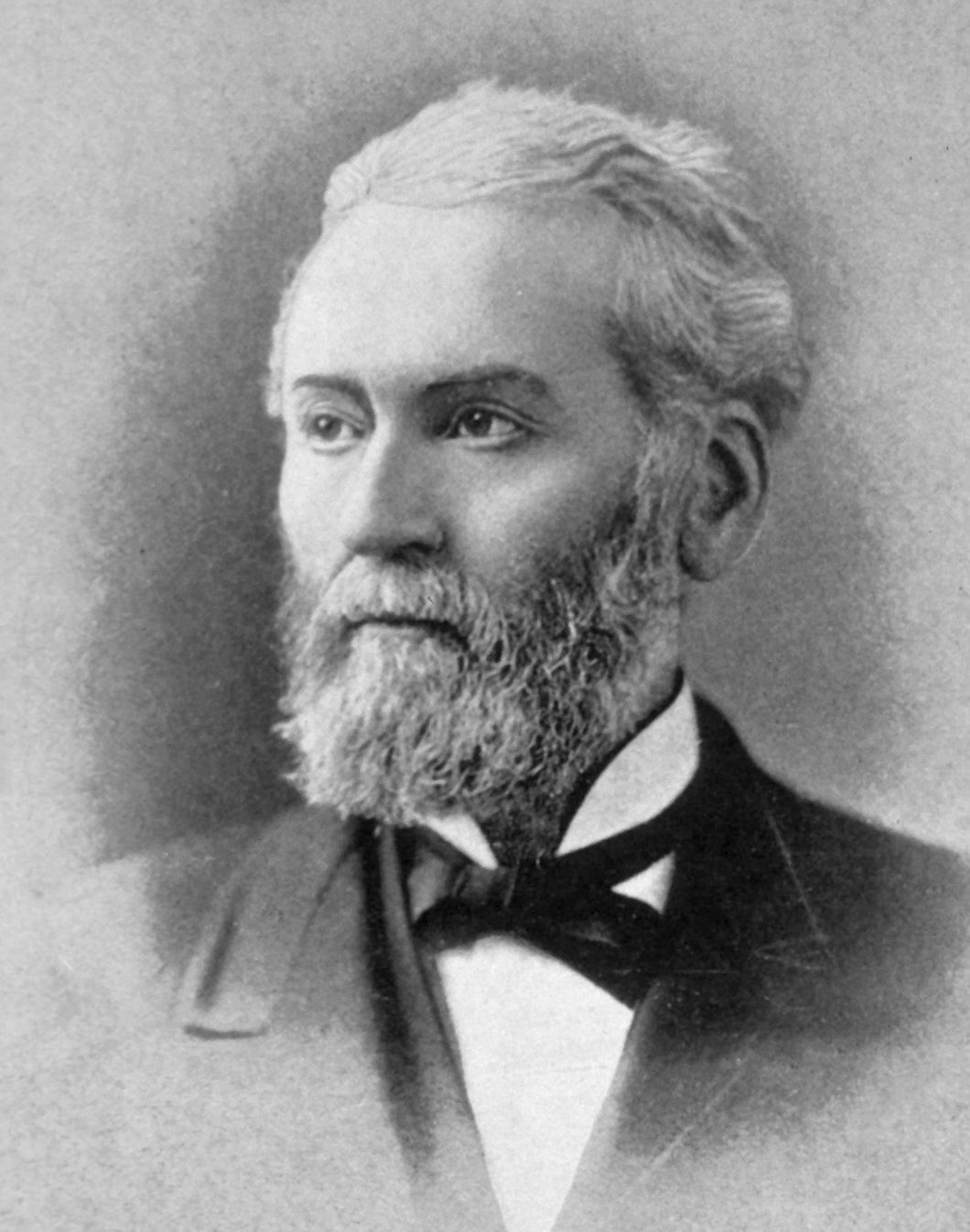

Joseph Medill was one of the most pivotal figures in 19th-century Chicago history. He cemented his legacy as the influential editor and publisher of the Chicago Tribune, an active supporter of the Republican Party, and the mayor elected immediately following the devastating Great Chicago Fire of 1871. His political activism, reforms, and profound impact on journalism established Medill as one of the most notable men of his era. Read more on chicago-yes.
Biography
Medill was born on April 6, 1823, in Saint John, New Brunswick. His family had Scots-Irish roots. In the 1830s, the family relocated to Ohio, where the future politician received a classical education that included English grammar, Latin, logic, and philosophy. After attending Massillon Academy, he chose a legal career and was officially admitted to the bar in 1846.
After a few years practicing law, Medill decided to change his professional focus, with journalism becoming his new calling. He initially founded several local newspapers in Ohio before acquiring the Chicago Tribune with partners in 1855. It was under his leadership that the paper transformed into one of the Midwest’s most influential publications. Medill shaped its editorial policy, reformed the paper’s structure, and made the Tribune the leading voice for local Republicans.
Political Career
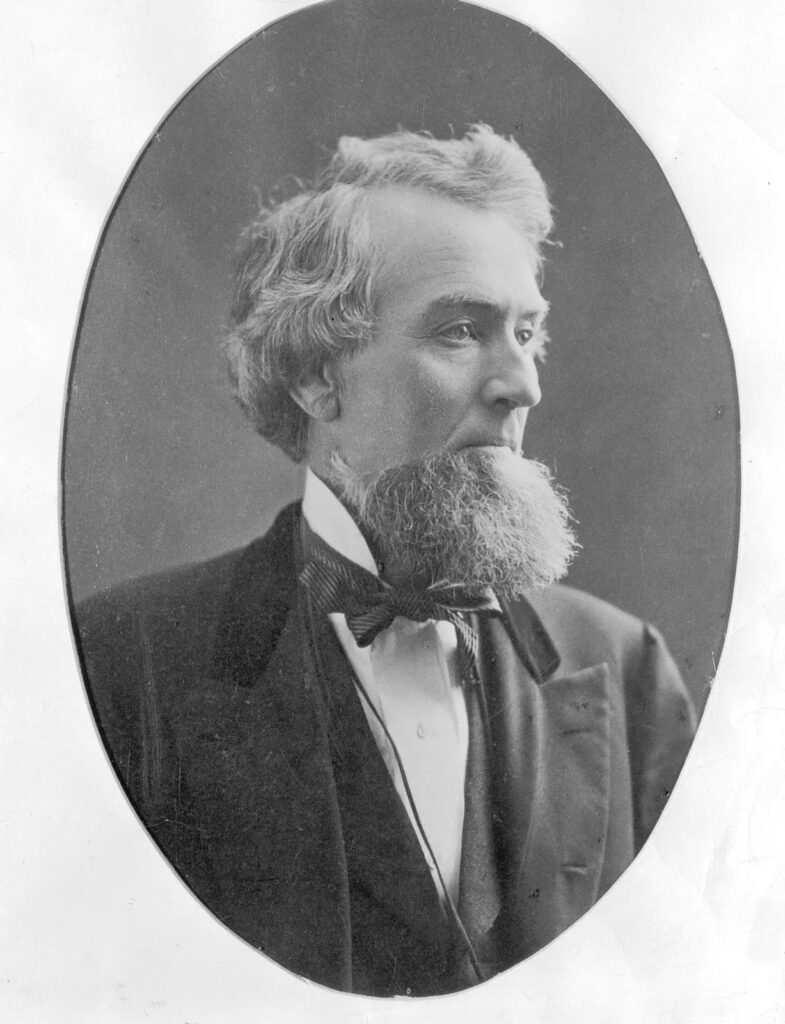
Medill was a staunch abolitionist, actively supporting the Free-Soil Party and later the Republican Party. He played a crucial role in promoting Abraham Lincoln’s political ideas and backed his nomination for the presidency. The Chicago Tribune, under Medill’s guidance, became a vital tool for Republican messaging during the Civil War. However, Medill held a sharply negative view of Irish immigrants, frequently expressing prejudiced opinions in his editorials, which created tension within parts of the community.
In 1871, Chicago suffered a catastrophe—a massive fire that destroyed a significant portion of the city. In the aftermath of the tragedy, voters elected Joseph Medill as mayor, representing the combined “Union Fireproof” ticket. His term began on December 4, 1871. In his inaugural address, Medill openly acknowledged the scale of the devastation, stating that over 125,000 people had been left homeless by the fire. He also provided the city’s debt calculations: as of December 1, 1871, Chicago’s total bonded debt stood at approximately $13.5 million.
Major Reforms
One of Medill’s key moves was changing the city charter, which significantly expanded the mayor’s authority. The new law allowed the mayor to appoint and dismiss non-elected officials, preside over the city council, form council committees, and veto council decisions, including budget measures. These innovations allowed Medill to centralize power and quickly implement necessary changes in city governance.
Among Medill’s cultural achievements was the launch of the city’s first public library, which became a powerful symbol of Chicago’s revival following the destructive fire. The library not only raised the educational level of the residents but also fostered civic life in the city.
After the catastrophic fire, the city urgently needed systemic reforms for its emergency services. Medill streamlined the structure of the fire and police departments, optimizing work protocols and unit organization. This significantly increased their effectiveness and improved public safety. Medill also initiated a ban on the construction of wooden buildings within city limits, a crucial step toward safer architecture and preventing future large-scale conflagrations.
Through active lobbying, Medill successfully secured substantial financial aid for Chicago:
- reimbursement from the state for funds spent on the Illinois and Michigan Canal;
- a reduction of duties on building materials;
- over $5 million in donations from various countries worldwide.
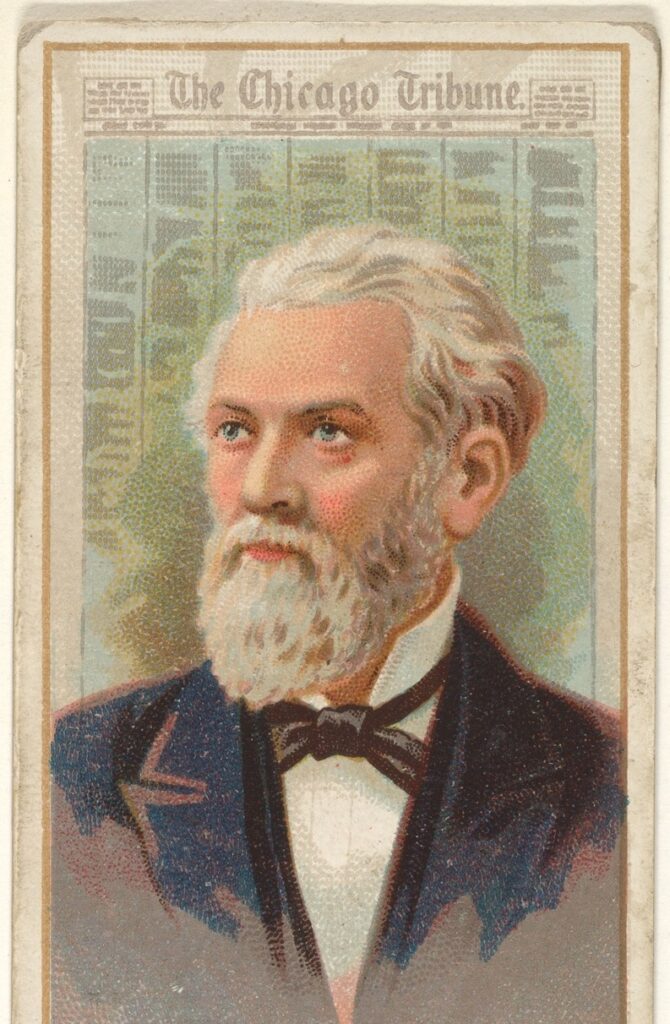
Despite his successful reforms, the concentration of power led to conflicts within the city council and among the citizens. Opponents labeled Medill a “dictator,” and his aggressive actions against gambling sparked significant backlash.
Due to deteriorating health from overwork, Medill resigned as mayor in late 1873, handing over his duties to Lester Bond. He subsequently returned to the Chicago Tribune, where he continued his work until the end of his life. Medill passed away on March 16, 1899, in San Antonio, Texas, and was buried in Graceland Cemetery in Chicago.
Joseph Medill’s name is immortalized in two great symbols of American history: the Liberty Ship SS Joseph M. Medill was created during World War II, and the Medill School of Journalism at Northwestern University is named in his honor and is considered one of the most prestigious journalism schools in the United States.
Joseph Medill left an indelible mark on Chicago’s political, media, and social history. His drive and reformist decisions enabled the city to recover swiftly after the disaster, and they helped the Chicago Tribune become a leading national publication. Medill’s career is a prime example of how journalism and political leadership can fundamentally change the face of a great city.