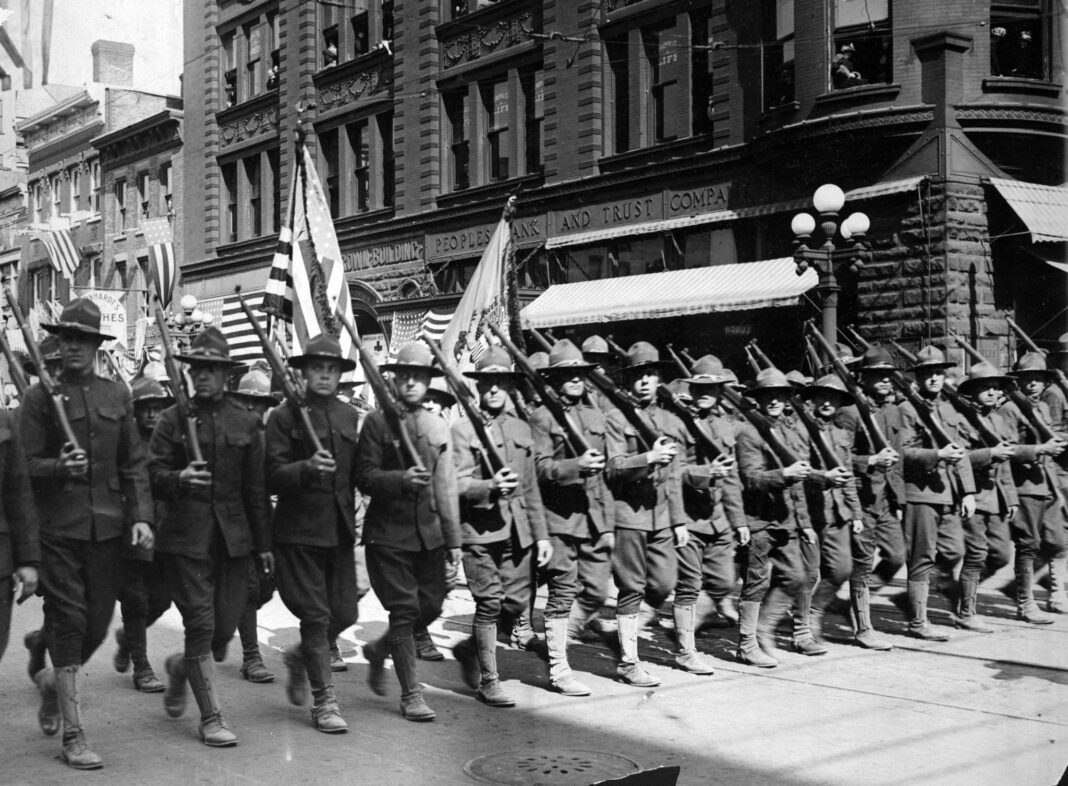

Chicago played a major role in World War I and World War II. Its factories ramped up production of goods for soldiers, while numerous military schools prepared thousands of young men and women to defend democracy against the threat of tyranny. Additionally, Chicago was home to a military training base, and its residents rallied together to provide crucial support to those in need, such as widows and orphans, writes chicago-yes.com.
The Douglas Factory and the Naval Reserve School
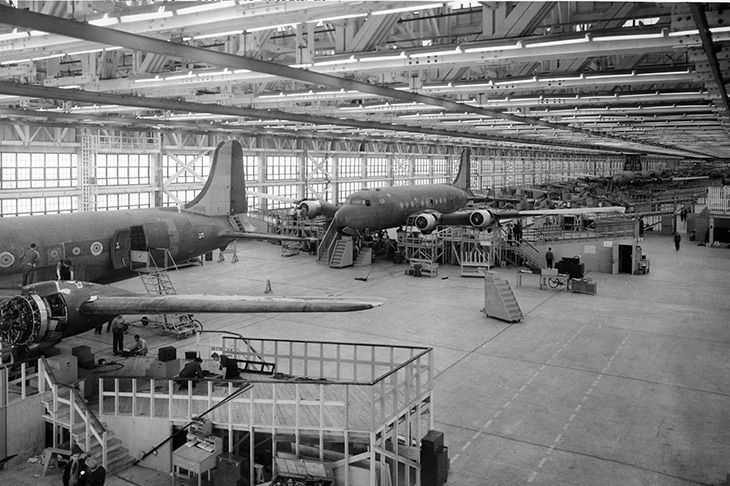
During World War I and World War II, the Douglas aircraft plant produced approximately 655 cargo planes for military use. After the wars, it was converted into the commercial Orchard Field Airport, now known as O’Hare International Airport.
In 1916, Navy Pier was known as Municipal Pier, designed for entertainment and commercial shipping. By the time it opened, fighting had already been raging in Europe for two years. Before America entered World War I, the Navy launched a massive training program that expanded the U.S. Navy from about 59,000 sailors in 1916 to 530,000 by 1918. This successful initiative was made possible through the collaboration of Chicago’s political, business, and professional leaders, who partnered with the U.S. Navy to establish the U.S. Navy Reserve School at Municipal Pier. Soon, other facilities emerged across the city to train effective officers for military and cargo transports. These brave young men served with honor and distinction. When the war ended in November 1918, the need for naval officers diminished, and the pier returned to its original purpose. In 1927, it was renamed Navy Pier to honor the contributions of the thousands of brave merchant mariners who lived, worked, trained, and deployed from Chicago to the front lines.
During World War II, the city focused its efforts on building new facilities and converting existing ones to produce military goods. As a result, Chicago became the second-largest city after Detroit in terms of the estimated value of its military production. Throughout the war, over 1,400 companies manufactured essential military supplies. The Dodge plant, a division of the Chrysler Corporation, built a $100 million factory to produce B-29 Superfortress bombers, which was considered the largest in the world at the time. Other companies retooled their existing factories to produce military goods such as rations, torpedoes, and electronic equipment.
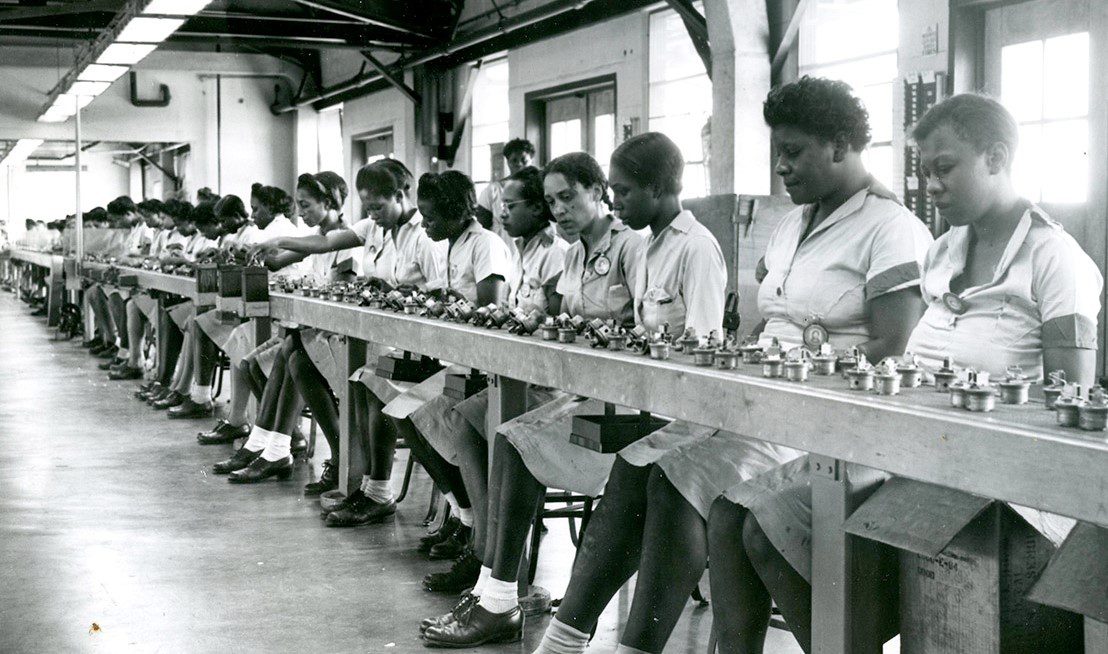
However, these factories and plants needed a massive workforce to produce such a large quantity of goods. Answering the nation’s call, tens of thousands of civilians joined the effort. African Americans, Japanese Americans, and members of Chicago’s diverse ethnic communities, along with thousands of women, stepped up to perform challenging jobs that were crucial to winning the war.
Naval Training on Lake Michigan
Chicago also became a central hub for training Navy recruits. With financial backing from the city’s business districts, the Navy established the Great Lakes Naval Training Station in Lake Bluff, on the shore of Lake Michigan. It officially opened on July 1, 1911, and was initially designed to train 1,500 sailors. As the war in Europe threatened to draw in the United States, the station expanded. It was an ideal location for naval training due to its protected waters, which were safe for ships. By the end of World War I, the station had trained approximately 125,000 sailors.
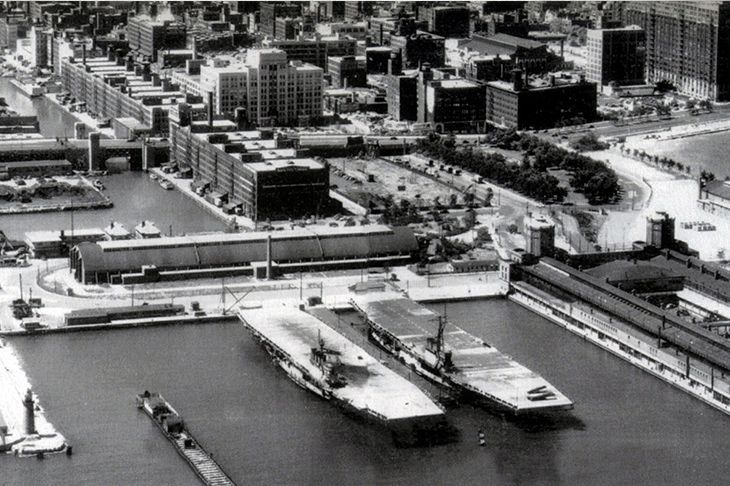
During World War II, the Navy acquired two luxury cruise ships, retrofitting them into the world’s only freshwater aircraft carriers. They operated out of Navy Pier on Lake Michigan, conducting training in safe waters far from the reach of enemy submarines. Thanks to this innovative strategy, the Navy successfully prepared 18,000 pilots for aircraft carrier operations.
In the summer of 1941, just months before the attack on Pearl Harbor, the Navy converted the pier into the Chicago Naval Air Technical Training Center. It housed up to 12,000 sailors and marines at a time. In total, about 60,000 personnel received technical training there, making it the nation’s largest training program for specialized skills at the time.
Although the Naval Air Station in Glenview closed in 1955, its legacy lived on through the people who passed through its doors, including former presidents George H.W. Bush and Gerald Ford. Today, Naval Station Great Lakes is the U.S. Navy’s sole boot camp, where 35,000 civilians are trained annually to become sailors and serve aboard ships to protect the country.
Civilian Support on the Home Front
The role of Chicago’s residents on the home front was also remarkable. They not only contributed to military production and recruit training but also performed countless other tasks to support the war effort. Children collected scrap metal for recycling and saved their pennies to buy war bonds. Families planted “victory gardens,” growing fruits and vegetables to free up more resources for troops overseas. City residents also organized and attended rallies, proudly purchasing war bonds to provide additional resources and support for the troops on the front lines.
Together, the people of Chicago became more than just neighbors; they formed a strong community that demonstrated heroism and mutual support for many years. Their powerful legacy lives on in history.