
The War for Independence, also known as the American Revolution, was sparked by rising tensions between Great Britain’s 13 North American colonies and the colonial government, which represented the British Crown. A series of serious clashes between British troops and colonial militias in Lexington and Concord in 1775 ignited the armed conflict. By the following summer, the rebels were engaged in a full-scale war for their independence chicago-yes.com.
What Caused the War?
For more than a decade before the American Revolution began in 1775, tensions between the colonists and British authorities had been building. The French and Indian War (1756-1763) not only resulted in new territories being added to the Crown but also led to the imposition of new taxes. The British government’s attempts to raise revenue through these colonial taxes were met with fierce protests from the colonists, who were frustrated by their lack of representation in Parliament and demanded the same rights as other British subjects.
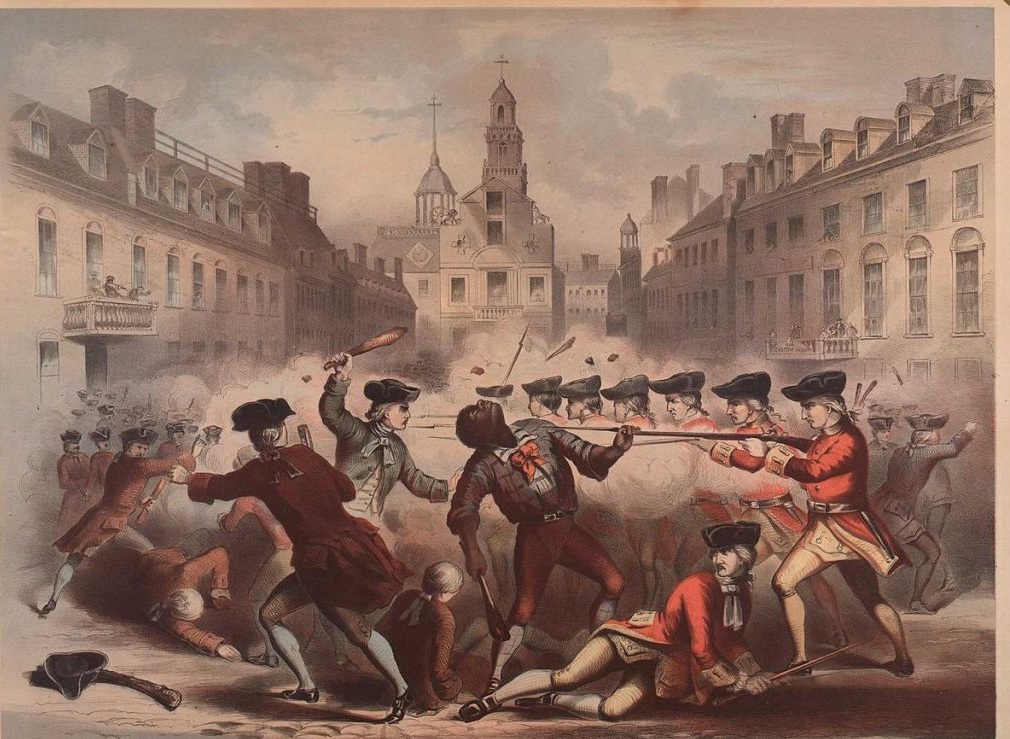
Colonial resistance turned violent in 1770 when British soldiers fired into a crowd of colonists, killing five people. This event became known as the Boston Massacre. In 1773, a group of Bostonians, disguised to hide their identities, boarded British ships and dumped 342 crates of tea into Boston Harbor during the Boston Tea Party. In response, an enraged Parliament passed a series of acts designed to reassert imperial authority in Massachusetts.
In a powerful show of unity, a group of delegates from the colonies, including George Washington, John Adams, Patrick Henry, and others, convened in Philadelphia in September 1774 to air their grievances against the British Crown. While this First Continental Congress didn’t go so far as to demand independence from Great Britain, it did condemn taxation without representation and the presence of the British army in the colonies without their consent. The Congress issued a declaration of rights, asserting that every citizen was entitled to life, liberty, assembly, and a trial by jury. They voted to reconvene in the spring of 1775 to consider further action, but by then, violence had already erupted.
On the night of April 18, 1775, hundreds of British soldiers marched out of Boston toward nearby Concord, Massachusetts, to seize a cache of weapons. Paul Revere and other riders raised the alarm, and colonial militias began mobilizing to intercept the “Redcoats.” The next day, on April 19, local militiamen clashed with the British soldiers in the battles of Lexington and Concord, marking the official beginning of the War for Independence.
The First Battles
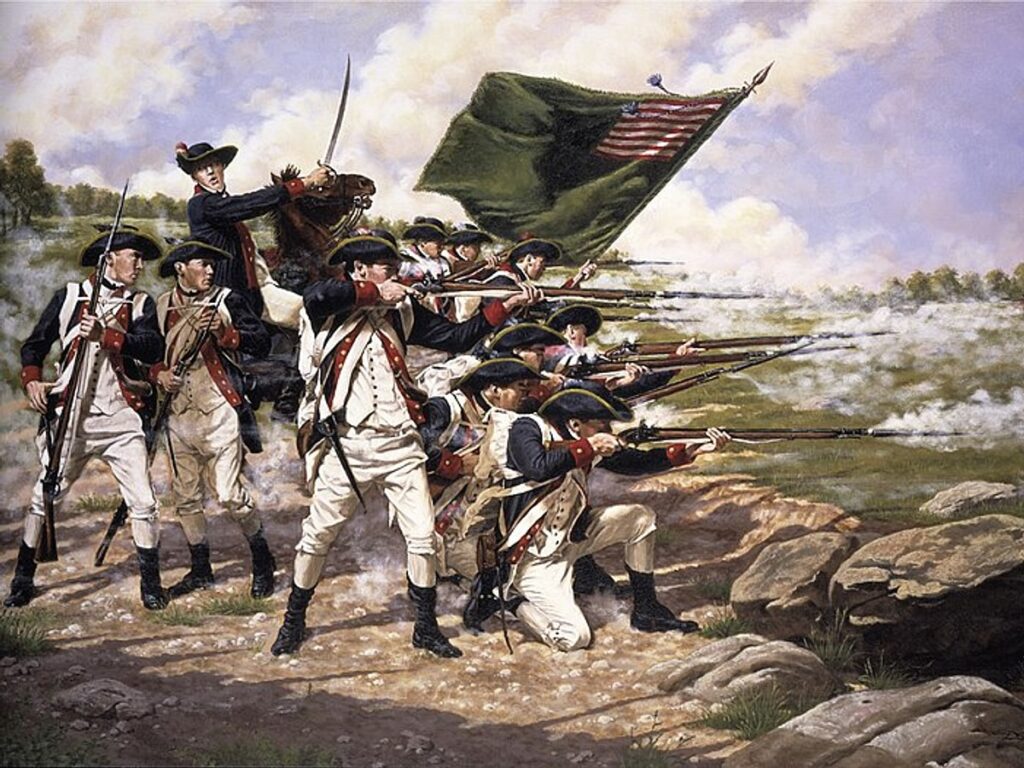
As the Second Continental Congress gathered in Philadelphia, the delegates, including new members, voted to form the Continental Army, with Washington at its head. On June 17, in the first major battle of the war, colonial forces inflicted heavy casualties on General William Howe’s British regiment. This battle, known as the Battle of Bunker Hill, ended in a British victory but galvanized the revolution. Throughout the fall and winter, Washington’s troops struggled to contain the British in Boston, but artillery seized from Fort Ticonderoga in New York helped turn the tide in late winter. The British abandoned the city in March 1776, and Howe and his men retreated to Canada to prepare for a massive invasion of New York.
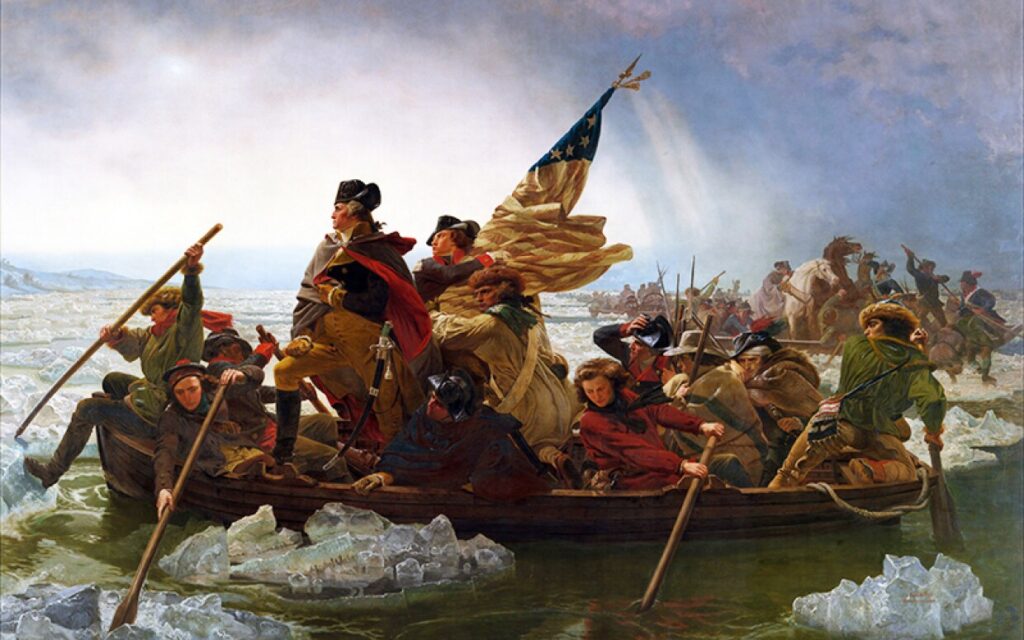
By June 1776, the revolution was in full swing, with more and more colonists advocating for a complete break from Great Britain. On June 4, the Continental Congress voted to adopt the Declaration of Independence, which was drafted by a committee of five men. That same month, determined to crush the rebellion, the British government dispatched a massive fleet and more than 34,000 soldiers to New York. In August, Howe’s troops crushed the Continental Army on Long Island. By September, Washington had no choice but to evacuate his troops from New York City. Pushed back across the Delaware River, Washington’s forces struck back with a surprise attack in Trenton, New Jersey.
A Turning Point
The British strategy for 1777 involved a two-pronged offensive aimed at cutting off New England from the other colonies. To this end, General John Burgoyne’s army moved south from Canada toward a planned rendezvous with Howe’s troops on the Hudson River. In July, Burgoyne’s troops handed the Americans a devastating defeat, recapturing Fort Ticonderoga. However, Howe made a fateful decision to move his troops from New York south to fight Washington’s army in the Chesapeake Bay area instead. On September 11, the British defeated the Americans at Brandywine Creek in Pennsylvania and entered Philadelphia on September 25. Washington rallied from the defeat and launched a strike on Germantown in early October before retreating to Valley Forge.
Howe’s actions left Burgoyne’s army exposed near Saratoga, New York, and the British paid the price on September 19 when American forces under Horatio Gates defeated them in the first battle there. On October 7 at Bemis Heights, Burgoyne surrendered the remainder of his troops. The American victory at Saratoga was a major turning point in the revolution, as it convinced France to openly enter the war on America’s side, though it didn’t officially declare war on Great Britain until June 1778. The American Revolution, which had begun as a civil conflict between Great Britain and its colonies, soon became a global war.
Stalemate in the North and Fights in the South
During the long, brutal winter at Valley Forge, Washington’s troops benefited from the training and discipline instilled in them by the Prussian military officer Baron Friedrich von Steuben. On June 28, 1778, as British troops under Henry Clinton attempted to retreat from Philadelphia to New York, Washington’s army attacked them near Monmouth, New Jersey. The battle effectively ended in a stalemate as the Americans held their ground, but Clinton managed to safely move his army and supplies to New York. On July 8, a French fleet arrived on the Atlantic coast, ready to engage the British. An attack on them in Newport, Rhode Island, in late July failed, and the war in the north settled into a stalemate.
From 1779 to 1781, the Americans suffered a string of setbacks, including the defection of General Benedict Arnold to the British side and the first serious mutinies in the Continental Army. In the South, the British occupied Georgia in early 1779 and captured Charleston, South Carolina, in May 1780. British forces under Lord Charles Cornwallis began an offensive in the region, routing Gates’s American troops at Camden. In December of that year, Nathanael Greene replaced Gates as the American commander in the South. Under his leadership, General Daniel Morgan secured a victory against the British forces.
The War’s End
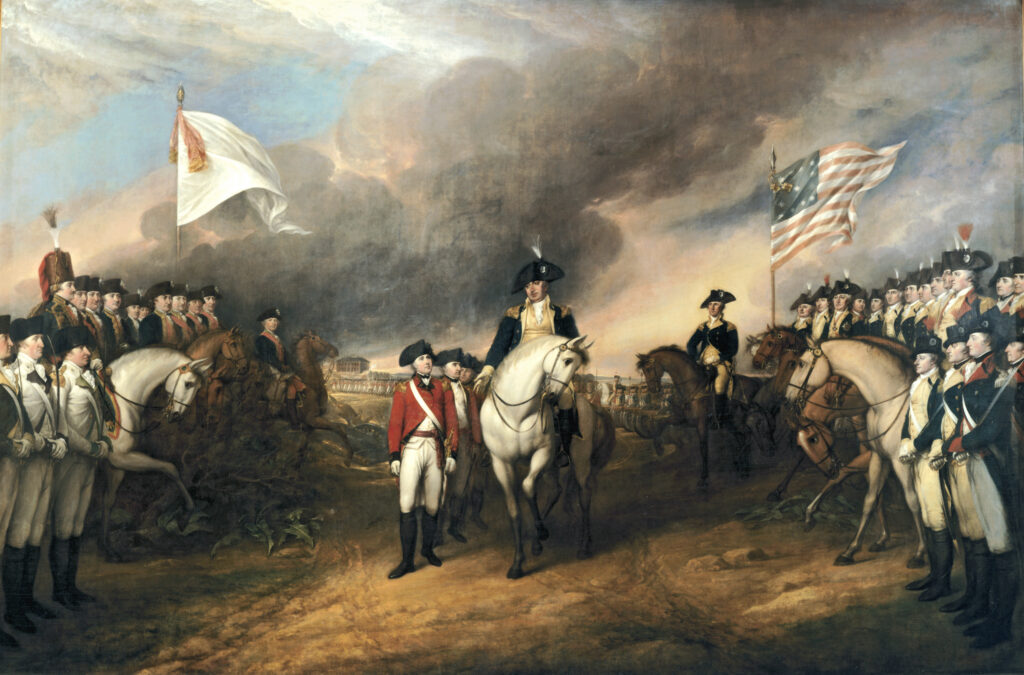
By the fall of 1781, Greene’s American forces had managed to push Cornwallis and his men back to the Yorktown peninsula in Virginia, near the mouth of the York River on the Chesapeake Bay. With the support of the French army, Washington’s force of around 14,000 soldiers moved into Yorktown. Trapped and outnumbered, Cornwallis was forced to surrender his army on October 19. Citing illness, the British general ordered his deputy, Charles O’Hara, to surrender in his place.
Even though the American independence movement had essentially won the war at the Battle of Yorktown, many didn’t consider it a decisive victory. After all, British forces were still stationed around Charleston, and a powerful main army was still in New York. However, neither side took any decisive action for most of the next two years. In late 1782, the withdrawal of British troops from Charleston and Savannah signaled the end of the conflict. In late November of that year, British and American negotiators signed a preliminary peace treaty in Paris, and on September 3, 1783, Great Britain officially signed a separate peace agreement with France and Spain, bringing the American Revolution to a close after long years of fighting.