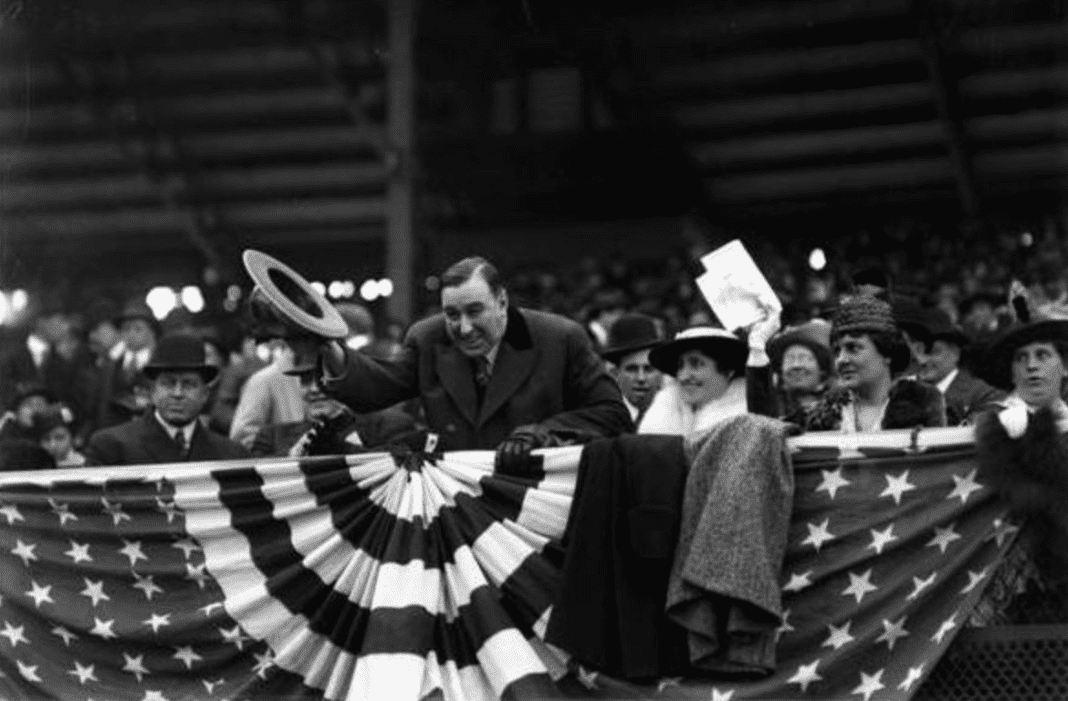

William Hale Thompson was not only known in Chicago, but far beyond its borders. Throughout his political career, he earned a notorious reputation. Historians consider him one of the most unethical mayors in American history, and residents of Chicago regard him as the worst mayor under whose tenure corruption and murders thrived. The root of this infamy lies in his close ties with Al Capone and other gangsters, according to chicago-yes.com.
Early Years
William was born in Boston, Massachusetts, but his family moved to Chicago shortly after his birth. His father was a colonel and a successful businessman. Thompson attended public school in Chicago and later took courses at the Fessenden School and Metropolitan College. Although he planned to enter Yale University, at the age of 14, he moved to Wyoming, where he began working in cattle ranching. By the time he was 21, he had accumulated $30,000 in savings.
In 1892, after his father passed away, Thompson returned to Chicago. He joined the Illinois Athletic Club and the American Athletes’ Club, soon becoming the captain of both the water polo and football teams.
First Steps in Politics and Becoming Mayor of Chicago
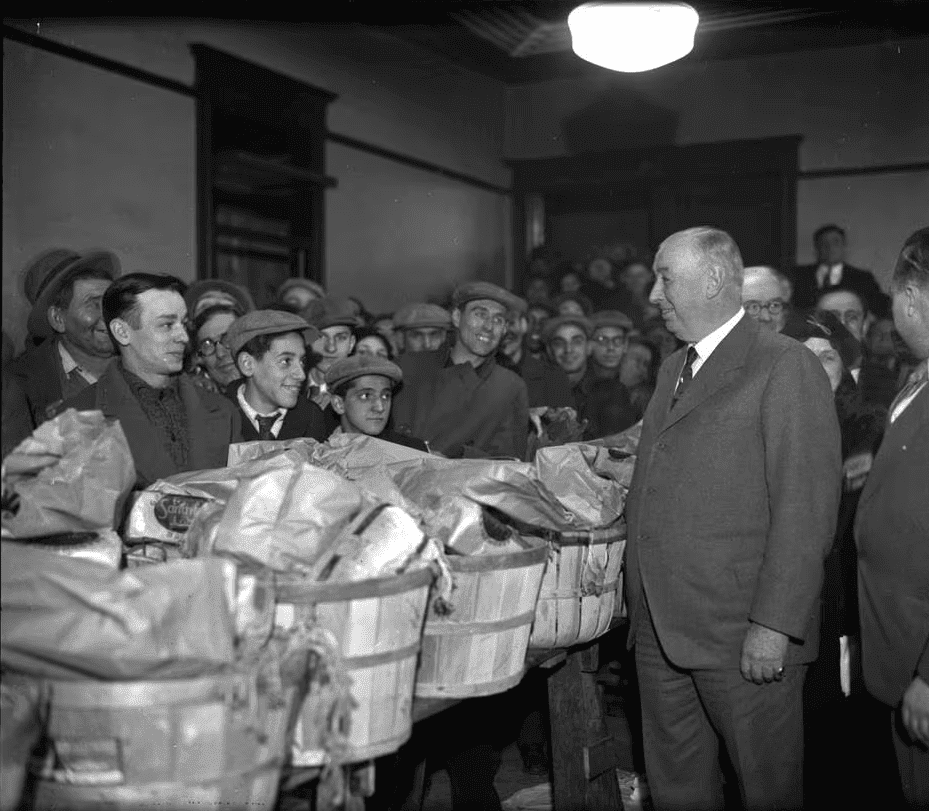
In 1900, Thompson became the alderman for Chicago’s 2nd Ward. From 1902 to 1904, he served as a member of the Cook County Board of Commissioners. During this period, he formed a political alliance with Fredrick Lundin.
Thompson was appointed as the 41st Mayor of Chicago in 1915, when he was 41 years old. In his inaugural address, he pledged to develop the city, fight corruption, and emphasized the importance of public safety overseen by the Chicago Police Department. He also promised to lower gas prices, improve public transportation, and increase jobs in government enterprises.
During the 1920s, gangsters like Johnny Torrio and later his successor, Al Capone, controlled Chicago. Thompson was suspected of collaborating with Torrio and Capone, though no one could prove it. At that time, the police were powerless against organized crime, and bribery and corruption were rampant.
At the start of World War I, Thompson was an ardent supporter of pro-German and anti-British policies, earning him the nickname “Kaiser Bill.” He even organized public book burnings, destroying textbooks removed from public schools.
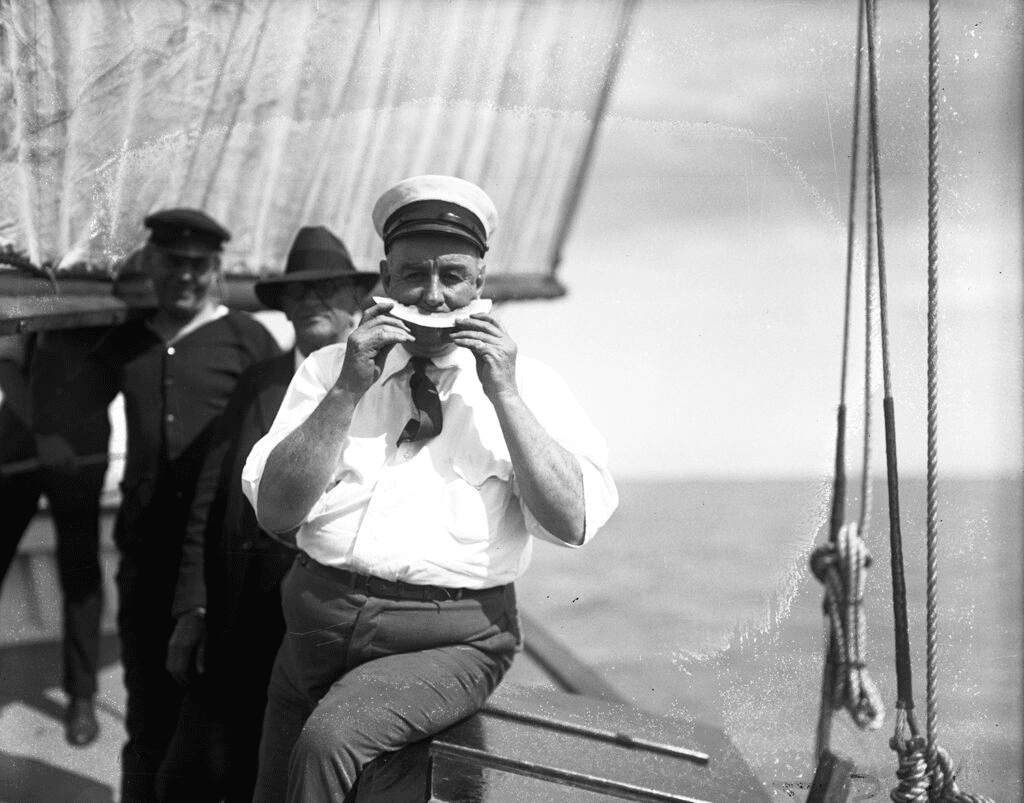
Thompson was very unique. He enjoyed standing out and often engaged in behavior unlike any previous mayor. For instance, he once rode a horse into a city council meeting. In 1923, he stepped down from office and withdrew from the election, ensuring a victory for Democrat William Dever. This was no coincidence. That year, things began to go awry for Thompson. Judges he had supported were not re-elected, his “five-cent fare” bill was rejected, and he lost a lawsuit to the “Tribune” newspaper. Moreover, the state’s attorney opened an investigation into allegations of fraud against him.
In 1927, after the dust had settled, Thompson ran for mayor again. Dever had firmly positioned himself as a law-and-order advocate, strongly enforcing Prohibition. In contrast, Thompson promised to reopen taverns in Chicago, and once again, people believed him.
Upon becoming mayor for the second time, Thompson allowed gangsters to continue running the city unchecked. He completely ignored crime and lawlessness, focusing on his own issues instead. In 1931, he was defeated by Anton Cermak in the mayoral race. In 1936, Thompson ran for governor of Illinois but garnered only 3% of the vote.
On March 19, 1944, William Thompson died at the Blackstone Hotel at the age of 76. At the time of his death, his fortune was estimated at $2.1 million.