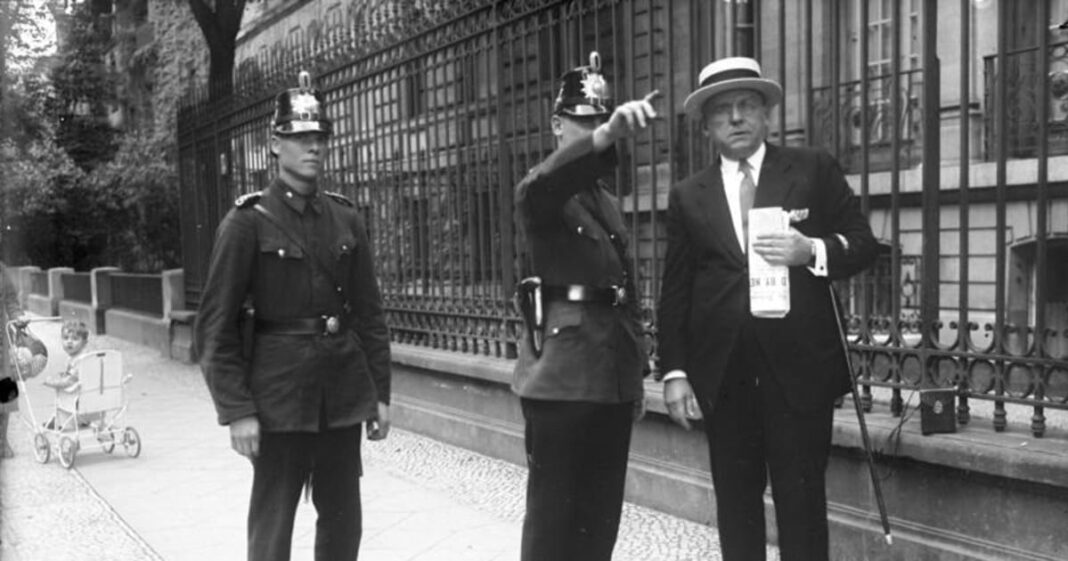

Anton Cermak’s name is forever etched in the memory of Chicagoans. He was the man who led the city toward steady development. His life story reflects not only political achievements but also the struggles and triumphs of immigrants in the early 20th century. The legacy of this former Chicago mayor continues to influence the city’s political landscape, as noted by chicago-yes.com.
A Difficult Childhood
Anton Cermak was born on May 9, 1873, in Kladno, Czech Republic. In 1874, his family immigrated to New York, and shortly after, they moved to Braidwood, Illinois, where Anton spent his childhood. The boy always prioritized his father, and at the age of 12, he followed in his footsteps by working in coal mines. This hard labor instilled a strong work ethic in Anton and gave him a deep understanding of the challenges faced by the working class. The experiences he endured during these years would greatly influence his views on labor rights and social justice, shaping him into a leader who stood up for the needs of ordinary people.
Early Steps in Politics
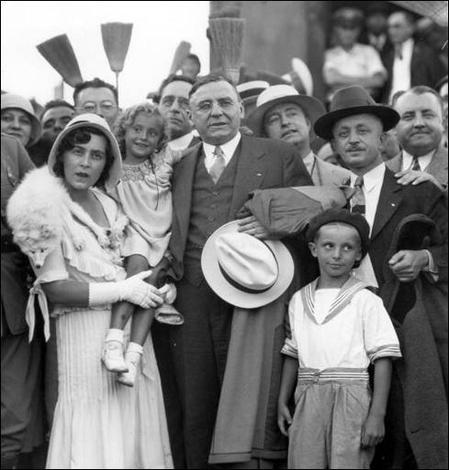
In 1890, Cermak moved to Chicago, marking the beginning of his political career. Initially, he worked as a clerk, and through persistence and ambition, he quickly climbed the political ranks in city government. In 1902, he became the leader of the Democratic Party and was elected to the Illinois State Legislature. Seven years later, Cermak became an alderman on the Chicago City Council. Throughout his time in this position, Anton was known for his unwavering dedication to his constituents. His influence within the Democratic Party also grew, as he established a reputation as a reliable and hardworking politician.
As alderman, Cermak championed workers’ rights, striving to improve working conditions and ensure that workers’ voices were heard and respected. His primary focus was on the development of Chicago and the improvement of its infrastructure.
In 1922, a turning point came in Anton’s career when he was elected president of the Cook County Board of Commissioners. In this role, Cermak implemented policies and initiatives that would shape the future of the county. He also gained a reputation as a strict yet fair leader in local governance. His leadership marked the beginning of a new era in Chicago politics.
Mayor of Chicago
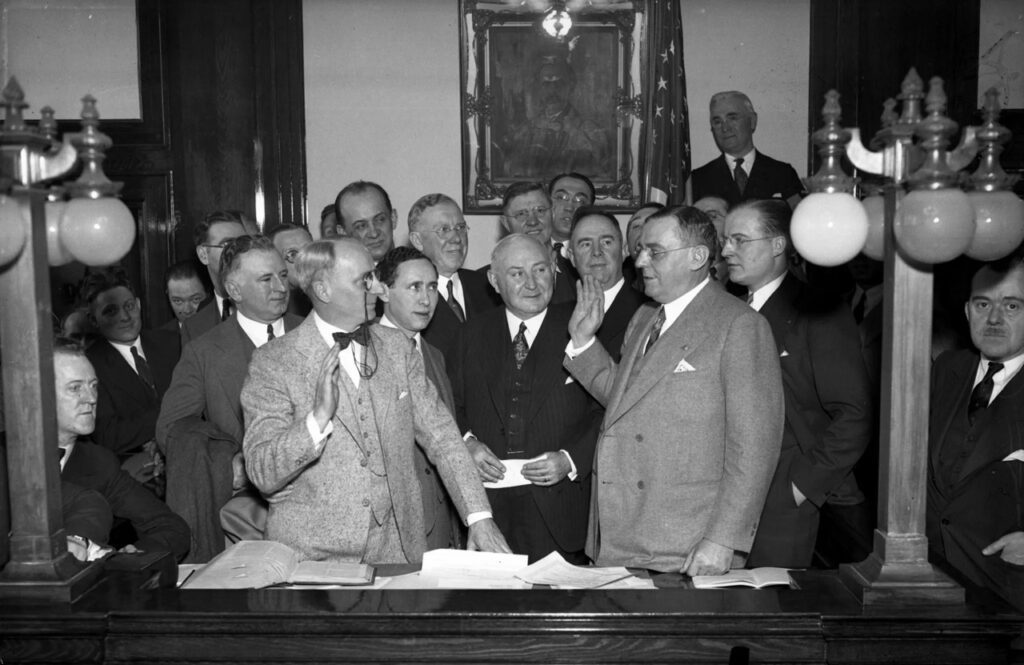
In 1931, Cermak challenged Republican incumbent William H. Thompson for the mayoralty of Chicago. He accused Thompson of collaborating with Al Capone and other city gangsters. In response, Thompson belittled Cermak, calling him a low-class foreigner.
On April 7, 1931, Cermak won the election, defeating Thompson with nearly 200,000 votes. As mayor, Anton battled the effects of the Great Depression, making significant investments in infrastructure projects to create additional jobs. He strongly supported labor unions and advocated for workers’ rights. Additionally, he encouraged citizen participation in local governance. Cermak appointed James Allman as police chief, who served for 30 years and achieved significant success. From 1931 to 1932, Chicago’s murder rate dropped, even as it rose in many other large cities.
Cermak played a pivotal role in helping Franklin D. Roosevelt become president. He campaigned for Roosevelt during the 1932 presidential election and secured 330,000 votes for him in Cook County. The turnout of nearly 40 million voters was the largest in American history at the time.
A Fateful Day
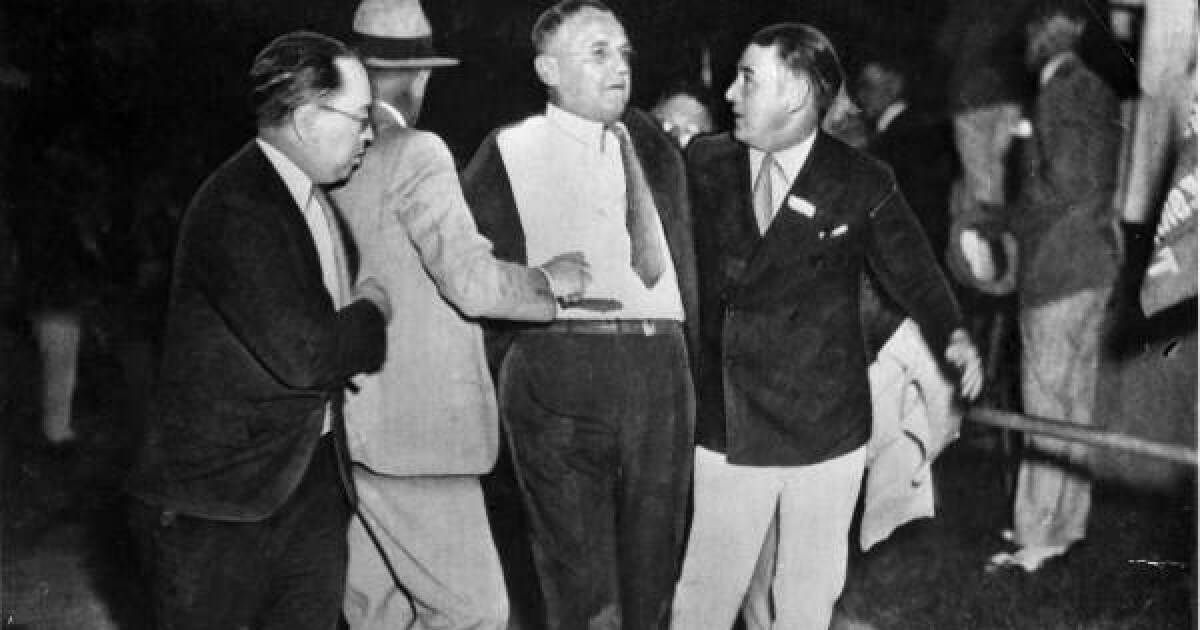
On February 15, 1933, Franklin D. Roosevelt was in Miami, where he planned to meet informally with Chicago Mayor Anton Cermak. At 9:00 PM, Roosevelt arrived at Biscayne Bay Park in his car. Cermak, seeing him, approached and got into the president’s vehicle. They began discussing Chicago’s financial future. As Anton was exiting the car, gunshots rang out. An Italian immigrant, Giuseppe Zangara, had aimed his gun at Roosevelt. Witness Lillian Cross struck Zangara’s arm with her purse, causing him to miss. Zangara fired five more shots, missing Roosevelt but hitting Cermak. The bullet pierced through Anton’s abdomen, and he fell to the ground. He was rushed to Jackson Memorial Hospital, where he underwent surgery. Six days after being wounded, Cermak’s condition improved, and many believed he would soon be released from the hospital and return to his duties. However, fate had other plans. On March 6, 1933, Anton Cermak died of sepsis. An autopsy revealed a perforated colon that had led to peritonitis. His death was a great loss to Chicago and the Democratic Party. Cermak was remembered not only as a good politician but as a man who always helped others.
A Lasting Legacy
The life of former Chicago Mayor Anton Cermak serves as a reminder of the profound impact one person can have on society. From humble beginnings to his tragic end, his journey was filled with lessons of resilience, leadership, and the importance of serving others. In honor of Anton Cermak, who made significant contributions to Chicago’s development, the city named Cermak Road after him, and the transport ship SS A. J. Cermak, launched in 1943, also bears his name.