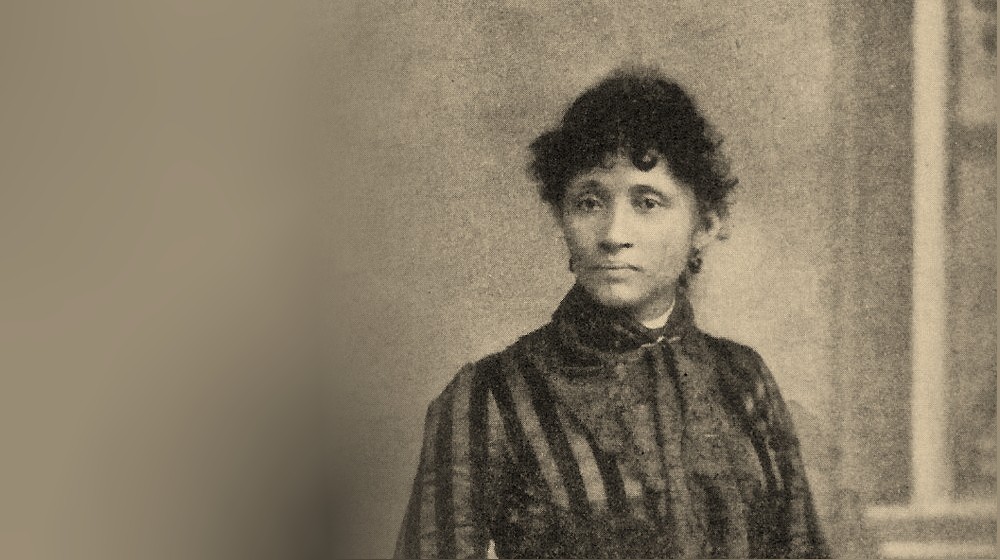

Known for her fierce activism and radical views, Lucy Carter-Parsons was a leading figure in the American anarchist movement. She was a vocal critic of capitalism, a staunch advocate for workers’ rights, and a constant presence at political events. Her story, as reported by chicago-yes.com, is a testament to her unwavering commitment to social justice.
From Slavery to Freedom
Born into slavery in Virginia in 1851, Lucy Lucia Carter-Parsons’ life began under oppressive conditions. Her mother, Charlotte, was also enslaved, and her father was likely a white man named Tolliver. In 1863, Lucy and her family were sent to Waco, Texas, where they finally gained their freedom after the Civil War. At 16, Lucy began a relationship with Oliver Benton, a man 10 years her senior who claimed they were married, although no legal documents confirm this. During their time together, she gave birth to a son, Champ, who tragically died in infancy.
In 1870, Lucy met Albert Parsons, a white newspaper editor and former Confederate soldier. He was a Republican who sought to build a political career, and likely saw an opportunity to gain support from newly freed Black voters. But his political ambitions were short-lived; in 1873, Democrats took control of the Texas legislature. A few weeks after Lucy and Albert married on September 28, 1872, the Texas government outlawed interracial marriage. Fortunately, because their marriage was legally recognized before the law was passed, it was considered valid. Still, as an interracial couple, they became targets of racist violence and fled to Chicago in December 1873.
A New Life and Fight for Workers’ Rights in Chicago
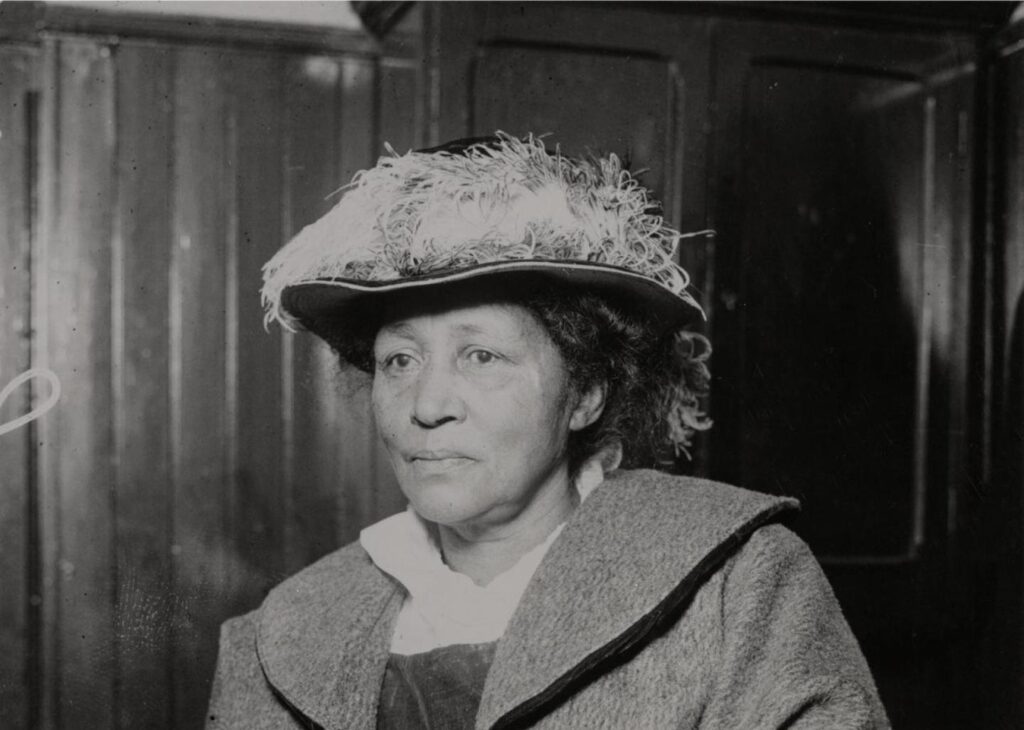
Once in Chicago, Lucy chose to leave her past behind completely. She cut ties with her family and anyone who knew her as an enslaved person. She also changed her name from Lucia to Lucy, and began to actively conceal her racial identity. Rarely venturing into African-American neighborhoods, her lighter skin allowed her to pass as a person of color of Mexican descent, a story she often told others. In their new city, Lucy started a dressmaking business while Albert worked at a newspaper. Many of their new friends were socialists, and the couple soon began speaking at socialist gatherings.
On July 14, 1877, railroad workers in West Virginia went on strike to protest wage cuts. This action sparked a wave of similar protests across the country. On July 23, over 30,000 workers in Chicago joined the strike. Violent clashes erupted between protestors and police, resulting in 30 deaths. Lucy and Albert Parsons witnessed the chaos firsthand, an experience that horrified them and pushed their beliefs further to the left. They eventually embraced anarchism, convinced that the existing political system was incapable of creating a better society and needed to be completely dismantled.
Lucy wasn’t afraid to criticize the excesses of the industrial era, especially since many Chicagoans were still living in poverty. Although she was a vocal opponent of capitalism, she had an affinity for shopping and was always impeccably dressed in the latest fashions.
In 1879, Lucy gave birth to a son, Albert, and a daughter, Lulu, in 1881. Even with a growing family, she continued to thrive as both an entrepreneur and activist. Just months after her daughter’s birth, she joined the Knights of Labor, where she advocated for improved working conditions. She also maintained a successful writing career, contributing to socialist and activist magazines.
In 1884, Albert founded the socialist newspaper The Alarm. Its first issue featured an article by Lucy that urged workers to fight for their rights, specifically by learning to use explosives. The article quickly spread and became popular in anarchist circles. Anarchists at the time believed that violence and destruction could intimidate those in power, inspire the working class, and demonstrate the seriousness of their demands.
On May 4, 1886, the Parsons family was at a workers’ protest in Chicago’s Haymarket Square. Although they were not the organizers, Albert decided to give a speech. Afterward, rain began to fall, and they left for home. After their departure, an unknown person threw a bomb at the police, triggering a riot that killed at least eight people. Police arrested Albert Parsons and six other radical activists, who were later sentenced to death. Despite her husband’s murder conviction, Lucy Parsosns continued to fight for social justice, becoming one of the most prominent voices in the labor movement.
Championing Labor Rights
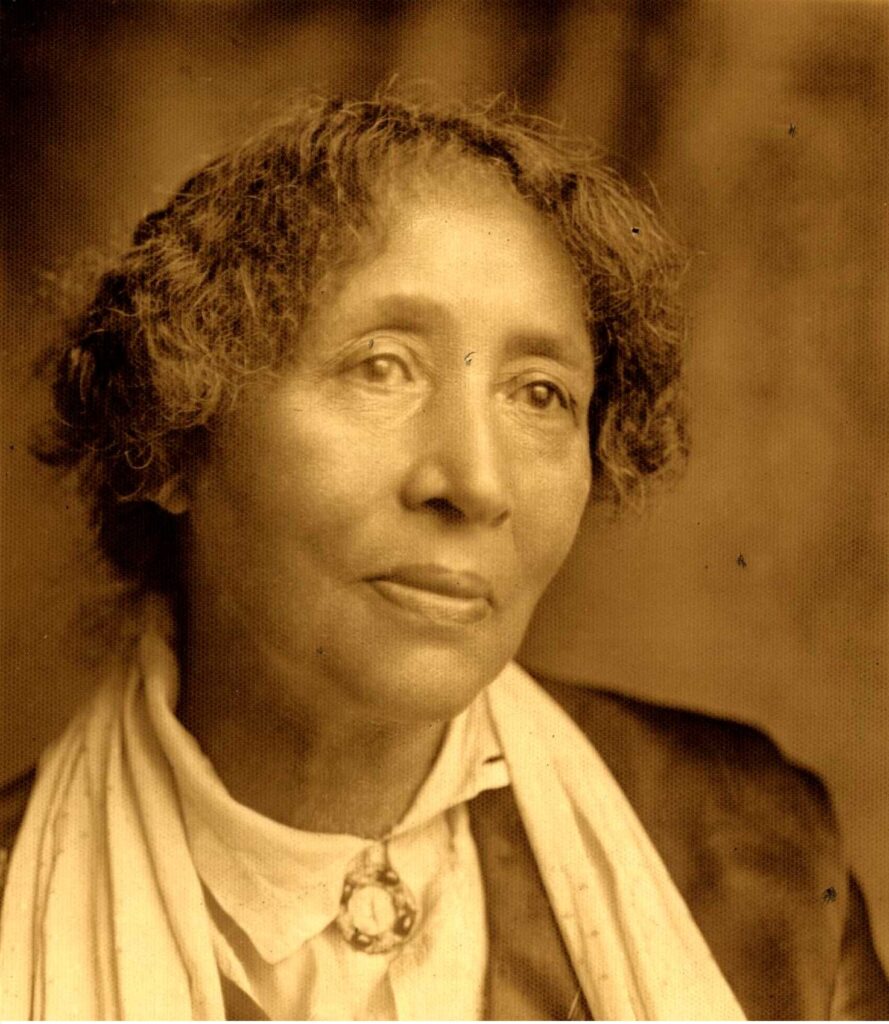
After her husband’s death, Lucy Parsons continued her work with white socialists, becoming one of the most well-known voices in the labor movement. She focused on class struggle rather than issues of racial injustice, as she continued to deny her own origins. In 1889, she published her late husband’s autobiography to spread his views and earn money to support her children. She soon began traveling the country giving public speeches.
In 1889, Lucy faced another devastating loss when her daughter died from a rare illness. In the 1890s, Lucy drifted away from her fellow anarchists. Her affair with a married man drew criticism from within the movement. She also began to doubt the effectiveness of violence. Nevertheless, Parsons continued to speak out publicly on current events. During the Spanish-American War in 1898, she criticized both Spain’s treatment of the Cuban people and American imperialism. Her son, Albert, disagreed with his mother and secretly enlisted. Lucy was furious and convinced the authorities to have him committed to a mental hospital. Albert spent the rest of his life at Elgin Hospital, where he died of tuberculosis in 1919.
In 1905, Parsons helped found the Industrial Workers of the World (IWW). Her activism centered on fighting poverty and unemployment, and she continued to identify as an anarchist. She was involved with some of the most influential radical activists of the early 20th century, even though she often remained on the periphery of their circles. She had an open feud with socialist Eugene Debs, whom she saw as too tied to the political party system, and with fellow anarchist Emma Goldman. Parsons attended the IWW founding convention and the creation of the Syndicalist League of North America, which was led by Communist Party USA member William Foster. She also spent time in the Northwest during IWW free speech campaigns before World War I. After the war, she became an active member of the International Labor Defense, a communist organization that provided services to radicals arrested by the authorities. However, she never joined the Communist Party. In the 1930s, Parsons expressed her deep disappointment with workers who embraced President Franklin Roosevelt’s Democratic Party. She believed that the “New Deal” was an attempt to co-opt working men and women and prevent the inevitable revolution that would overthrow capitalism.
The Final Years
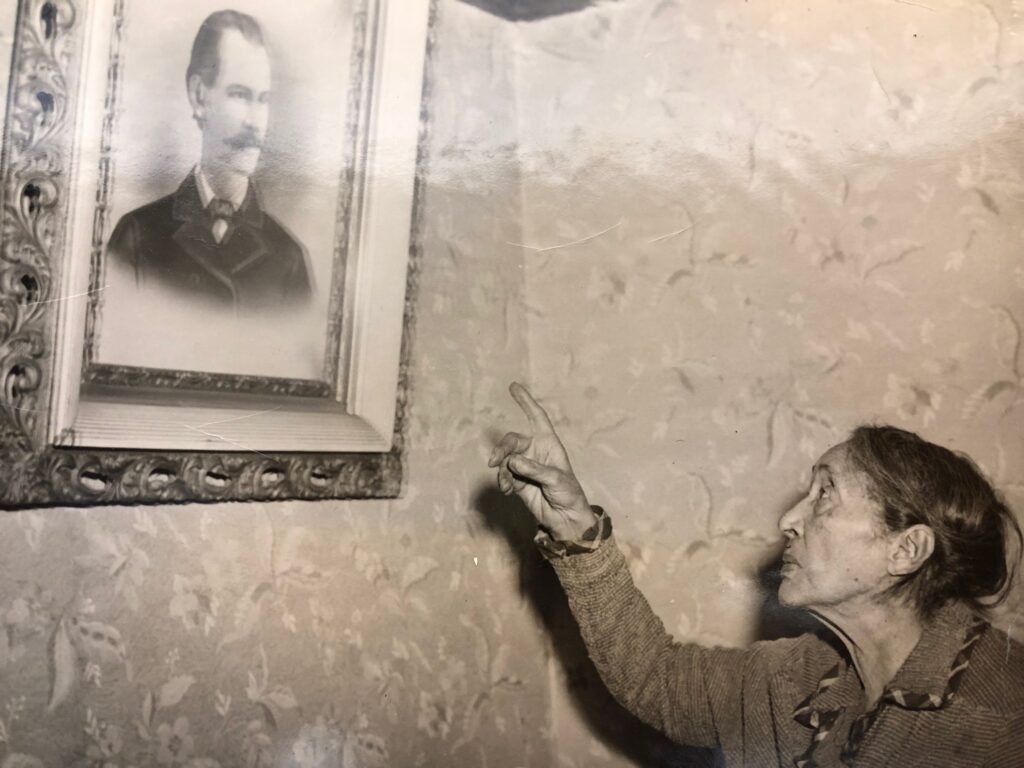
Even in her 80s, Lucy continued to give public lectures on workers’ rights. On March 7, 1942, a fire at her home claimed her life. Her longtime friend, George Markstall, who tried to rescue her, suffered burns and died the next day. Law enforcement, in collaboration with the Federal Bureau of Investigation, confiscated her extensive library on political theory and literature. Lucy was buried at Forest Home Cemetery, west of Chicago, next to her husband and other anarchists.
Lucy Carter-Parsons was a complex woman who left behind a legacy as one of the most formidable radicals in American history.