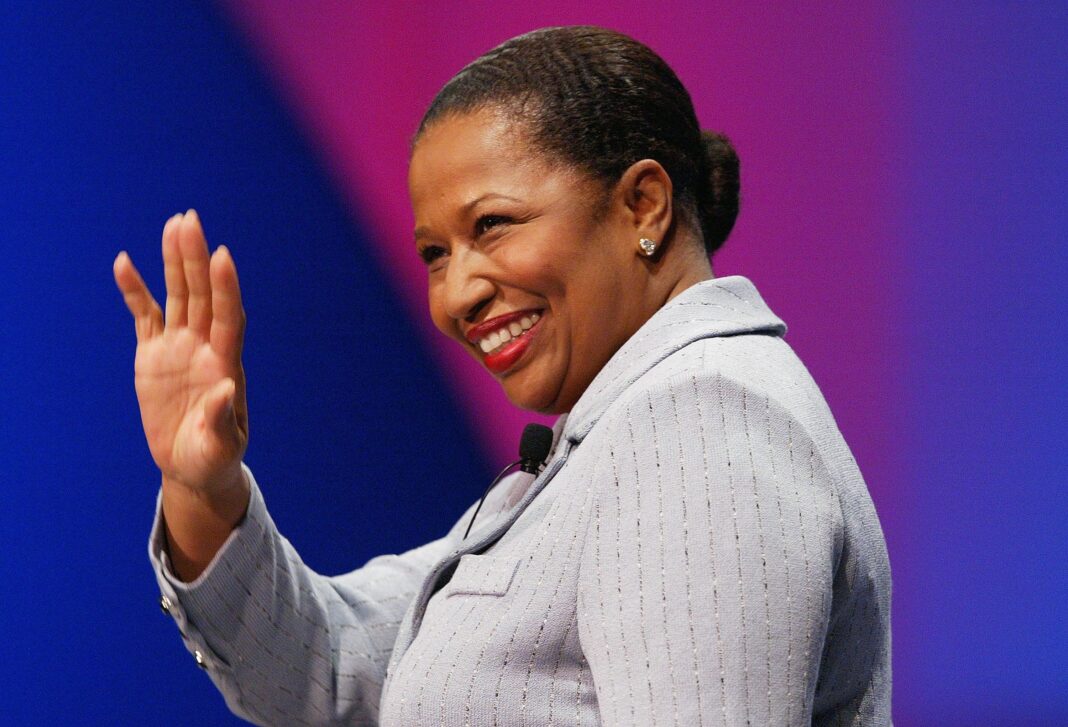

Carol Moseley Braun is an American politician and lawyer who represented Illinois in the U.S. Senate from 1993 to 1999. In doing so, she became the first woman to be elected to the Senate from Illinois. Known for her dedication, integrity, and fairness, she built a brilliant career in politics and earned the trust of the people. Chicago-yes.com takes a closer look at the life and political career of this influential woman.
Early Life and Education
The future politician was born on August 16, 1947, in Chicago to Edna and Joseph Moseley. Her father was a police officer. The family lived in a segregated, middle-class neighborhood on Chicago’s South Side, where Carol spent her entire childhood. When she was a teenager, her parents divorced, and she went to live with her grandmother. After graduating from high school, she enrolled at the University of Illinois and worked at the post office and grocery stores to pay for her tuition. She later went on to the University of Chicago Law School, where she graduated with honors in 1972. In 1973, Carol married Michael Braun, and the couple soon had a son. However, their marriage didn’t last, and they divorced in 1986.
A Successful Lawyer and Politician
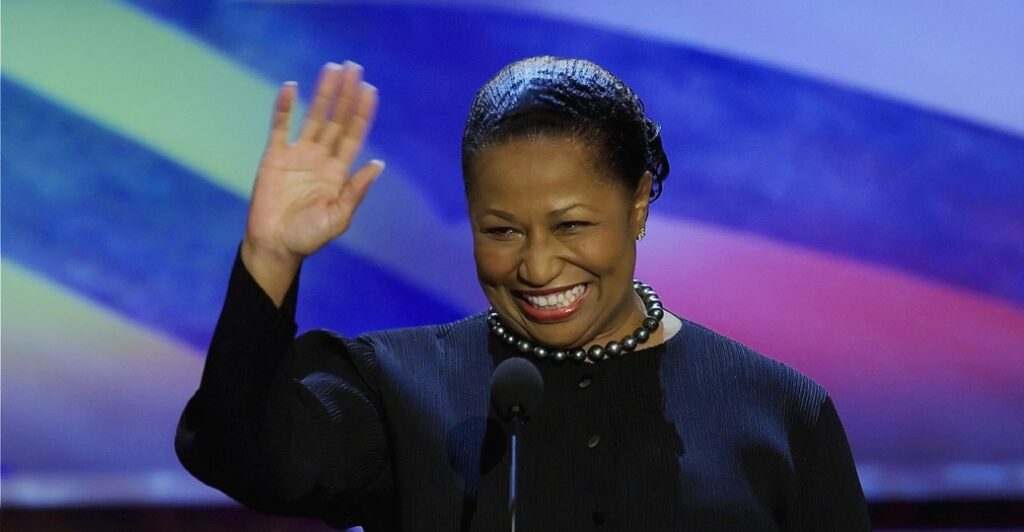
From 1973 to 1977, Moseley Braun worked as a prosecutor in the U.S. Attorney’s office in Chicago. She specialized in civil and appellate law, and her work in housing, public policy, and healthcare earned her a special achievement award from the Attorney General. In 1977, Carol decided to enter politics. In 1978, she was elected to the Illinois House of Representatives as a Democrat. She quickly built a reputation as a champion for social change, educational reform, and effective governance. During her first campaign for the state House, Moseley Braun promised to make education a priority. In 1985, she initiated a law to improve Chicago’s urban schools, which led to the creation of parent councils in every school in the city. After just two terms in the House, Carol Moseley Braun became the first African-American woman in Illinois history to serve as assistant majority leader. As a legislative leader for former Mayor Harold Washington, Carol helped pass bills on education reform and housing discrimination. For her ten years of work in the legislature, she received the “Best Legislator” award from the Independent Precinct Organization.
In 1988, Moseley Braun moved to municipal government, where she was elected Cook County Recorder of Deeds. Her Senate campaign was notably supported by women in Illinois and across the country who were looking for a change following the Senate hearings on sexual harassment allegations against Anita Hill and Clarence Thomas. Once elected, Moseley Braun served on numerous influential committees and continued to actively advocate for social reforms in healthcare, education, and women’s rights.
Milestones in the U.S. Senate
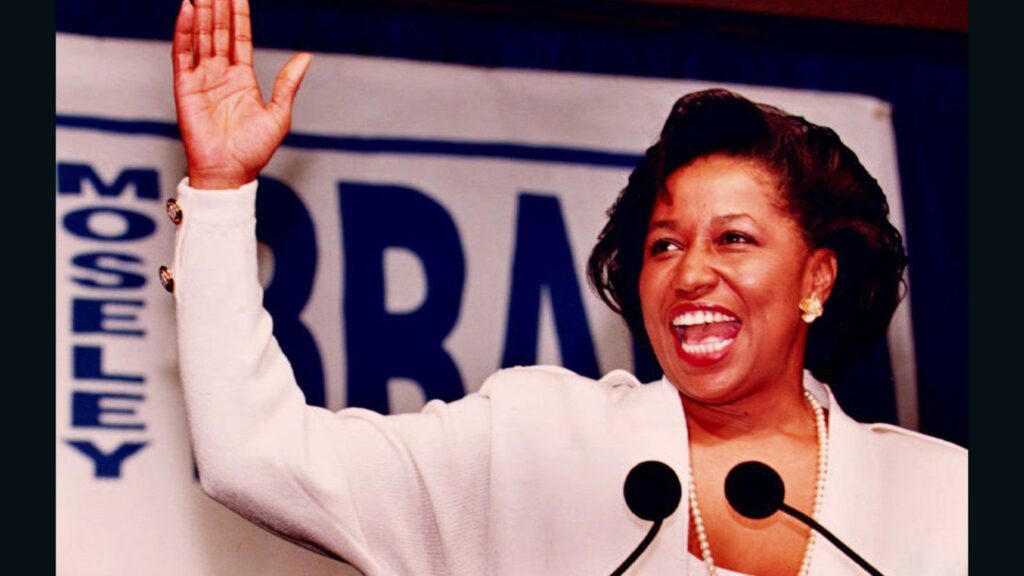
In 1992, Moseley Braun was elected to the U.S. Senate, becoming the second African-American woman to ever serve in the U.S. Senate. Her victory opened up new opportunities for African-Americans. Upon taking office, she was appointed to the Judiciary Committee and the Committee on Banking, Housing, and Urban Affairs. In 1994, she authored the Educational Infrastructure Act, which directed funds to education and to areas most in need among low-income communities. On financial matters, she often took a moderate stance, supporting the North American Free Trade Agreement but voting against significant changes to social security programs.
On social issues, Carol was known for her liberal views. She supported a woman’s right to choose and advocated for stricter gun control laws. Notably, Moseley Braun was one of just 14 senators to vote against the Defense of Marriage Act, which defined marriage as only between a man and a woman. In 1993, Moseley Braun and Senator Barbara Mikulski challenged a rule that women couldn’t wear pants on the Senate floor. That same year, the politician successfully opposed a patent renewal for the United Daughters of the Confederacy because its logo included a Confederate flag. Carol delivered a powerful speech, stating that the flag was a symbol of slavery and had no place in modern society. The Senate agreed and rejected the patent.
A Continuing Career in Politics
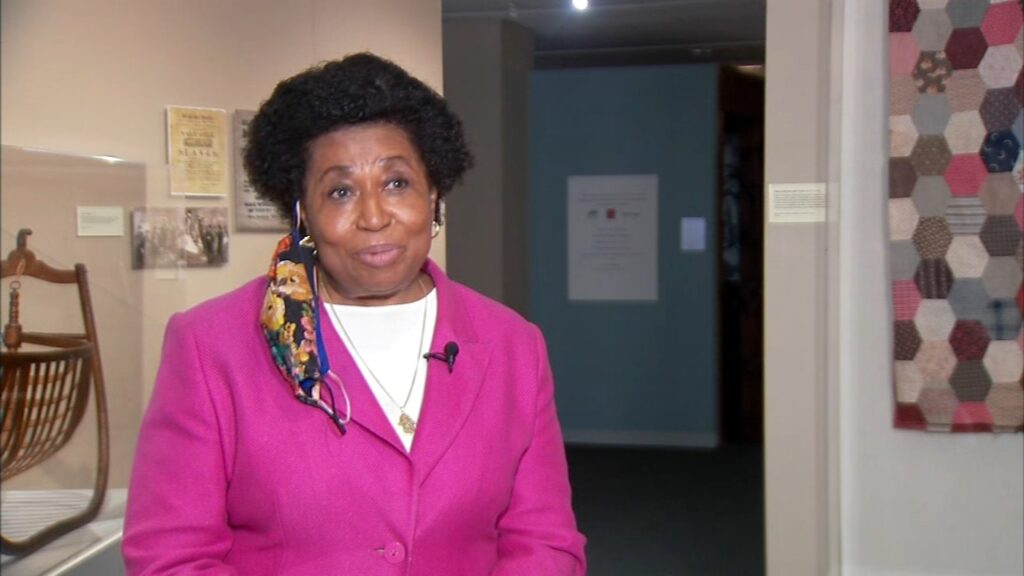
In 1999, former President Bill Clinton appointed Moseley Braun as the United States Ambassador to New Zealand, a position she held until 2001. In 2003, Carol announced her intention to run for president as a Democratic candidate in the 2004 presidential election. Her campaign focused on issues like universal healthcare and discouraging the war in Iraq. However, she was unable to raise the necessary funds and support, and she withdrew her candidacy in January 2004.
Moseley Braun continues to be actively involved in politics. She endorsed Joe Biden in the 2020 presidential election and Kamala Harris in 2024. In 2023, Biden appointed her as the Chair of the U.S. African Development Foundation, an agency that supports economic growth in Africa. The Senate confirmed her appointment, and she began her term as Chair in 2024. In addition to politics, Carol founded an organic food company and worked as a visiting professor at Northwestern University. In 2025, she was elected Chair of the Board of Directors of the DuSable Museum in Chicago.