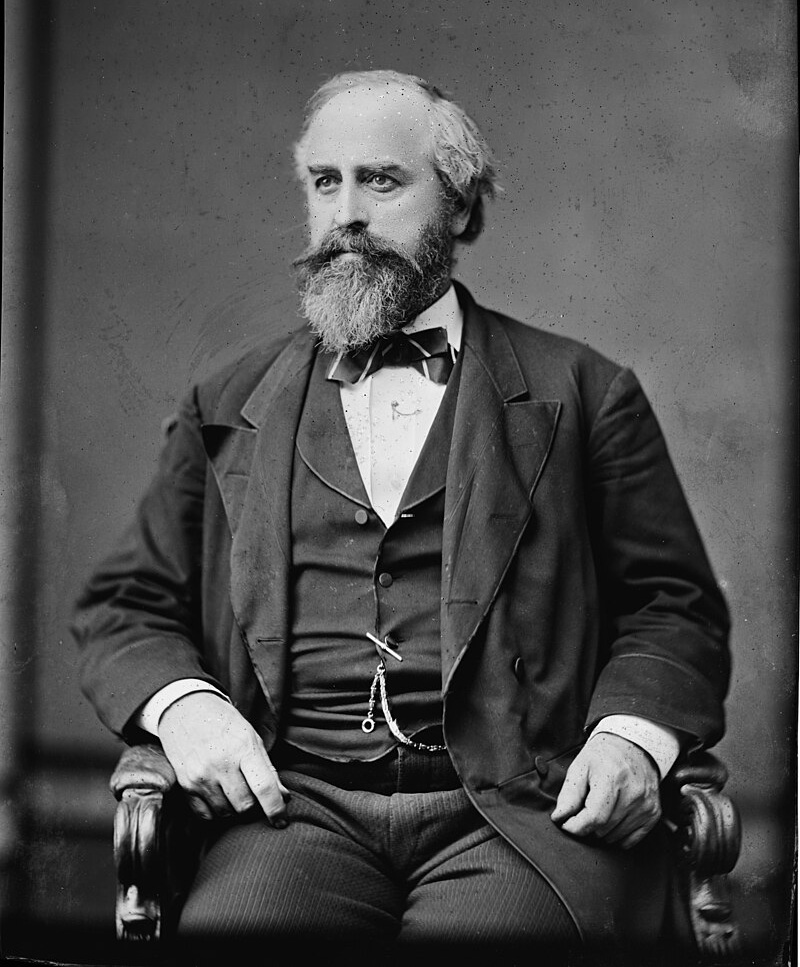

Carter H. Harrison Sr., a prominent and highly respected political figure, left an indelible mark on Chicago. A five-term mayor who served a total of eight years, Harrison was a captivating Democrat with a powerful personality and a loyal following. He was instrumental in shaping the city’s growth, and you can delve deeper into his life and legacy at chicago-yes.com.
Early Life and Education
Born on February 15, 1852, to Carter and Caroline Harrison, the future politician came from a family deeply intertwined with American history and politics. His father served as a clerk of the Virginia Council starting in 1635. Even more notable, Carter’s great-great-grandfather, Benjamin Harrison, was a signer of the Declaration of Independence, and one of his sons, William Henry Harrison, became the ninth U.S. President in 1841.
Harrison spent his childhood in a log cabin in Elk Hill, Kentucky. After his father’s death, he was sent at age 15 to study with Dr. Lewis Marshall, brother of Supreme Court Justice Thomas Marshall. In 1845, Harrison enrolled at Yale University. After graduating, he studied law for a year at Transylvania University in Lexington, Kentucky. However, he decided to return home to manage his family’s large plantations. After a trip to Europe in 1851, he realised city life was his true calling. Returning to the U.S., he completed his legal education. In 1853, Harrison married Sophonisba Preston, and the couple moved first to St. Louis before settling in Chicago.
While Harrison initially planned to open a law firm in Chicago, he instead ventured into real estate. The financial crisis of 1857 hit his business hard, and for the next decade, he struggled to regain his financial footing.
A Career in Congress
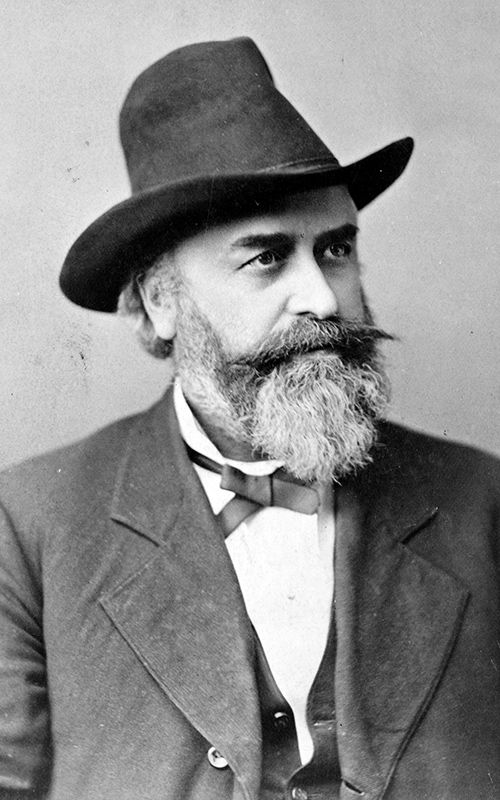
Seeking a change from the struggles of the real estate market, Harrison made an unsuccessful run for a seat in the lower house of the state legislature. However, his fortunes turned after the Great Chicago Fire of 1871. Harrison had supported candidates from both the Democratic and Republican parties, which helped him secure a position as a district commissioner. After serving for three years, he set his sights on Congress once again. In March 1875, he narrowly won the election to become a Democratic representative in the 44th U.S. Congress. His exceptional oratory skills quickly earned him a reputation as a great speaker, and he was re-elected for a second term. His wife died suddenly during his re-election campaign, and Harrison threw himself into his work. He served in Congress until the end of his second term in 1878, then chose not to run for a third, later lamenting that he never fully enjoyed his time there.
Mayor of Chicago: A Legacy of Progress
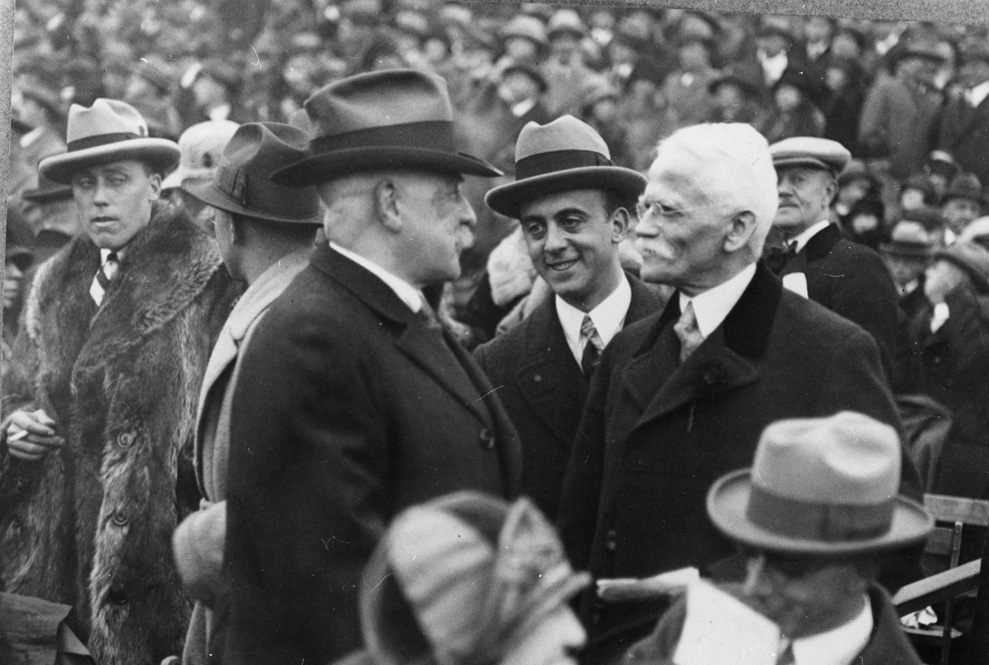
In the spring of 1879, Harrison was elected mayor of Chicago. He would be re-elected to the position four more times, and then again in 1893. His tenure coincided with an era of unprecedented growth for the city. When he arrived in 1855, Chicago’s tax revenue was just over $200,000. By the time of his death, it had skyrocketed to over $15 million.
Harrison was a vocal champion of workers’ rights. As railroads expanded across the city, he constantly fought against railroad companies that tried to exploit their employees. His dedication to the public was also evident during the Haymarket Riot. On the night of March 4, 1886, an unknown person threw a bomb at police officers during a labour protest organised by local members of the Socialist Party. Harrison quickly spoke out against the anti-socialist rhetoric in the media, not only stating that socialists had no sympathy for terrorists but also arguing that they represented America’s working class, thinkers, and writers.
After his fourth term as mayor, Harrison retired from politics. However, he soon decided he wanted to return to public life, and in 1893, he was re-elected to lead the city once more.
During his time as mayor, Harrison was known for his commitment to modernising Chicago’s infrastructure and improving public services. He focused on paving streets and sidewalks, expanding the city’s water supply system, and strengthening the fire department. He also mandated that utility companies lay wires underground in the central business district, which not only improved the city’s aesthetics but also enhanced safety.
Harrison championed the elevation of railroad tracks to eliminate dangerous street-level crossings, a project that took time to fully implement but was a crucial part of his forward-thinking vision. He also worked to regulate fuel burning in locomotives and steamboats to reduce air pollution, a remarkably prescient approach to environmental issues. Furthermore, he challenged the Illinois Central Railroad’s claims to the Lake Michigan shoreline, a legal battle that eventually reached the Supreme Court.
He founded the Carter H. Harrison Democratic Association, which became a powerful political faction within the city’s Democratic Party.
A Tragic and Sudden End
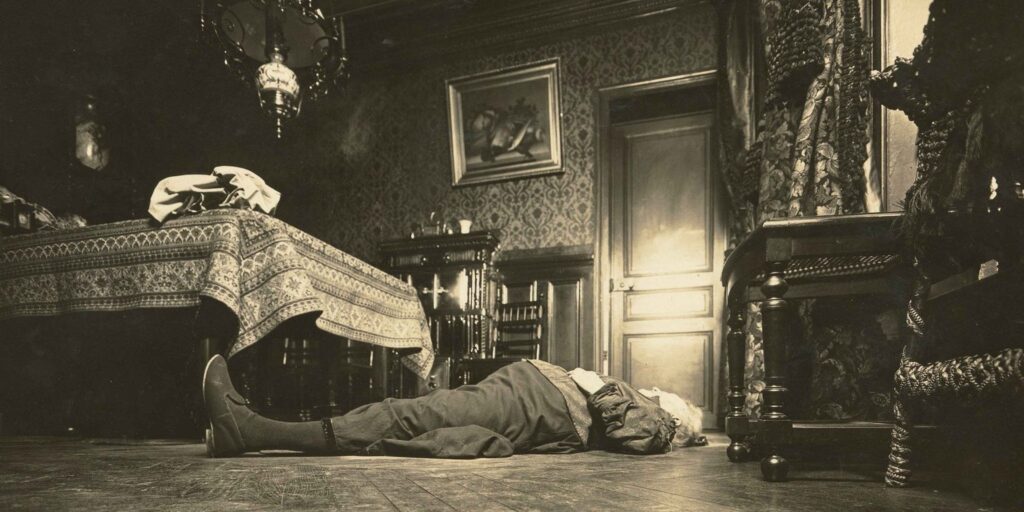
On October 28, 1893, Carter Harrison visited the World’s Fair in Chicago. He returned home at 5 p.m., had dinner, and went to his room to rest. Around 8 p.m., the doorbell rang. His maid, Mary Hansen, answered the door to a short man in his mid-20s with a wrinkled, clean-shaven face. He introduced himself as Patrick Prendergast and said he had an urgent matter to discuss with the mayor.
Mary went to inform the mayor, but to her surprise, Patrick followed her down the hallway instead of waiting on the doorstep. The mayor then emerged from his room, and a brief conversation ensued. Just moments later, three loud shots rang out. A neighbour, Mr. Chalmers, heard the shots and rushed to Harrison’s house. As he approached, he saw the murderer run out with a revolver in his hand. Upon entering the home, Chalmers found the mayor lying in the hallway near his room. An examination revealed that one bullet had pierced his abdomen, another had struck his heart, and a third had gone through his arm.
After the murder, Patrick Prendergast called the police and confessed to the crime. During the investigation, it was revealed that Patrick had worked tirelessly to get Harrison re-elected, and in return, Harrison had promised him a prestigious position, but never followed through. In a fit of rage, Patrick killed the mayor. He was sentenced to death and hanged on July 13, 1894.
Carter Harrison’s legacy is a complex one, marked by both significant achievements and controversy. His assassination shocked the city and the nation, highlighting the political tensions of the time. Despite his tragic end, his contributions to the development of Chicago as a major urban centre are undeniable.