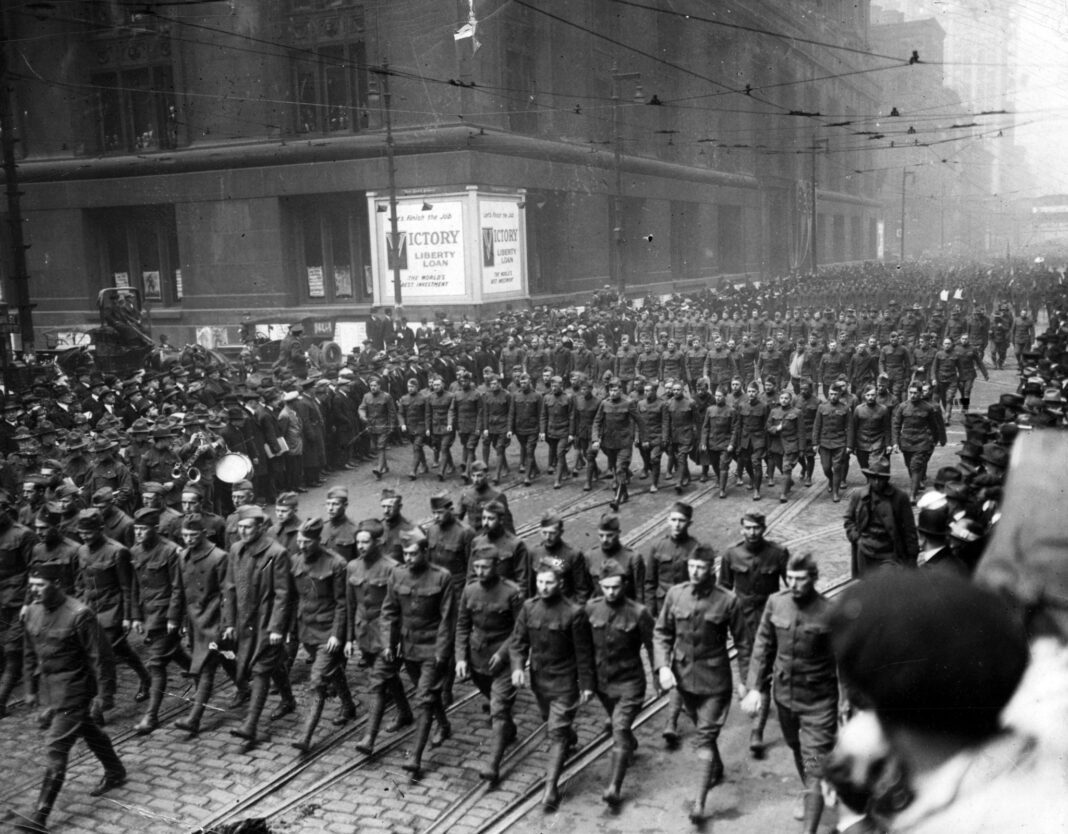

World War I had a profound impact on Chicago. During the conflict, the state of Illinois provided more than 300,000 recruits to the United States armed forces. Several thousand people from Chicago and other cities trained at the officers’ camp at Fort Sheridan and the Great Lakes Naval Training Station, both located north of the city along Lake Michigan, writes chicago-yes.com.
Divided Loyalties
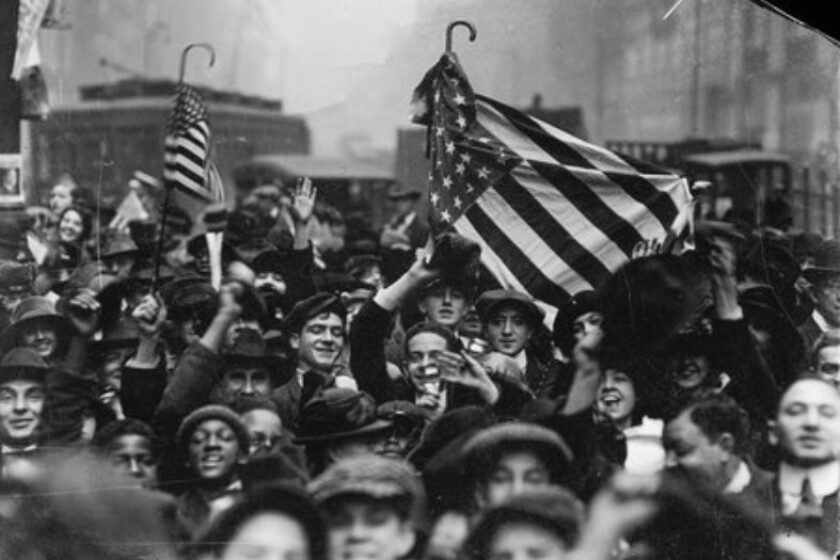
Over 4,000 men and women from Cook County died in the fighting of World War I. The war began in 1914, pitting the Central Powers, led by Germany and Austria-Hungary, against the Allied Powers, led by Great Britain and France. The prolonged conflict claimed the lives of more than 17 million people and left around 20 million wounded.
The United States entered the war in 1917. Most men from Chicago served on the Western Front in France and Belgium, helping the Allies bring an end to the bloody conflict and achieve victory.
The war reshaped Chicago’s ethnic landscape. The city’s large German, Irish, and other communities tended to sympathize with the Central Powers—Germany, Austria-Hungary, Turkey, and Bulgaria—or at least advocated for American neutrality. Chicago’s Germans, the city’s largest immigrant group, fiercely opposed Washington’s growing sympathy for the Entente Powers: Great Britain, France, and Russia. Prominent German Americans in Chicago, such as Oscar Mayer, city planning commission member Charles Wacker, and Chicago Symphony Orchestra conductor Frederick Stock, were staunch opponents of an American alliance with the Entente.
Despite their efforts, German Americans failed to maintain U.S. neutrality. German attacks on American ships and the exposure of a German plot to form an alliance with Mexico—promising the return of territory in the Southwest—silenced many opponents of the war. After the U.S. entered the conflict, German Americans and their culture came under suspicion. Products with German names were rebranded, as were institutions throughout the city.
Changes in Politics
The war also permeated Chicago politics. Then-Mayor William “Big Bill” Thompson tried to appeal to German and Irish voters by advocating for American neutrality, and he sided with Chicago’s anti-war progressives like Jane Addams over pro-war figures like Charles Merriam. After war was declared, he granted permits to anti-war groups like the People’s Council of America for Democracy and Peace to hold meetings in the city. The mayor drew national attention for snubbing a visiting French Marshal, Joseph Joffre, and for his cold reception of Liberty Bond sellers during the first loan drive. Thompson’s questionable patriotism likely contributed to his loss to Congressman Medill McCormick in the 1918 Republican primary for the U.S. Senate. In that same election, future mayor Anton Cermak was defeated in his race for Cook County Sheriff after running on a staunchly anti-German platform in a heavily German-populated county.
Labor and Provisions
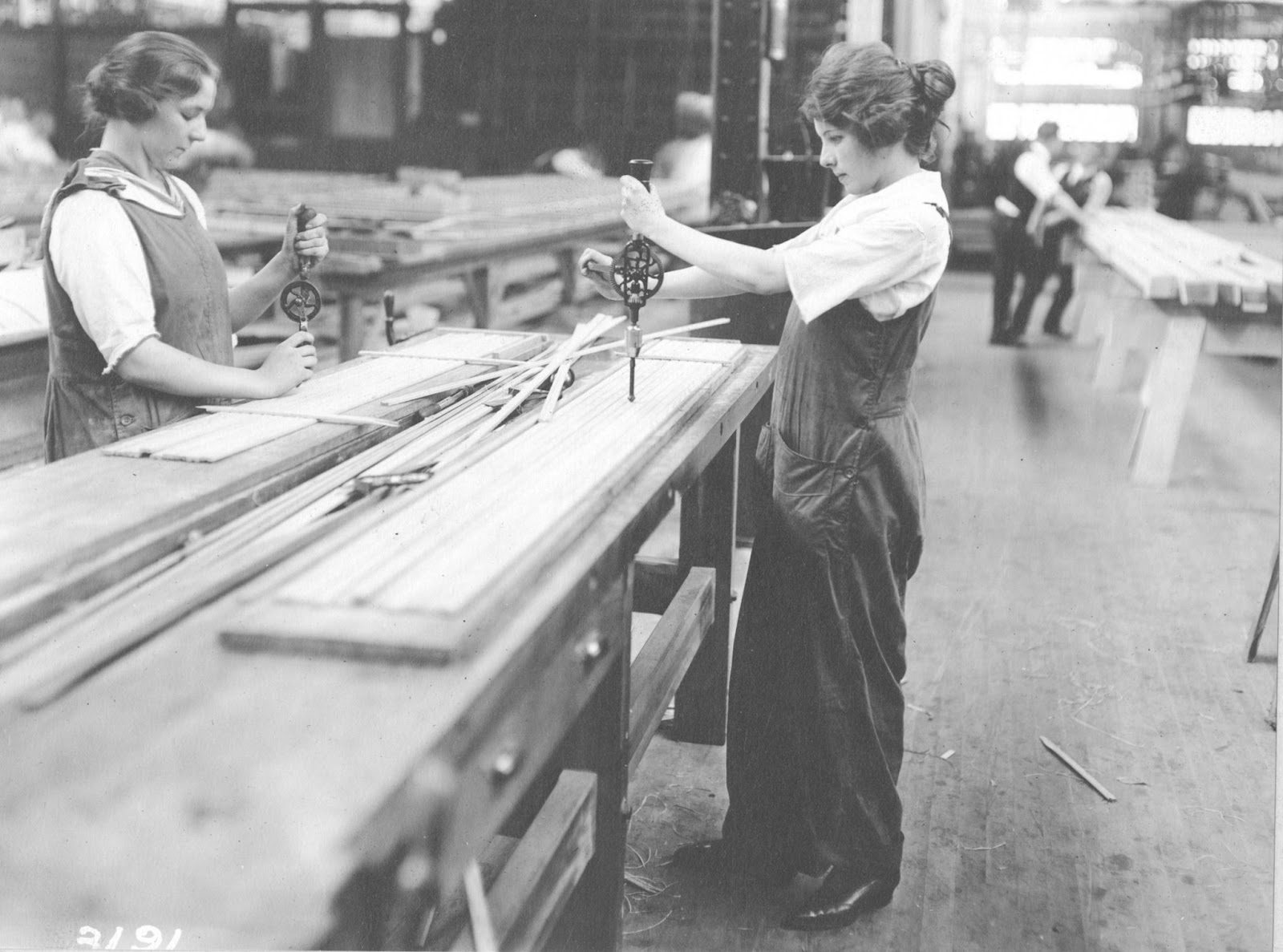
Perhaps the most significant long-term impact of World War I on Chicago was related to economic changes, especially in the labor force. Many Chicago employers turned to women and African Americans, hiring them for jobs previously held by white men. These new opportunities, mostly in heavy industry, spurred the Great Migration of African Americans from the South to Chicago and other northern cities.
Efforts to conserve food during the war also led to restrictions on alcohol sales. In 1918, a law was passed that banned the production of wine and beer.
During World War I, Chicago experienced an economic boom fueled by steel exports to European countries, which propelled the city into a prosperous next decade. By the 1920s, partly thanks to the war, Chicago had transformed into a metropolis filled with new musical genres and ethnic groups. The city quickly established itself as the thriving capital of America’s “inland empire.”
Celebrating a Long-Awaited Victory
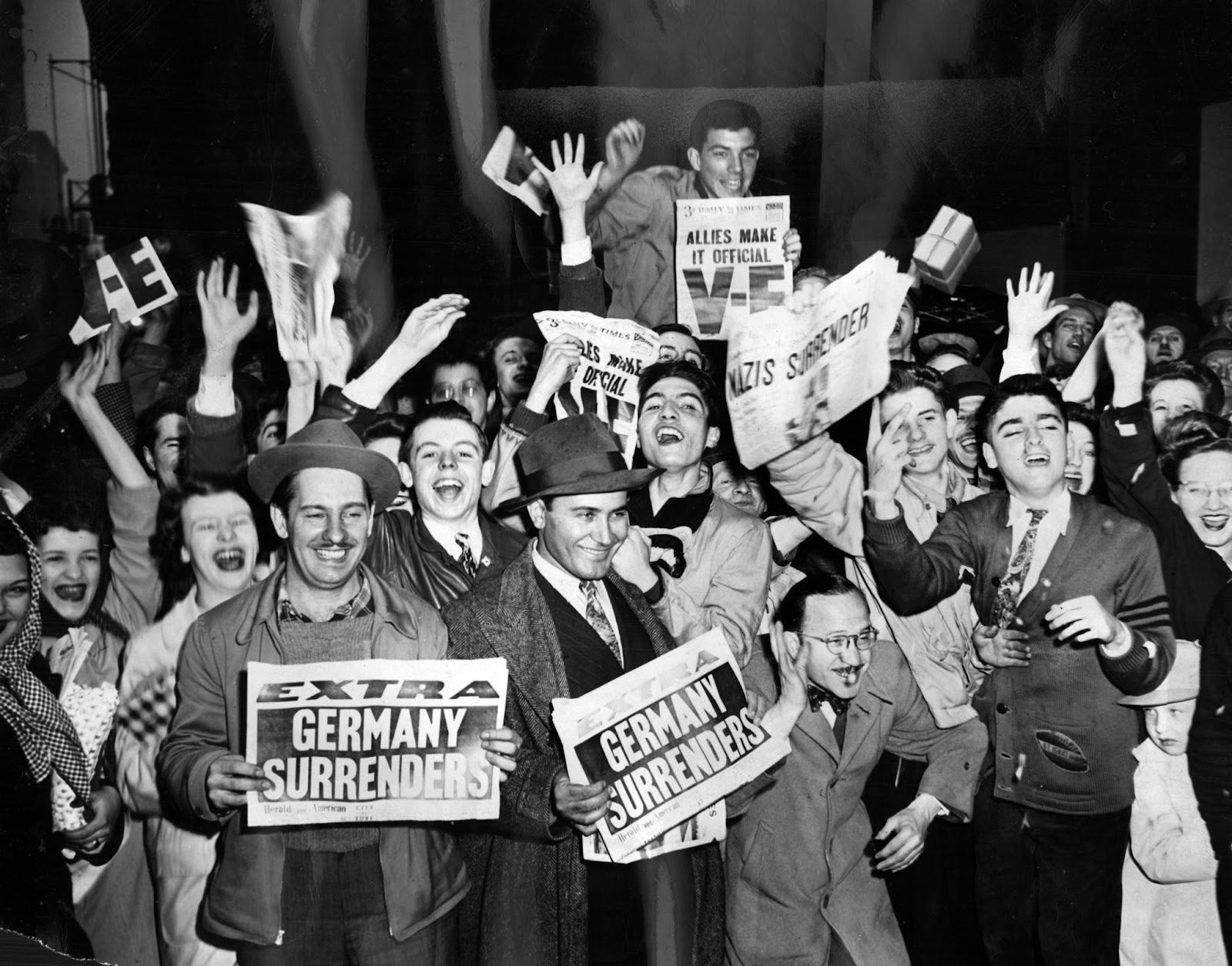
On November 11, 1918, a message reached the newsroom of the Chicago Tribune that the armistice had been signed. The joyful news was first shared with the fire and police departments, who began to spread it across the city. Soon, sirens wailed throughout Chicago, and police officers walked the streets, shouting that the war was over. Early on the morning of November 12, a crowd began to gather in the Loop. People banged drums, blew horns, whistled, shook rattles, and fired guns into the air. Train whistles shrieked nonstop.
Parades and mock funeral processions for the exiled German Kaiser took place all over the city. In the Federal Building, the Commonwealth Edison company orchestra led a parade through the entire building, ending in a courtroom where everyone, including the judge, cleared the furniture and turned the space into a dance floor. The victory celebration lasted all day and night, finally ending at 1:30 a.m. on Tuesday when the police department enforced a curfew until 7:00 a.m.