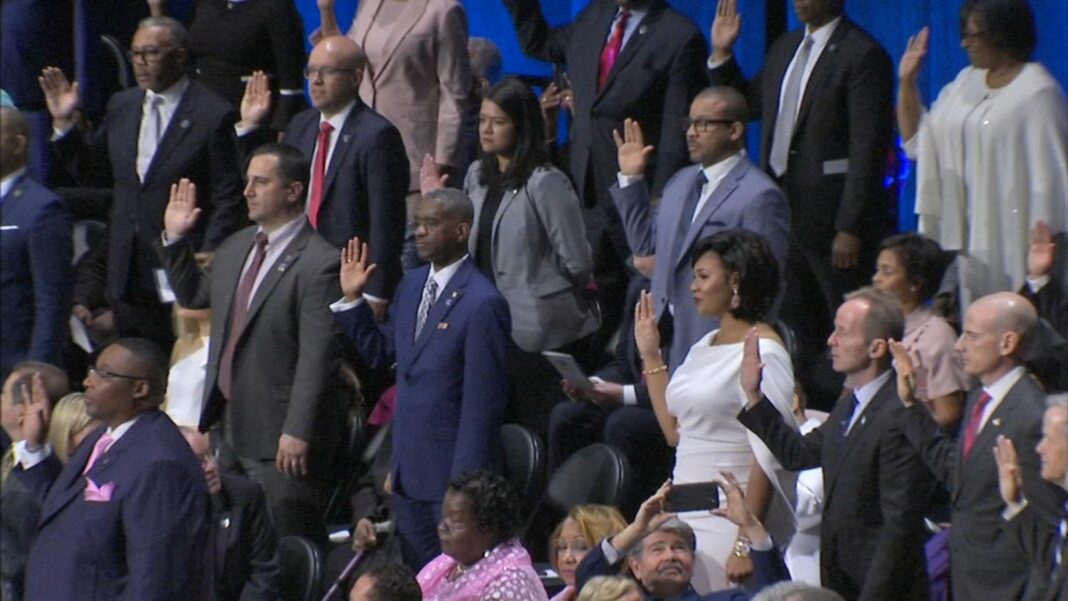

Corruption has been a recurring issue in Illinois and Chicago politics since the time of President Lyndon Johnson. Despite efforts to combat it, Illinois remains a state with a notorious history of corruption schemes, as reported by chicago-yes.com.
The Case of Illinois Governor George Ryan
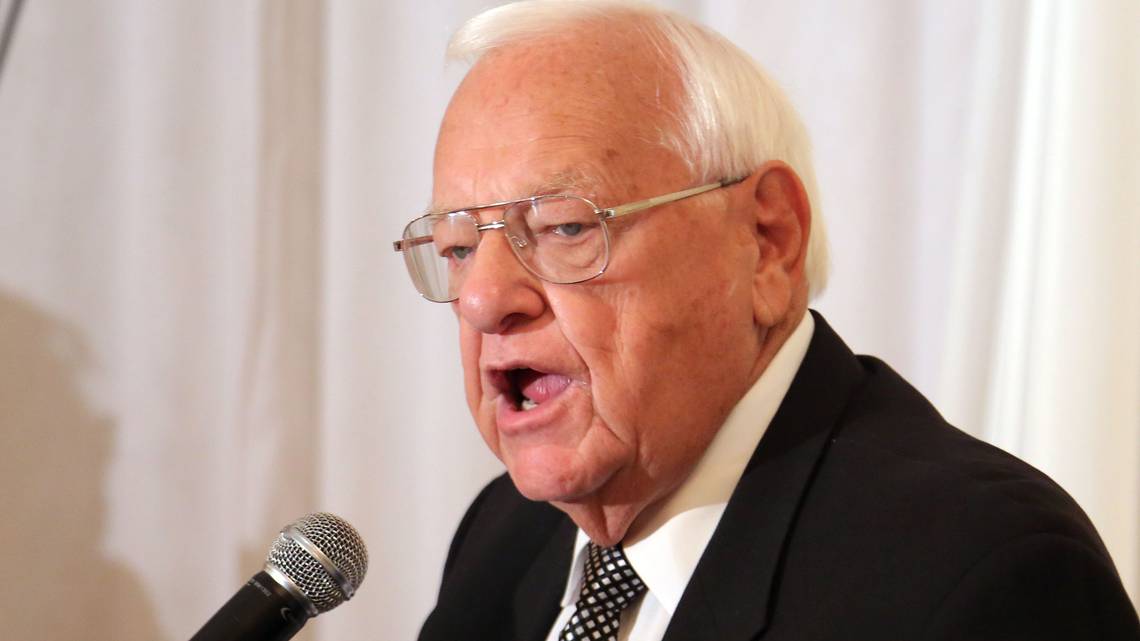
George Ryan, a prominent figure in Illinois politics, was a member of the Republican Party who held positions as Secretary of State and Governor of Illinois. While known for his reformist stance, Ryan’s tenure as governor is remembered for controversies and corruption.
In 2003, Ryan faced federal corruption charges, including bribery, racketeering, and fraud. He was accused of using his office to make deals and issue licenses in exchange for money and gifts. When the criminal investigation began, Ryan was left with no choice but to plead guilty, resulting in a sentence of six and a half years in federal prison.
Ryan’s corruption not only tarnished his reputation but also highlighted the need for political reforms in Illinois. His case opened the door to uncovering other major corruption scandals, including that of his successor, Rod Blagojevich.
The Pay-to-Play Scandal
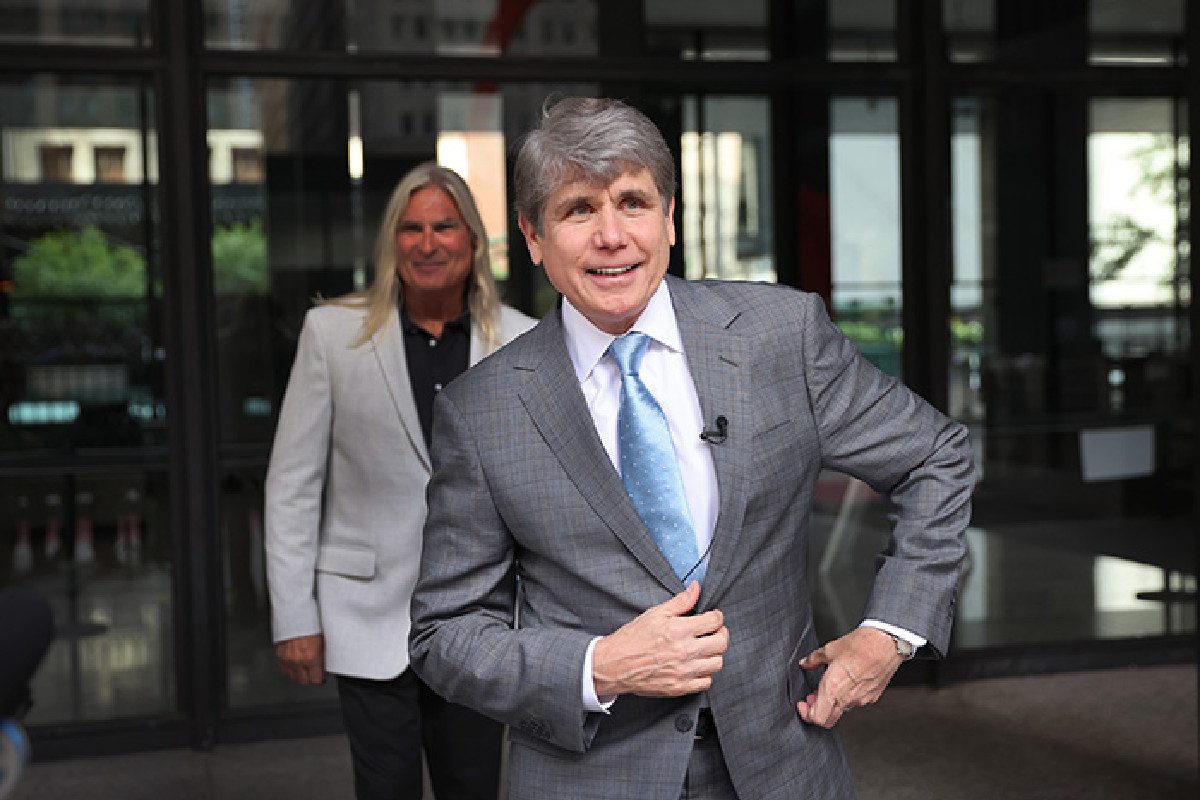
Rod Blagojevich, a Democrat, served as the 40th Governor of Illinois from 2003 until 2009. Known for his combative style and brazen personality, Blagojevich found himself embroiled in a national scandal.
Following Barack Obama’s election as President in 2008, Blagojevich attempted to sell the vacant U.S. Senate seat previously held by Obama to the highest bidder. This led to federal charges of fraud and attempted bribery. Blagojevich was convicted on multiple counts and sentenced to 14 years in prison.
This scandal had significant implications for Illinois politics, once again underscoring the pervasive corruption in the state and shaking public trust in the government. On a national level, Blagojevich’s fall was seen as a damaging blow to the Democratic Party, as he had been considered a rising star with presidential ambitions.
Corruption Among Chicago Mayors
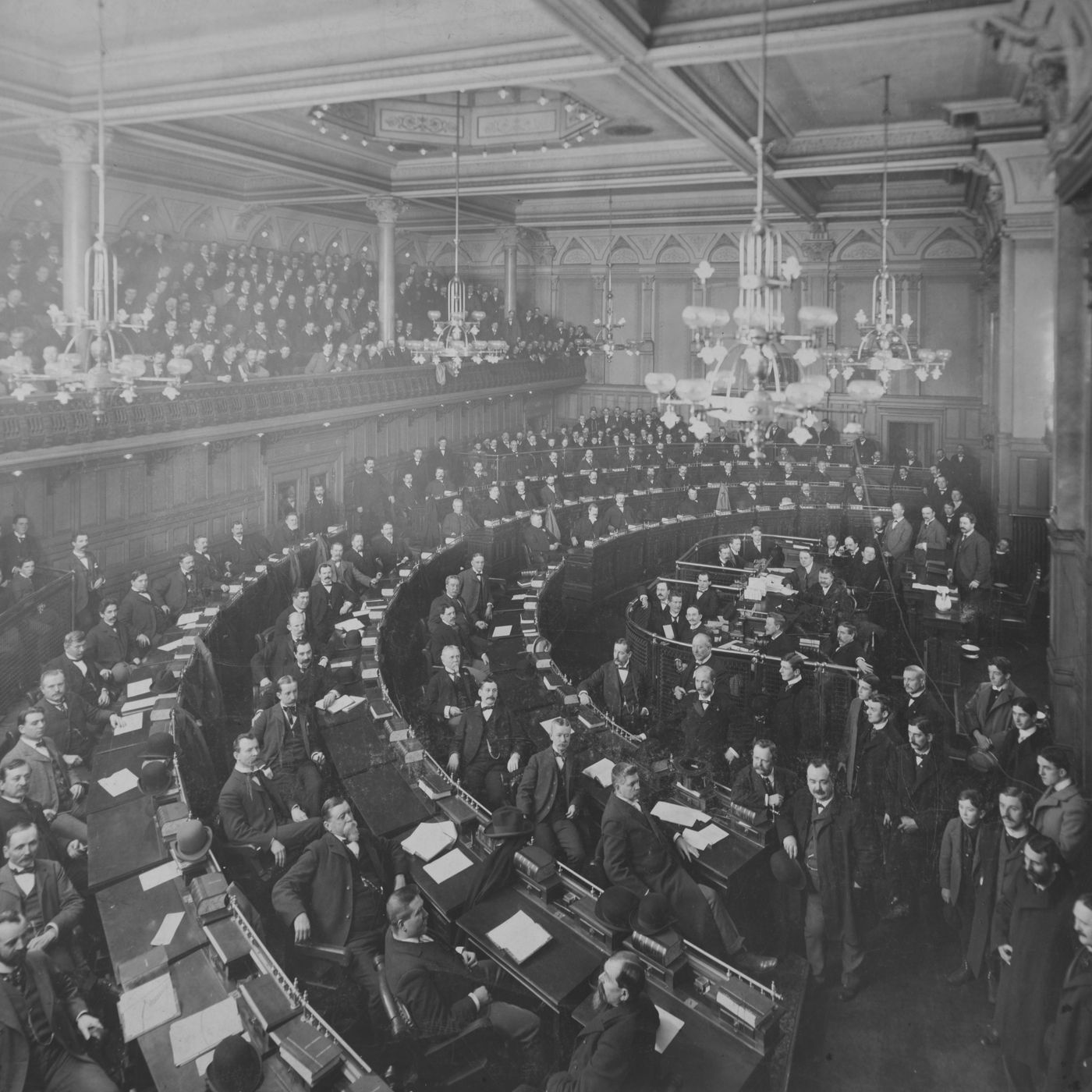
The issue of corruption in Chicago’s leadership is not limited to governors. Richard J. Daley, who served as mayor of Chicago from 1955 to 1976, was known for his strong-arm tactics and tight control. His political organization, the “Daley Machine,” was infamous for its ability to deliver votes and maintain power while managing city departments and council meetings.
Richard M. Daley, elected as mayor in 1989, faced numerous controversies during his tenure, including allegations of police brutality, corruption, and cronyism. His administration was also criticized for privatizing city services and mishandling Chicago’s public schools.
Multiple Chicago mayors have faced legal challenges related to tax evasion. Harold Washington, the city’s first African American mayor, was investigated for failing to pay taxes on consulting fees before his term. Richard M. Daley was also scrutinized for tax-related charges connected to his business dealings.
Corruption in Chicago’s City Council
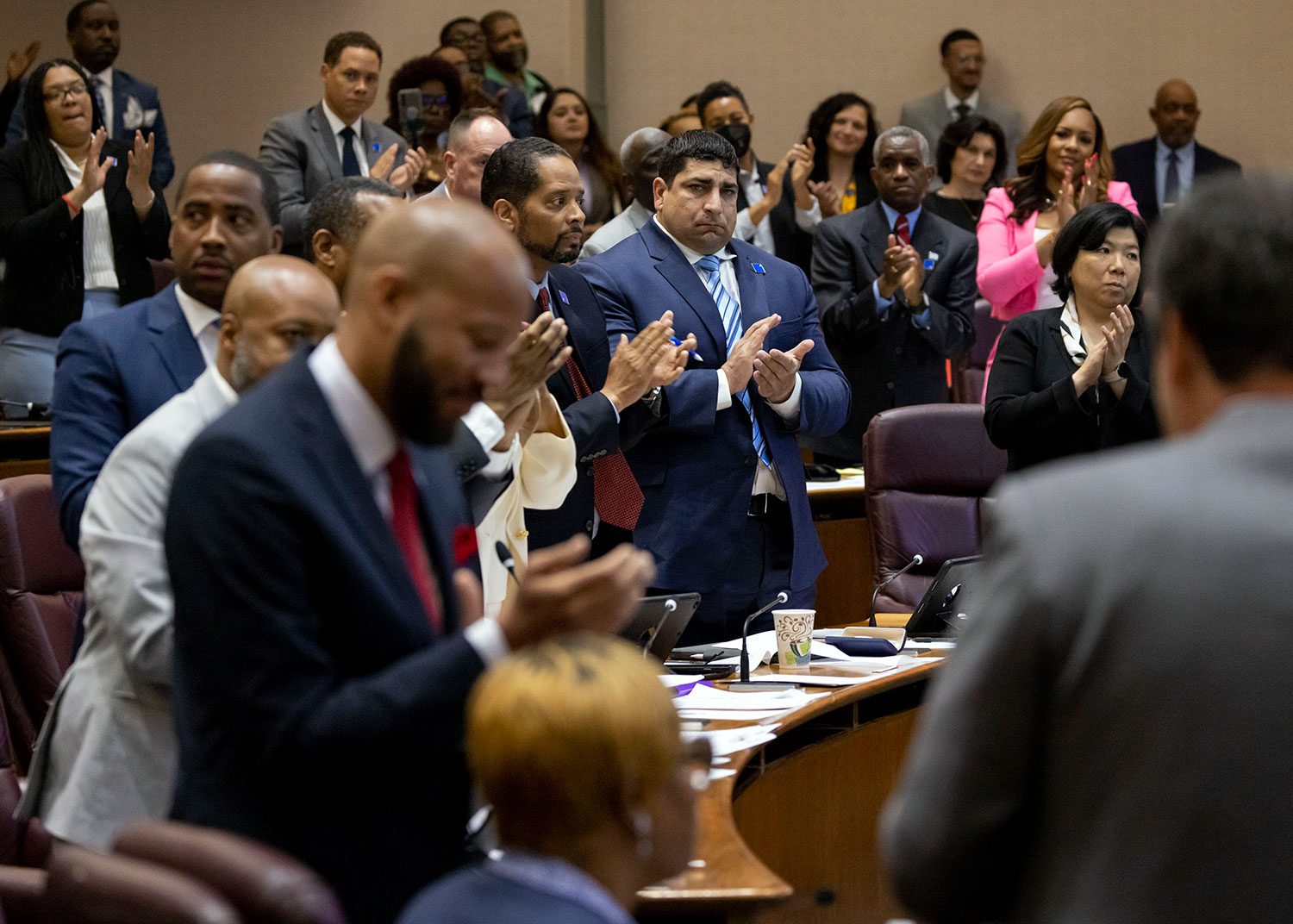
Chicago’s City Council has a long history of corruption, going back to the days of John Coughlin and Michael Kenna in the early 20th century. In recent decades, several aldermen have faced investigations and convictions for corruption, including bribery and extortion.
Efforts to reform the City Council in recent years have focused on increasing transparency and accountability, including calls for:
- Term limits for aldermen
- The creation of an independent inspector general
- The elimination of aldermanic privilege, which gives aldermen control over local development projects
Corruption often infiltrated council meetings, where some politicians sought personal gain by accepting bribes from developers. One high-profile example is the case of Edward Vrdolyak, who was sentenced to 10 months in prison for his role in a scheme to defraud a developer in the Gold Coast neighborhood.
Federal grand juries in Chicago have played a critical role in exposing corruption and prosecuting those involved. Their ability to compel witnesses and issue indictments makes them a powerful tool in the fight against corruption.
Efforts to Root Out Political Corruption in Chicago
Despite Chicago’s long-standing reputation for corruption, recent years have seen significant progress in combating the issue. Efforts have included the establishment of an independent ethics board, strict financial disclosure requirements, and the use of technology to monitor public spending and prevent fraud.
The media has also played a vital role in exposing political corruption and raising public awareness. Investigative reporters from Illinois-based newspapers such as the Chicago Tribune and the Sun-Times have uncovered numerous corruption scandals, including those involving former governor George Ryan.
While the fight against political corruption in Illinois and Chicago is far from over, these efforts mark an important step toward creating a more transparent and accountable government.