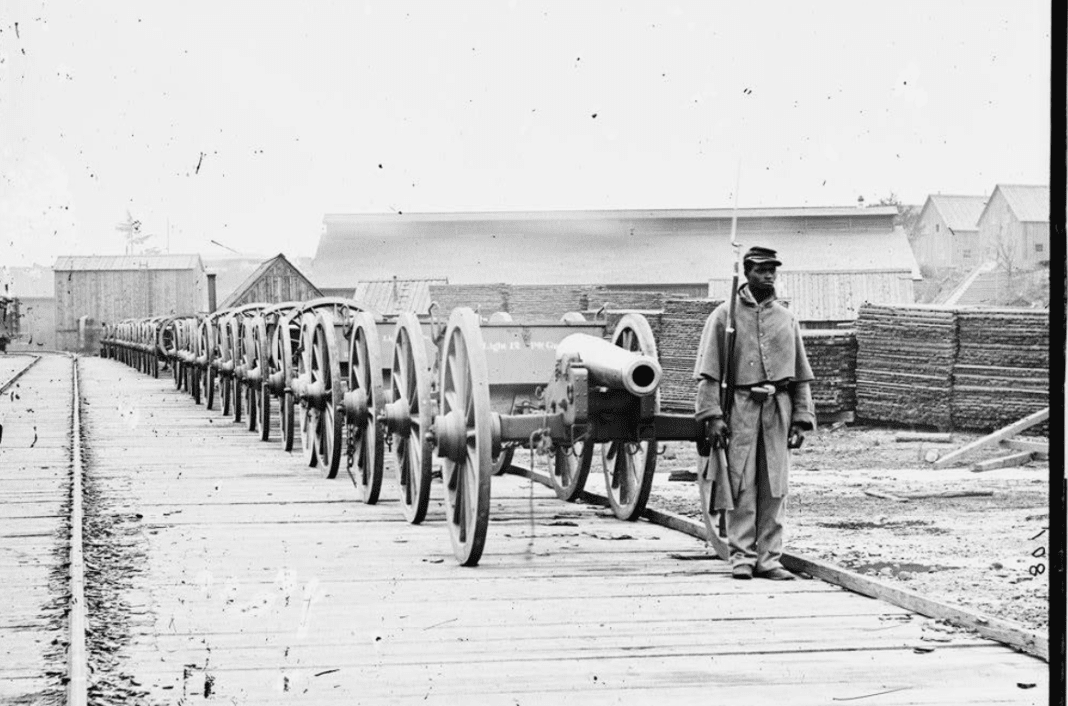

Chicago, a bustling metropolis located on the shores of Lake Michigan, played an important role in the American Civil War that is often overlooked. The city of Chicago was far from the battlefield that raged in the country’s south, but it was still a hub of political activity and decision-making. Read more at chicago-yes.com.
The American Civil War
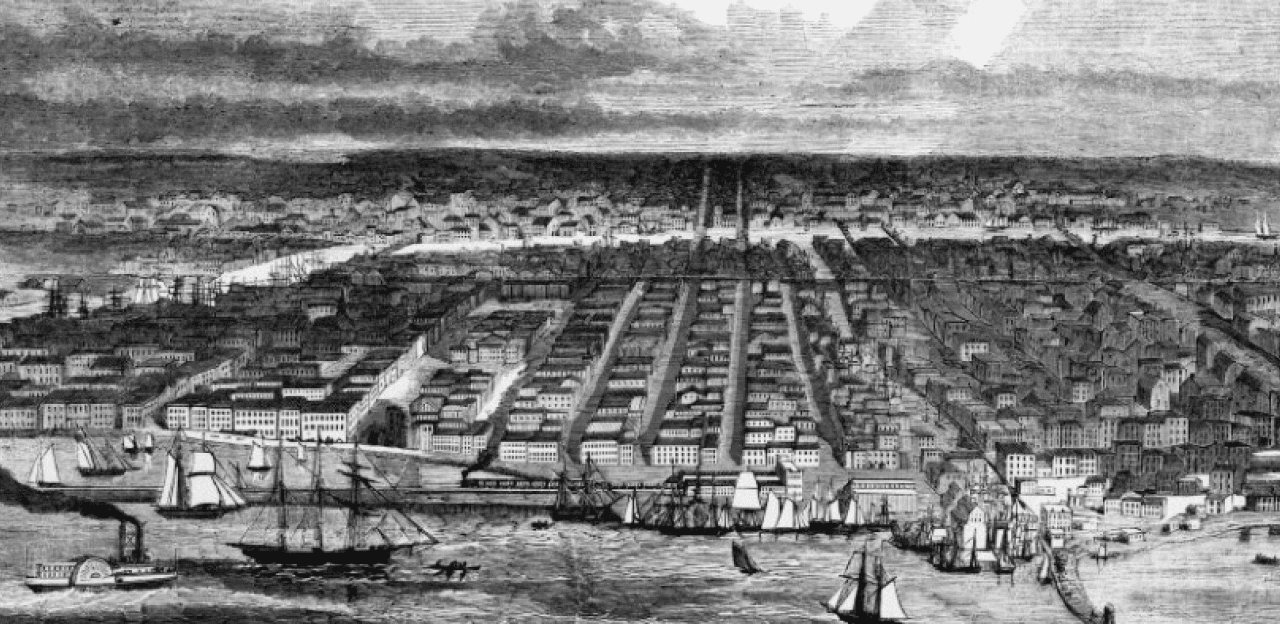
The civil war in the United States lasted four years, from 1861 to 1865. It was fought between the Federation Union, which consisted of 24 Northern states, and the Confederation, which consisted of the Southern Confederate States. The reason for this conflict was the idea of spreading slavery to the western territories, which would lead to an increase in the number of slave-owning states. If this was not allowed, slavery could disappear once and for all from the territories of America. The city of Chicago played an essential role in resolving the conflict and ending the war.
Chicago’s role in the US Civil War
During the early stages of the conflict, Chicago represented the growing industrial power of the North. Owing to its strategic location and robust manufacturing sector, it became a vital supply center for the Union Army. The city’s manufacturers produced weapons, uniforms and other necessities, strengthening the Northern military forces. Likewise, in pursuit of work and hope for a new life, emigrants flocked to the city. However, as the industry developed and the city progressed, significant discrepancies emerged.
In fact, in the mid-19th century, Chicago was a city of controversy. Its populace was made up of several ethnic groups, each with its own take on war. Many Irish emigrants, who were fleeing famine and British tyranny, backed the Confederacy. They were also compelled to do so by the Union’s persistent indignation and disregard for Irish-American interests. German immigrants, on the other hand, regarded the war as an opportunity to fight for the abolition of slavery, drawing on their own experience with political repression in their homeland.
As the conflict grew within Chicago during the war, all of these differences turned into violent fights. The most notable of these was the 1862 fire, which was started by Confederate supporters. The fire destroyed homes, businesses and factories throughout the city.
Chicago was also the epicenter of an intense debate about the war’s aftermath. At the period, newspapers and public forums were alive with debate over emancipation, state rights and the role of government. Prominent municipal officials like Stephen A. Douglas and Abraham Lincoln have engaged in fierce public debates that reflect the city’s vast differences.
Chicagoans did, however, find unity within the controversy. The city became a safe sanctuary for slaves who escaped seeking freedom. They fled on the Underground Railroad, and Chicago abolitionists put at risk their lives by harboring fleeing slaves in their homes. Women in the city as well played an important part in the war, organizing fundraising and forming volunteer organizations to support soldiers on the front lines.
Furthermore, the city of Chicago was influential in the American Civil War since:
- more than 22,000 people from Cook County, two-thirds of whom were from Chicago, served in the Union Army during the war
- the war transformed Chicago into a true center of industry, trade and even banking
- the famous Union song “The Battle Cry of Freedom” originated in Chicago
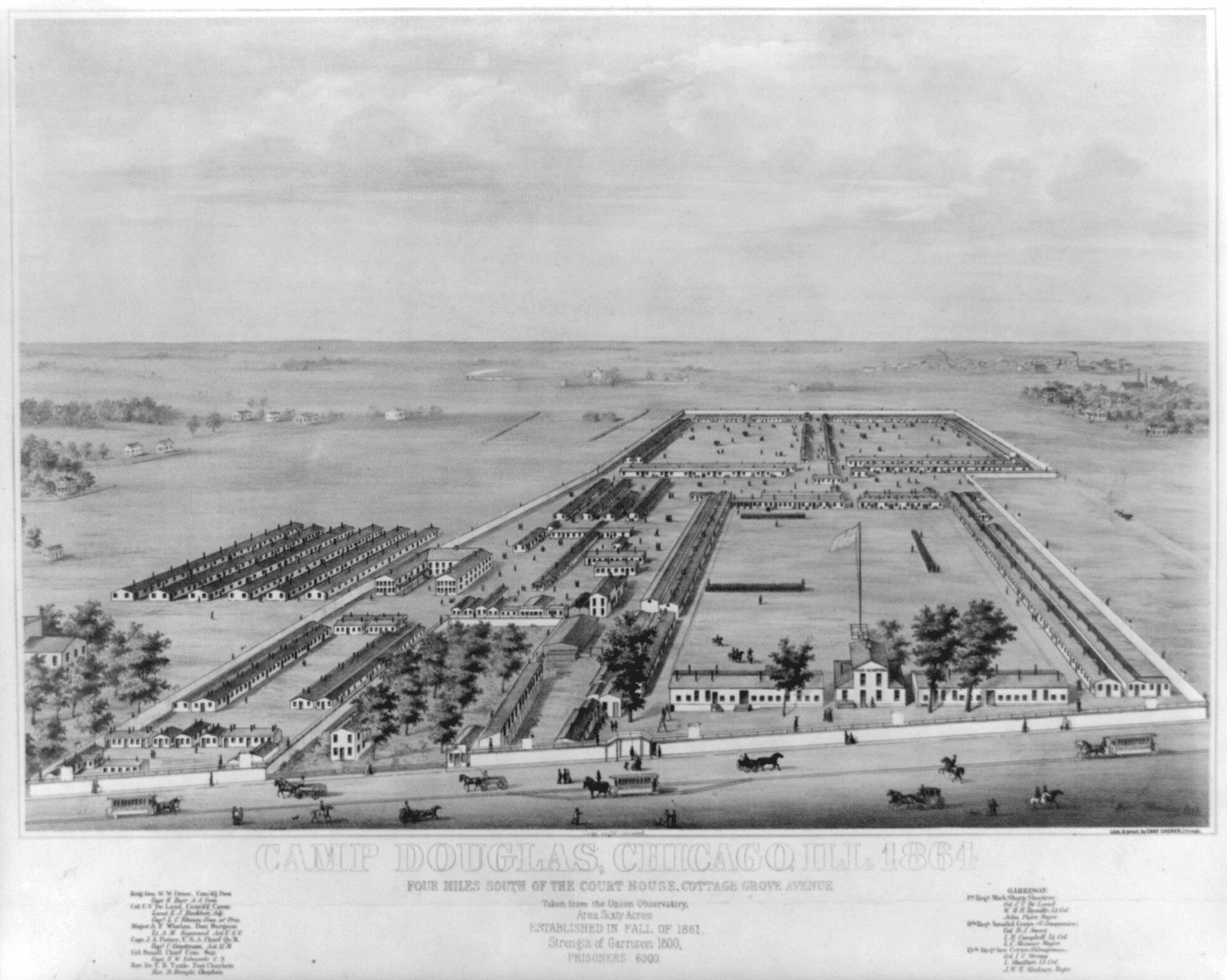
- Chicago was home to one of the largest POW camps in the North, Camp Douglas.
The war years left an unmistakable effect on Chicago, converting it from a developing border town to a booming urban center. During the Civil War, the city’s industrial power grew at an exponential rate. Furthermore, due to fleeing slaves and immigrants seeking economic opportunities, Chicago’s population grew several-fold between the 1861s and 1865s.