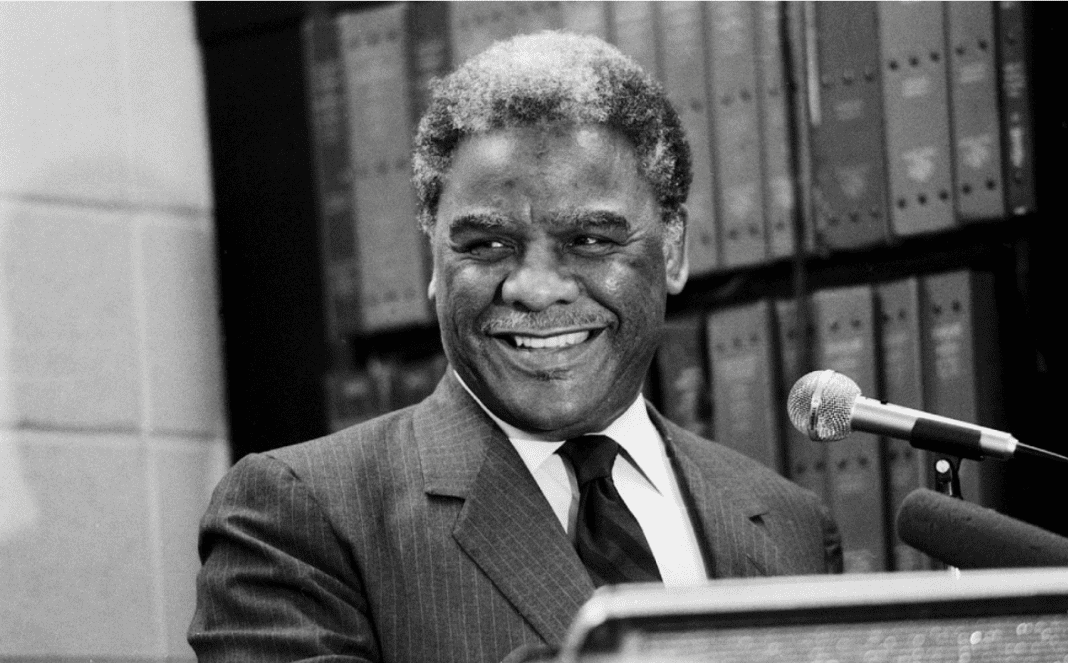

Chicago is a large and very noisy modern metropolis. There have been many notable persons in its history but one that really stands out is Harold Washington. He broke down racial barriers and became the city’s first African-American mayor. He was an incredibly charismatic political leader who fought for equality and social justice. As mayor, Washington implemented many projects that changed the political and social life of the city. Read more on chicago-yes.com.
Youth of the future mayor of Chicago
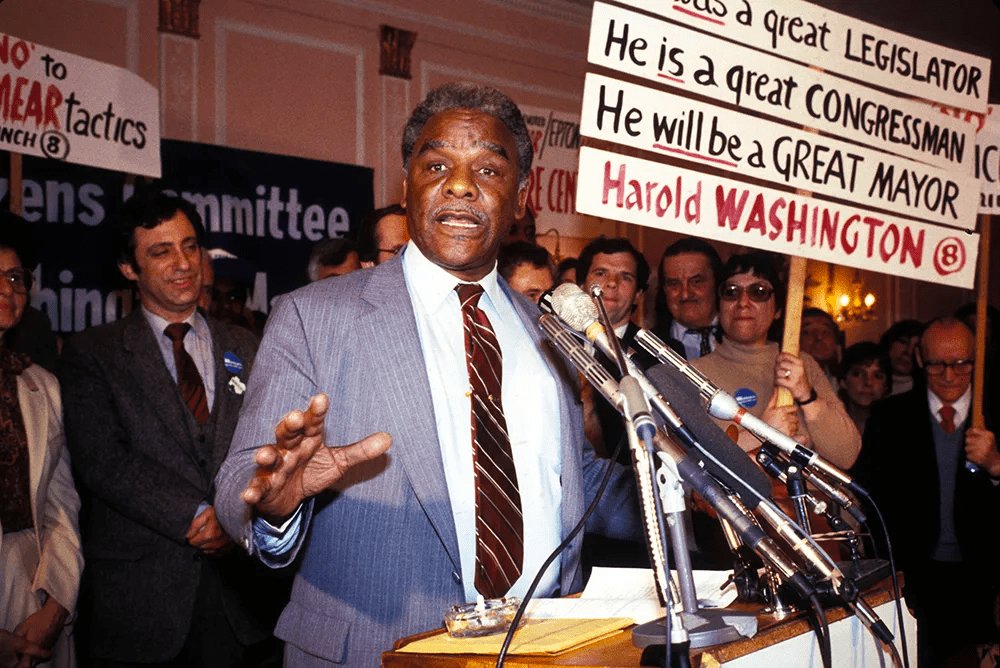
Harold Washington was born in Chicago in 1922. He grew up in the Bronzeville neighborhood. Those times were the period of oppression, segregation and socio-economic inequality to the black community. Thus, the young years of our hero were far from easy.
Despite the difficulties that Washington had to face in his childhood and youth, he was quite successful in his studies and showed all the qualities of a true leader. All this undoubtedly affected his further life and education.
Washington attended DuSable High School. However, before his senior year, he dropped out, saying he didn’t need the coursework and education. Most likely, such a sharp statement and decision were related to racial discrimination, which flourished in Chicago and the USA in the first half of the 20th century. After that, he worked for a while at a local meatpacking plant before his father helped him get a job at the U.S. Treasury Department’s Chicago office. This helped him in his further career.
When World War II began, Washington was drafted into the US Army. After training, he was sent to the battlefield. He went through the war and got the rank of First Sergeant in the US Army Air Forces.
After the end of the Second World War, he decided to get an education. Therefore, at the age of 24, he entered Roosevelt College. During his years of study, Washington became famous for his self-restraint. Thus, he had an extraordinary ability to stay equanimous and reasonable. Washington also deliberately avoided extremist activities against racially segregated restaurants and businesses during his student years.
Political awakening and civil rights activism
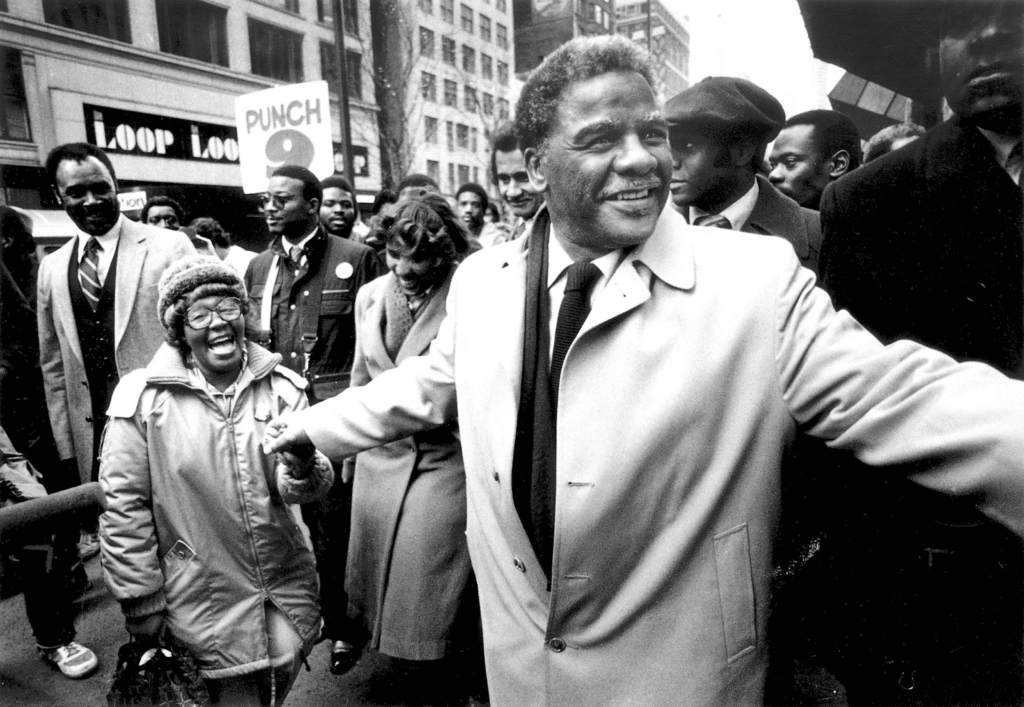
Washington’s politically active years coincided with the civil rights movement that emerged in the US in the 1950s and 1960s. As he faced discrimination, prejudice and injustice throughout his life, he became an active advocate for social change. Inspired by Martin Luther King Jr. and Malcolm X, Washington joined various civil rights organizations and actively participated in protests and demonstrations.
However, the real breakthrough in his political career happened when he got to the Senate from the state of Illinois. He served there for about eight years before being elected to the US House of Representatives in the early 1980s. As a congressman, he fought for affordable housing, better education and equal employment opportunities. However, the decisive moment in his career was his candidacy for mayor in 1983.
Achievements in the position of mayor
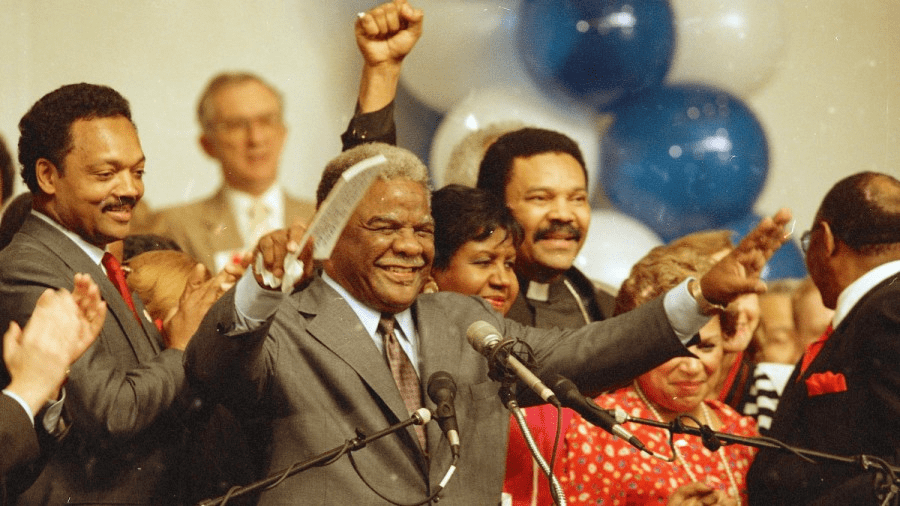
The mayoral campaign of 1983 witnessed a bitter struggle. Washington faced very powerful and fierce opponents, including the incumbent mayor Jane Byrne and Richard M. Daley. Washington’s campaign centered around themes of inclusivity, transparency and ending the patronage system that has long plagued local politics. His policies attracted the attention of not only Chicago’s black community but also other residents of the city. such as Latinos and progressive white residents.
Thus, Washington won the 1983 general election, becoming Chicago’s first African-American mayor. However, during his tenure, he faced fierce opposition from the City Council. They desperately wanted to hinder his reform program. The toxic political atmosphere often led to heated debates and deadlocks. Still, Washington’s character, wit and ability to negotiate helped him overcome these obstacles.
Despite the great achievements in the development of Chicago, Washington’s life suddenly came to an end. In the fall of 1987, he was solving pressing issues in his office when suddenly he felt sick and fell right on his desk. Doctors were called but the mayor could not be saved. He devoted his entire life to politics, social justice, improving education and modernizing Chicago.