
Operation “Chicago” went down in history as a successful landing by American paratroopers in Normandy during World War II. This military strike was part of Operation Neptune, conducted by the Allied forces. However, detailed planning and organization took considerable time and effort, as reported by «chicago-yes».
The Objective of the Military Operation
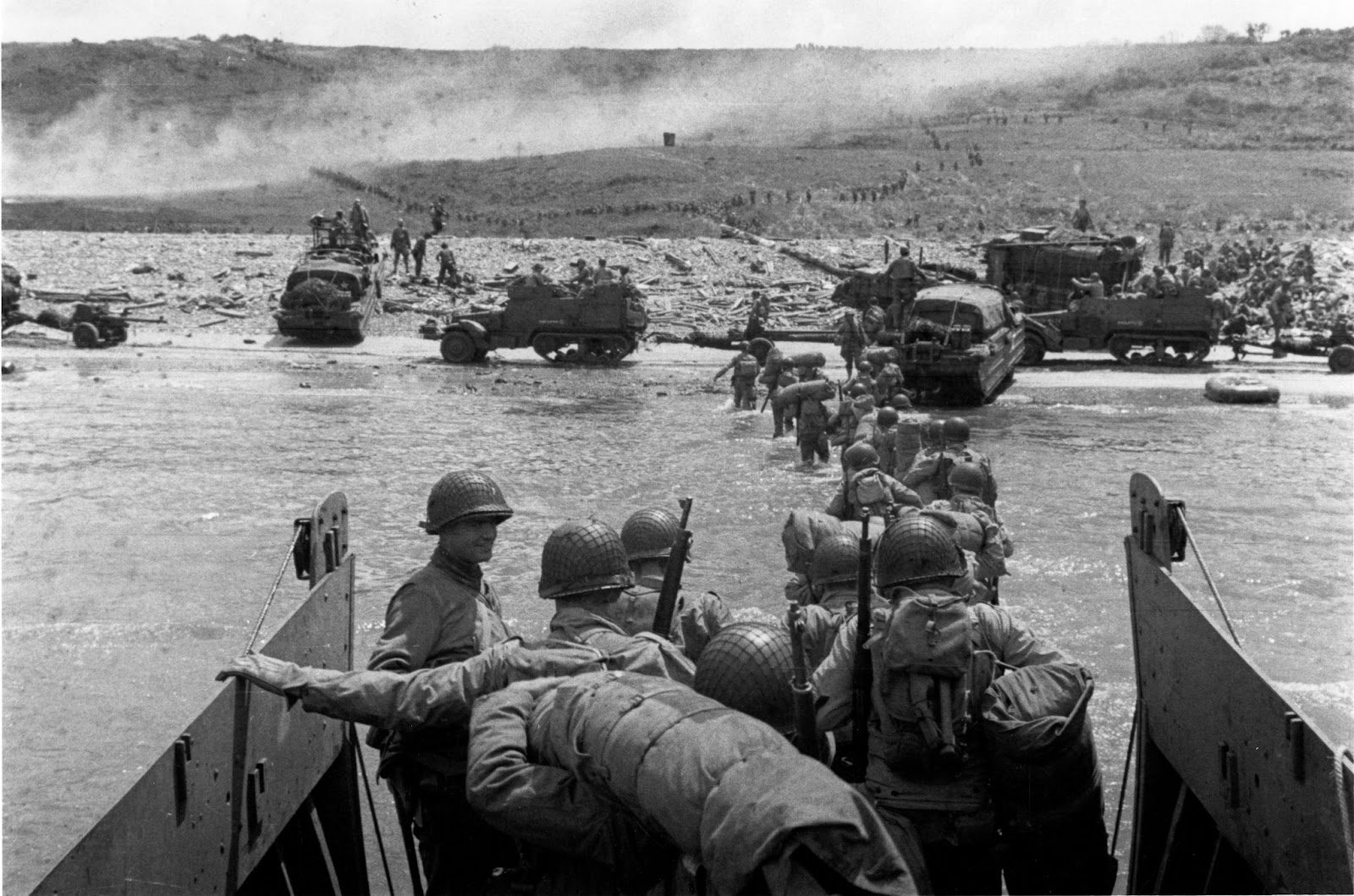
Operation “Chicago” was one of three military missions carried out by the 101st Airborne Division. The aim was to reinforce ground troops with personnel and equipment by using gliders to transport paratroopers positioned in enemy territory. This maneuver would allow the marines to advance from the flanks.
The gliders carried machine guns, explosives, ammunition, and artillery shells, with the mission led by General Don Pratt.
In total, 52 gliders were deployed for the operation. Originally scheduled for dawn, the command changed the timing to 4 a.m., allowing pilots the cover of darkness to avoid German anti-aircraft artillery.
The Start of the Operation
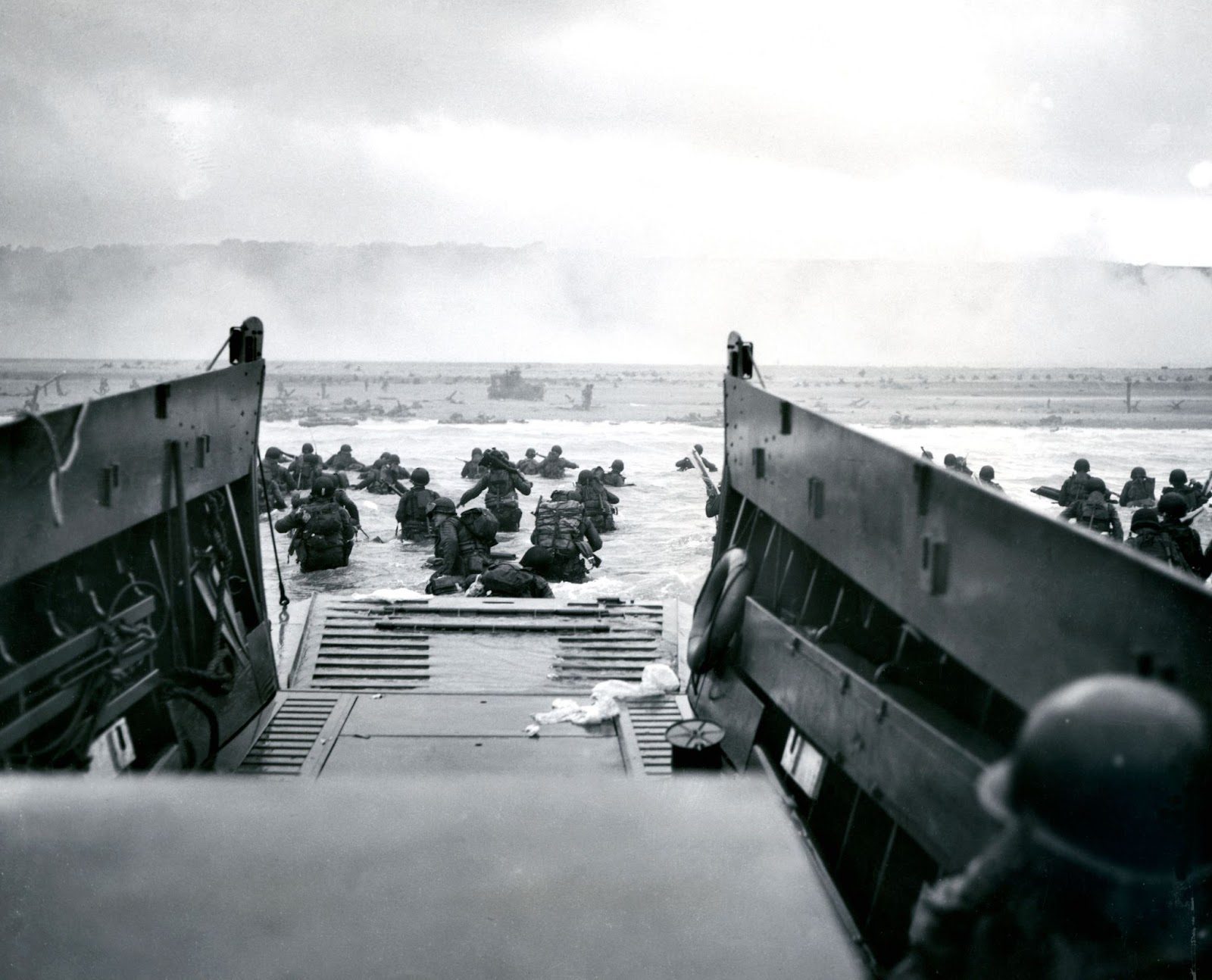
Operation “Chicago” aimed to support forces engaged in Operation Albany. The 101st Airborne Division was assigned tasks that included securing all dam exits by Utah Beach, neutralizing enemy artillery, capturing barracks and the command post in Mézières, and destroying foot and ground bridges over the Douve River.
The mission also included disrupting German communications by setting up checkpoints and defensive lines to clear landing zones in Le Forges. If successful, the troops would join forces with the 82nd Airborne Division.
The mission officially commenced at dawn on June 6, 1944, with gliders facing unexpected challenges in the landing area, which was lined with trees instead of hedges as previously believed, adding an additional obstacle.
How the Mission Unfolded and Its Results
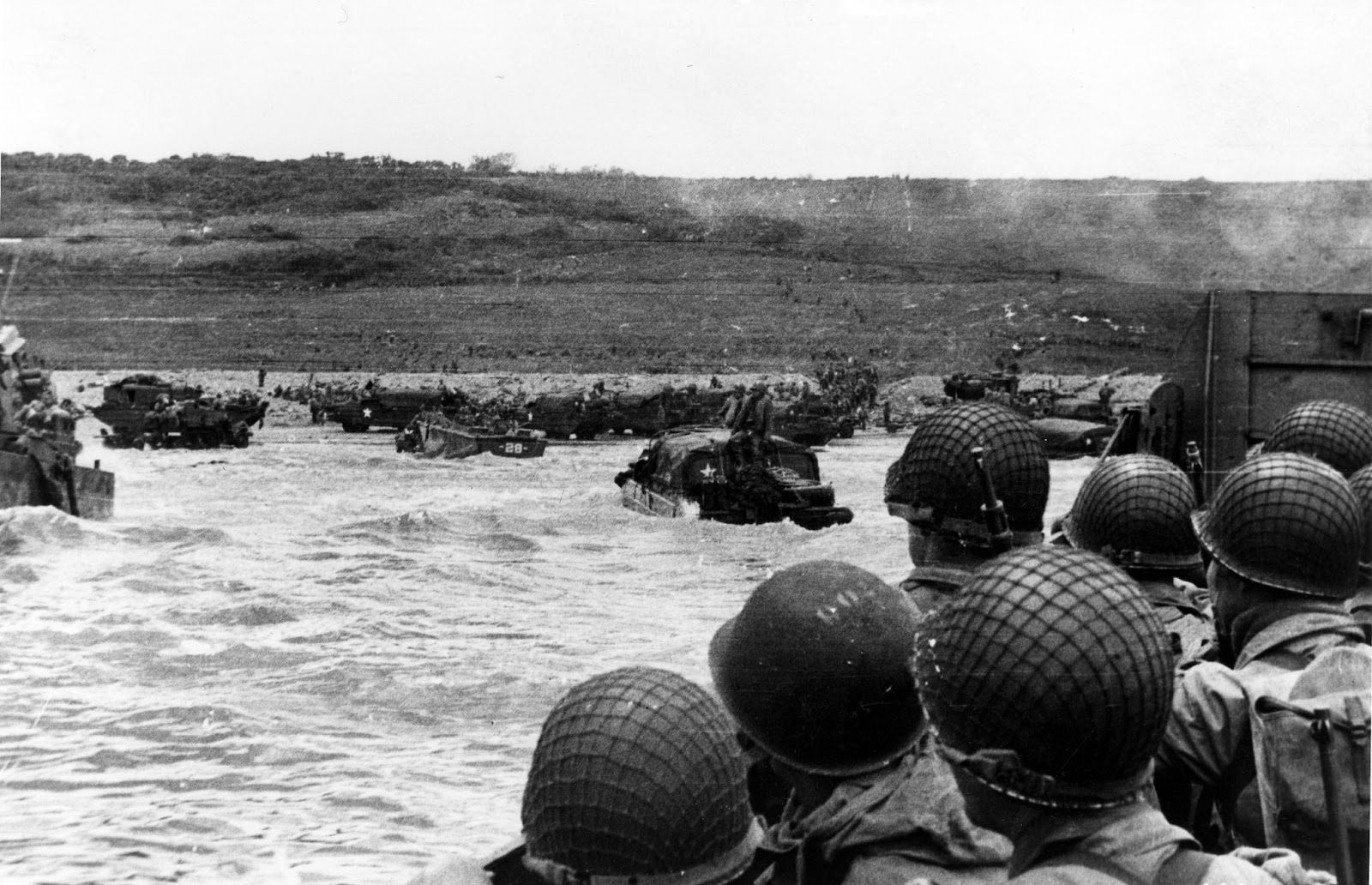
At dawn, Allied forces attempted to land paratroopers. In total, three groups launched, each consisting of 52 gliders carrying anti-tank artillery and reinforcements for ground troops.
As the forces approached the Utah beachhead, they encountered enemy fire. One glider was hit, while seven others suffered severe damage. However, 49 gliders successfully landed in designated areas of French territory, though some encountered damage when they crashed into trees. Fortunately, the cargo and most personnel were unharmed.
One glider made a hard landing, tragically killing General Don Pratt, deputy commander of the 101st Airborne Division. His death was a significant loss for Allied forces, as he was responsible for maintaining contact with the sea-landing troops.
Before dawn, command managed to regroup paratroopers and direct them to their designated positions. Overall, Operation Chicago, a key component of the Normandy campaign, achieved its goals. Despite setbacks, Allied forces succeeded in landing their equipment and troops close to the designated drop zones. Official reports noted five soldiers killed, with seven others missing in action.
Little-Known Facts About the Normandy Mission
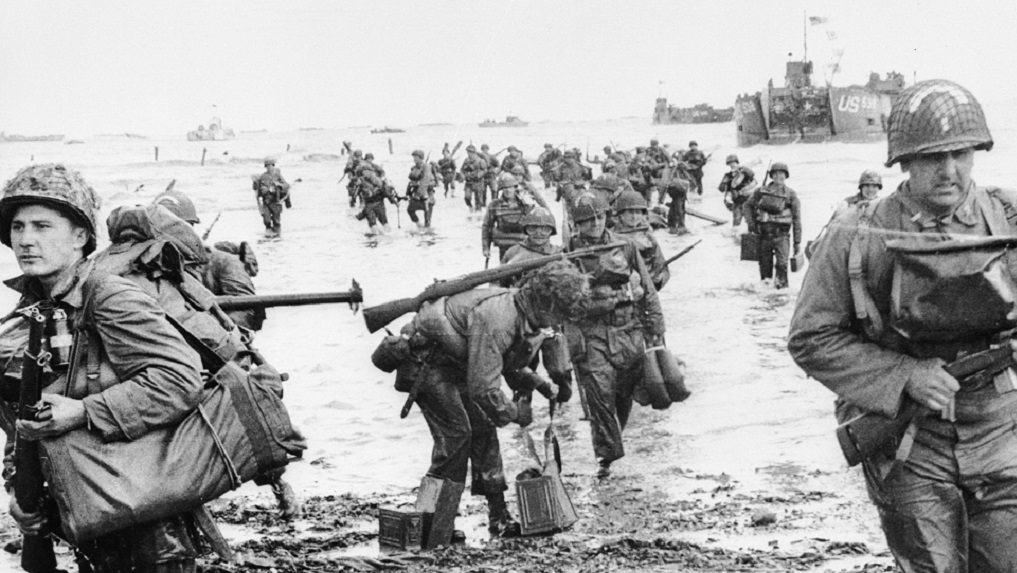
The successful Normandy operation paved the way for Germany’s eventual surrender. Allied forces—including American, British, and Canadian troops—landed on the Normandy coast in a historic amphibious assault that quickly captured northwest France.
Planning began with reconnaissance photos of the European coast in 1942, under the guise of creating “postcards,” while actually scouting potential landing sites. German intelligence, through the press and other sources, tried to spread the belief that the Allied landing would occur in Calais-Boulogne, even constructing decoys to reinforce this deception.
Choosing the Day for Operation “Chicago”
Selecting the date was crucial, as weather conditions were key to the mission’s success. A full moon and spring tide were ideal, leaving only a few possible dates.
Initially set for June 5, poor weather postponed the mission by 24 hours. Despite adverse weather and German resistance, the 156,000-strong force landed on June 6, securing the beachhead by June 7. Within eleven months, Germany surrendered.
During the operation, British Lieutenant Colonel Terence Otway put his soldiers’ loyalty to the test, sending attractive female military personnel into local pubs to see if anyone would leak classified information. Thankfully, none did.
Though costly in lives, Operation Chicago was a vital component of the Normandy landings, which was conducted in five main directions. The highest casualties were at Omaha Beach, where more than 4,000 Allied soldiers were killed or wounded, with one American unit losing 90% of its personnel.