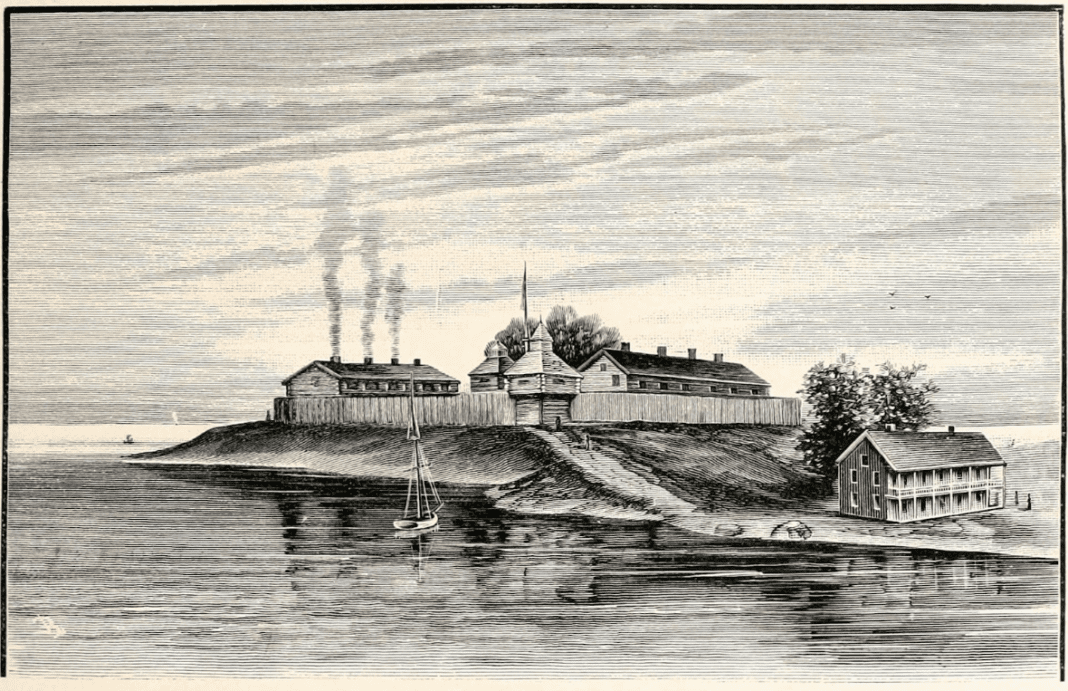

The Battle of Fort Dearborn was a significant event in American history. It can even be said that this battle determined the future fate of the growing nation. Fort Dearborn was founded at the confluence of the Chicago River and Lake Michigan in 1803 as a military outpost and trading post. In the 21st century, these areas are part of the city of Chicago. Read more on chicago-yes.com.
History of Fort Dearborn and background to the battle
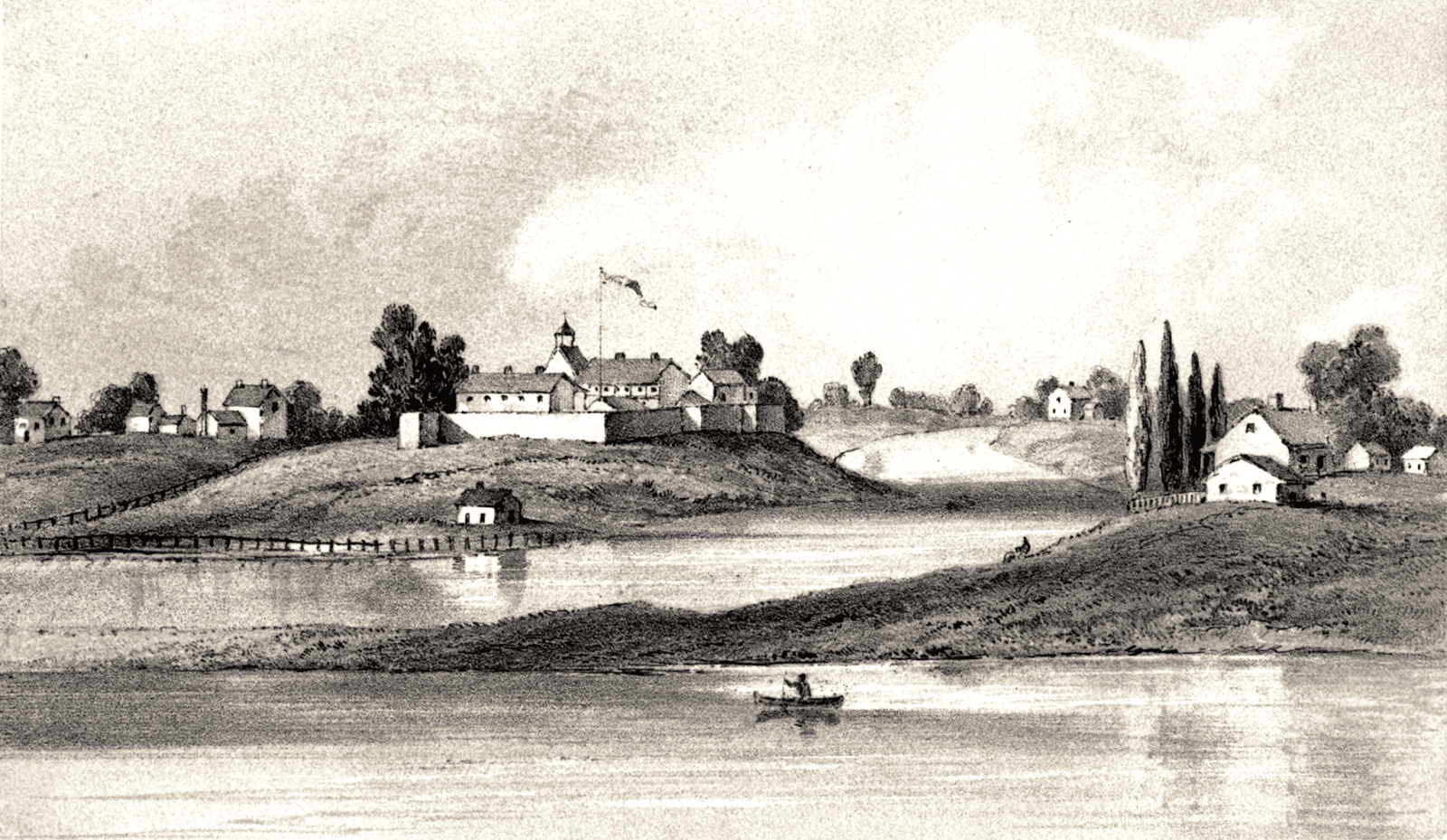
The creation of Fort Dearborn was part of the US strategy to expand its presence on the western frontier. The fort was built in 1803 and named after Secretary of War Henry Dearborn. It served as an important trading post between European settlers and Native American tribes. However, the tension between the two parties only grew over the years as the United States pursued territorial expansion at the Native American lands.
The War of 1812 and the destruction of the Fort
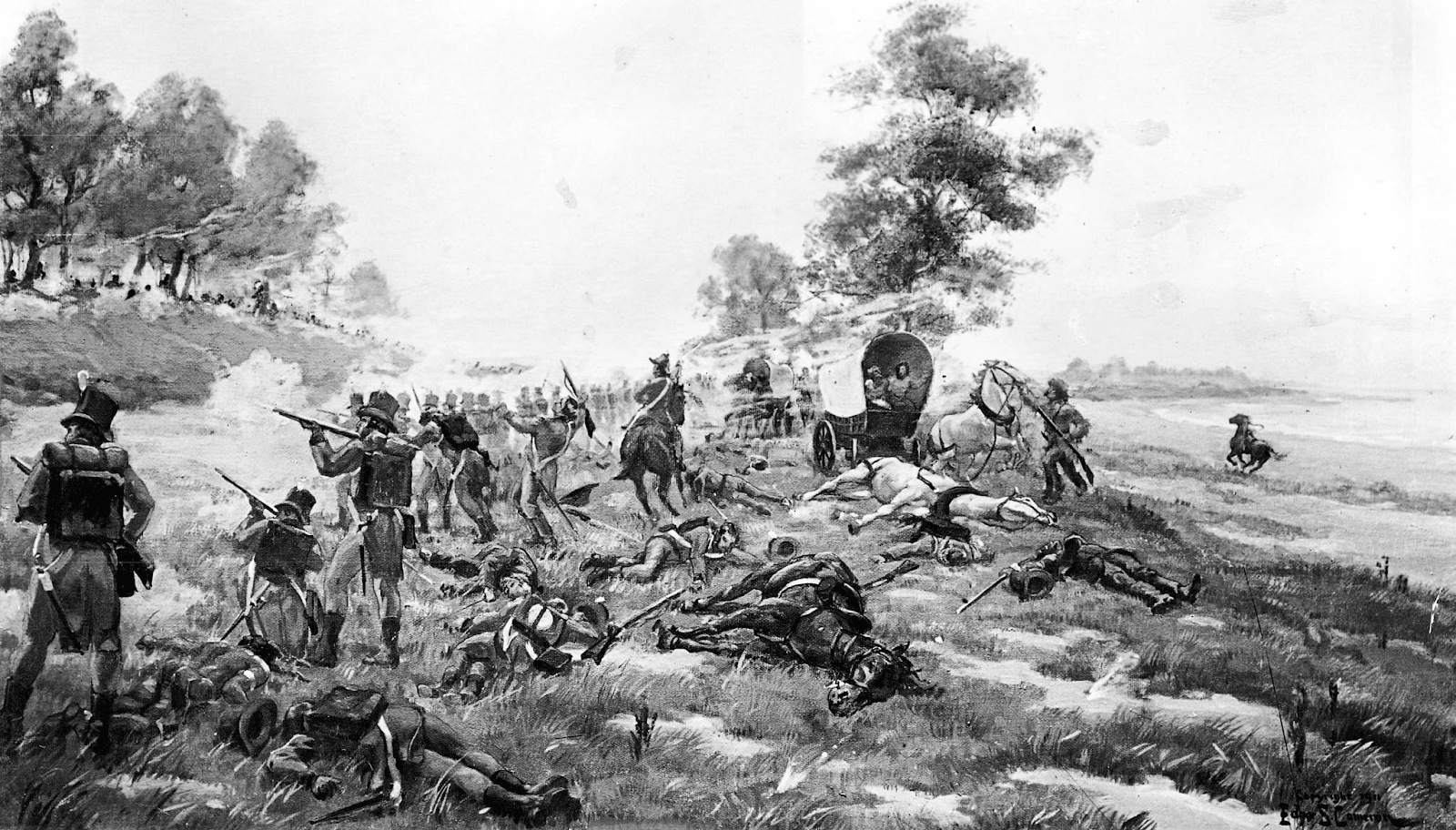
The outbreak of the War of 1812 between the United States and Great Britain intensified existing hostilities and sparked new conflicts on the western frontier. Native American tribes, including the Potawatomi and their leader, sought to resist encroachment on their ancestral lands. In August 1812, British-backed Native American forces launched a coordinated attack on Fort Dearborn, resulting in a battle that would change the course of Chicago’s subsequent history.
On August 15, 1812, amid escalating tension, the commander of Fort Dearborn, Captain Nathan Heald, made the fateful decision to evacuate the fort and send his garrison to Fort Wayne, Indiana. However, the Potawatomi warriors ambushed the retreating party just a few miles south of the Fort. In the chaos, soldiers and civilians faced a merciless onslaught that resulted in heavy losses. The survivors, including Captain Heald’s wife, were taken prisoner. On August 16, 1812, Native American tribes completely burned the Fort. Nothing was left of it.
Second Fort Dearborn
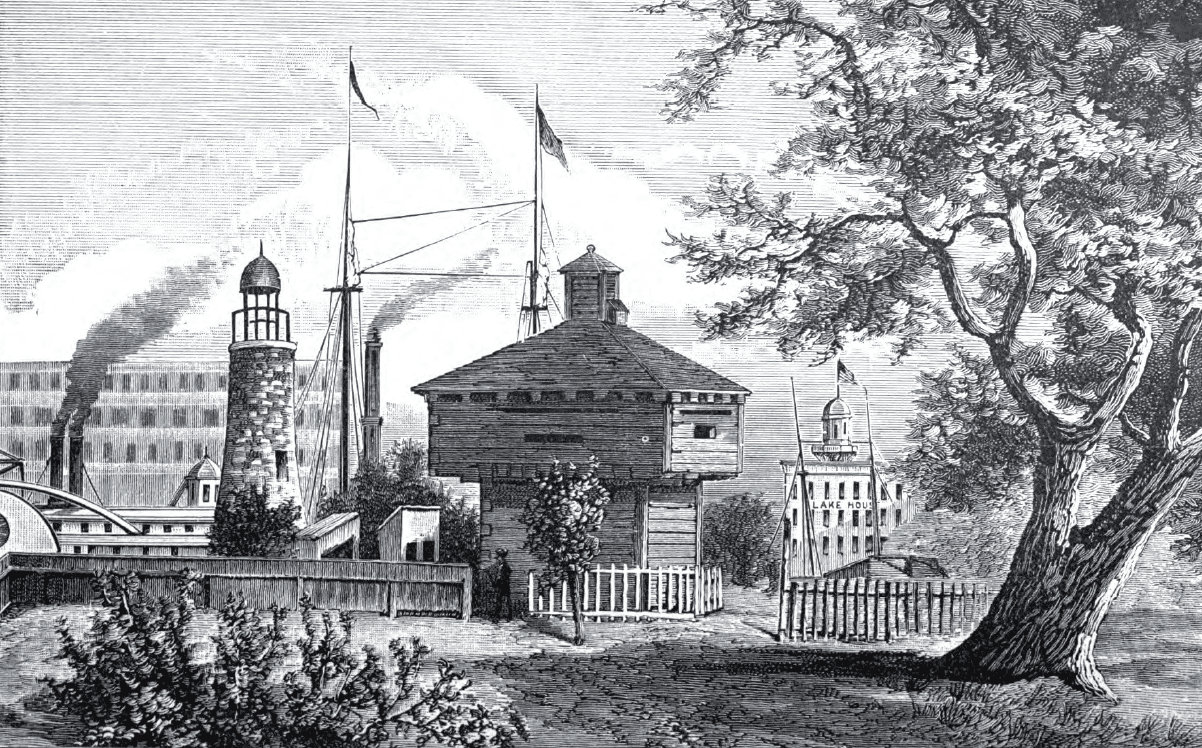
After the end of the War, a new Fort Dearborn was built in 1816. American troops were stationed there until 1823 when complete peace with the locals was established.
Before the Black Hawk War of 1832, the second Fort Dearborn was closed. The port had extensive grounds that included nature reserves, as well as part of the Grand Park land. Soon these vast territories were no longer needed and were transferred to the possession of the city of Chicago by the federal government. In 1855, part of the Fort was destroyed to deepen the Chicago River. In 1857, a fire ruined almost all the other buildings. All surviving parts of the blockhouse were destroyed by the Great Chicago Fire of 1871.
The Battle of Fort Dearborn in the early 19th century had a profound effect on local Native American tribes, European-American settlers and the future development of Chicago. The fort lay in ruins and the land remained under Native American control for over ten years. However, the conflict prompted the United States to rebuild Fort Dearborn in 1816, marking the revival of the settlement that later became Chicago.
The Battle of Fort Dearborn is a testament to the clash of cultures and competing interests that characterized the early history of the United States. It is a reminder of the sacrifices made by both Native Americans and European settlers during the tumultuous period of nation-building. Although the battle resulted in tragedy, it also spurred the growth and development of Chicago, helping to transform it into a vital center of trade, commerce and culture.