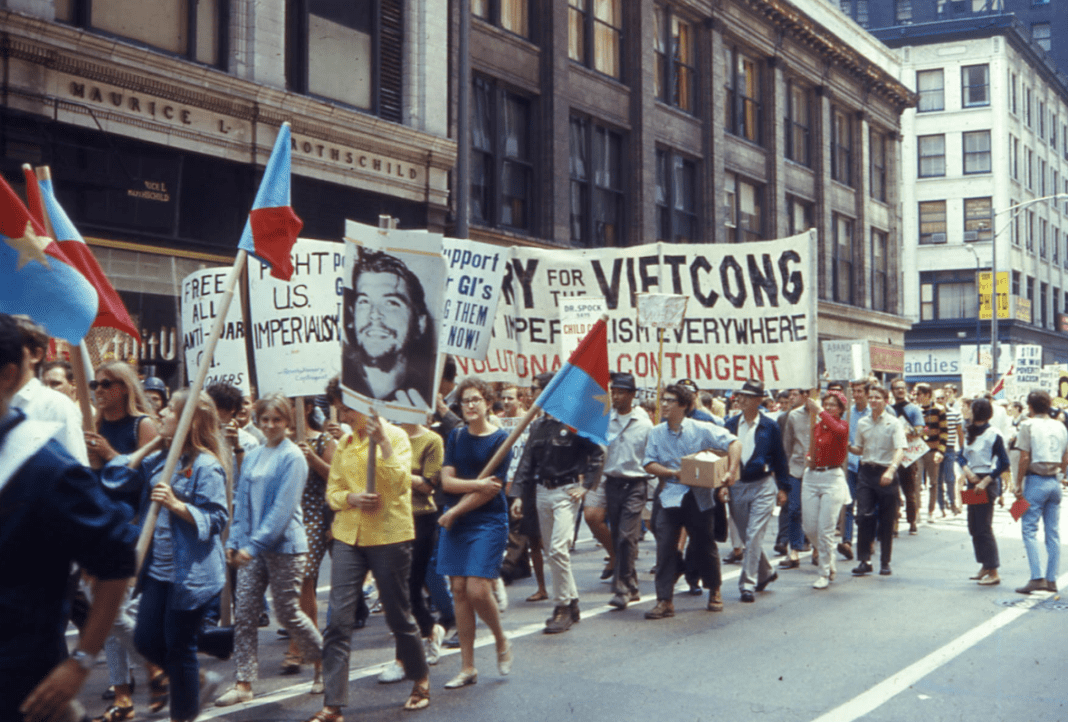

In the late 1960s, residents of the United States were split by the subject of the Vietnam War. In particular, growing discontent and anti-war sentiment reached a boiling point in Chicago during the Democratic National Convention in 1968. Find out more information at chicago-yes.com.
The Vietnam War
After World War II ended in 1945, the United States had an opposing view toward the Soviet Union and communism. At the same time, the USSR expressed its sharp disapproval of this viewpoint. From the late 1940s through the early 1990s, the United States attempted to halt the spread of communist ideology around the world in every manner imaginable. In fact, the US government developed a policy of intervening in the affairs of countries that they believed were vulnerable to communist influence. At the beginning of the 1960s, this policy resulted in participation in the politically divisive Vietnam War. During this conflict, the US attempted to protect South Vietnam from falling under the influence of communist North Vietnam. More than 2 million Vietnamese and almost 58 thousand Americans lost their lives as a result of the Vietnam War.
Chicagoans’ views on the Vietnam War
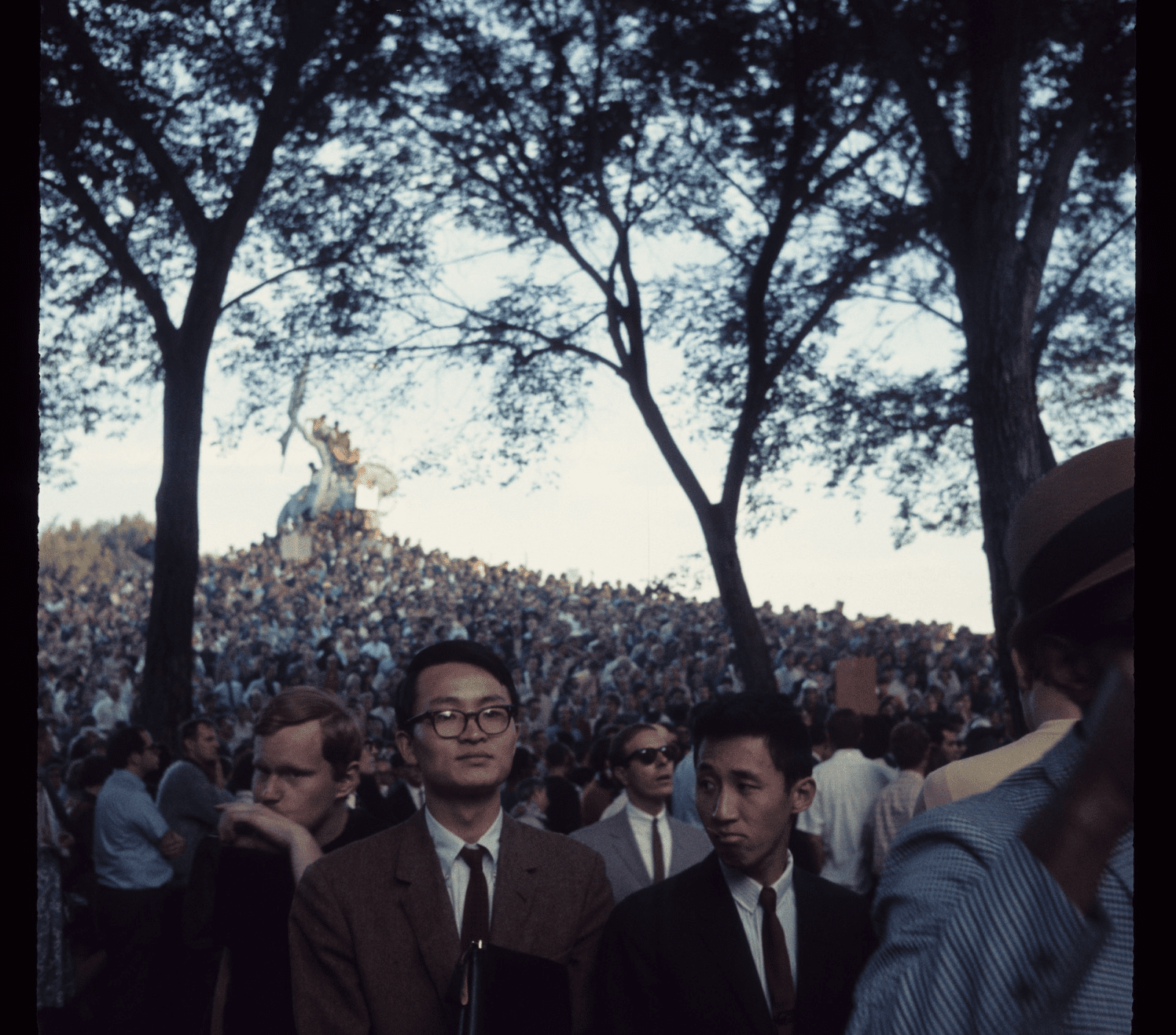
The Vietnam War escalated in the early 1960s. This caused widespread criticism and opposition from the American people. The anti-war movement was gaining momentum across the country. Along with increasing casualties, the movement also triggered mass conscription. In the 20th century, Chicago, recognized for its strong political involvement, became the epicenter of anti-war demonstrations.
The Democratic National Convention
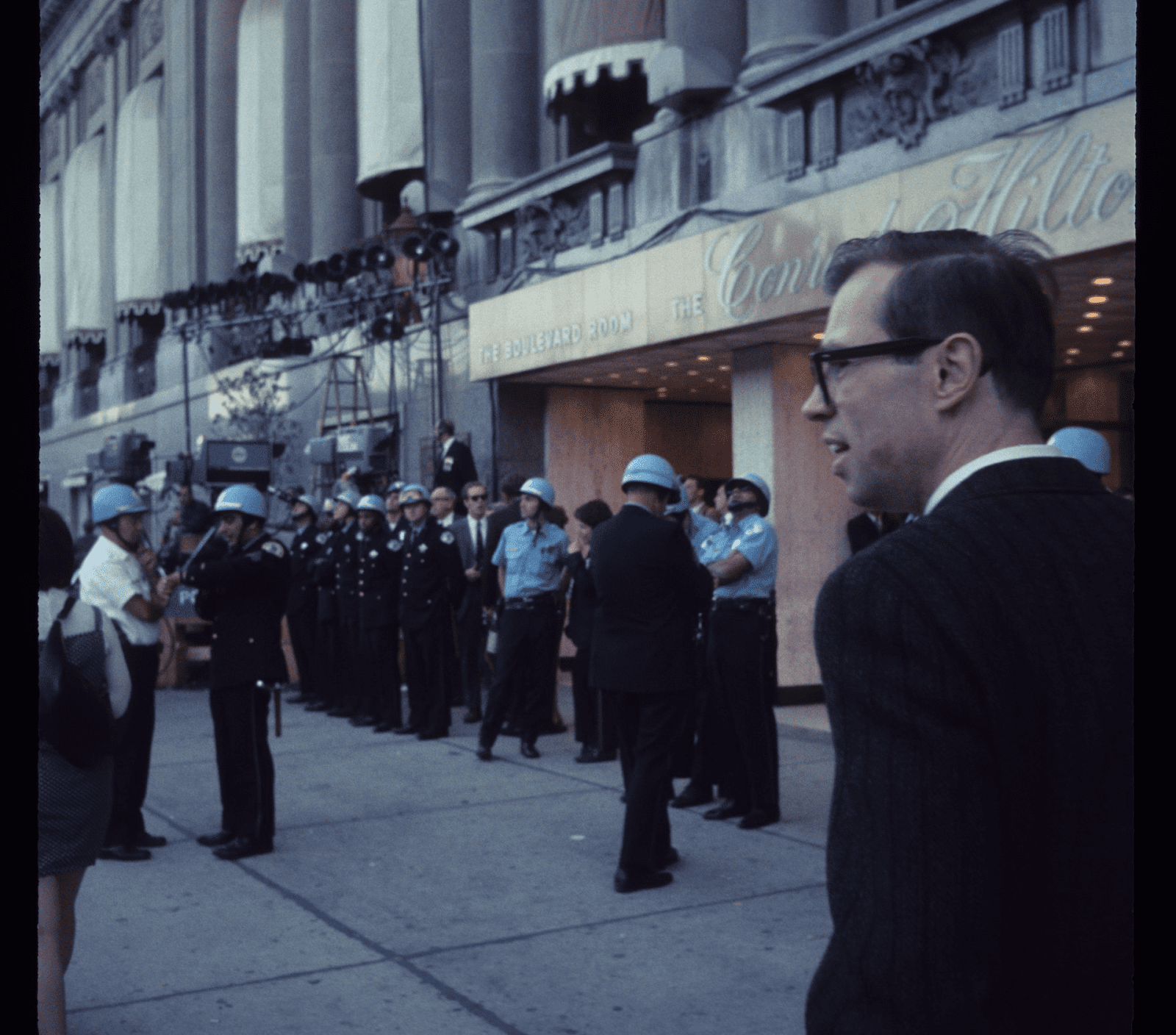
In August 1968, the Democratic National Convention was held in Chicago. At the same time, anti-Vietnam War demonstrators assembled in the city. The purpose of the Congress was to choose a presidential candidate, but it instead became the site of a heated debate between the anti-war movement and the establishment.
The Yippies, a well-known organization led by activists Abbie Hoffman and Jerry Rubin, took part in the demonstrations. Yippies were well-known for their cultural activity. They aimed to defy conventions and confront the political elite.
The late 1960s protests against the Vietnam War in Chicago resulted in violent clashes between protestors and police. A large number of protesters were arrested. The prosecution of seven protest leaders, including Hoffman and Rubin, drew widespread attention and became a symbol of the conflict between dissidents and the government.
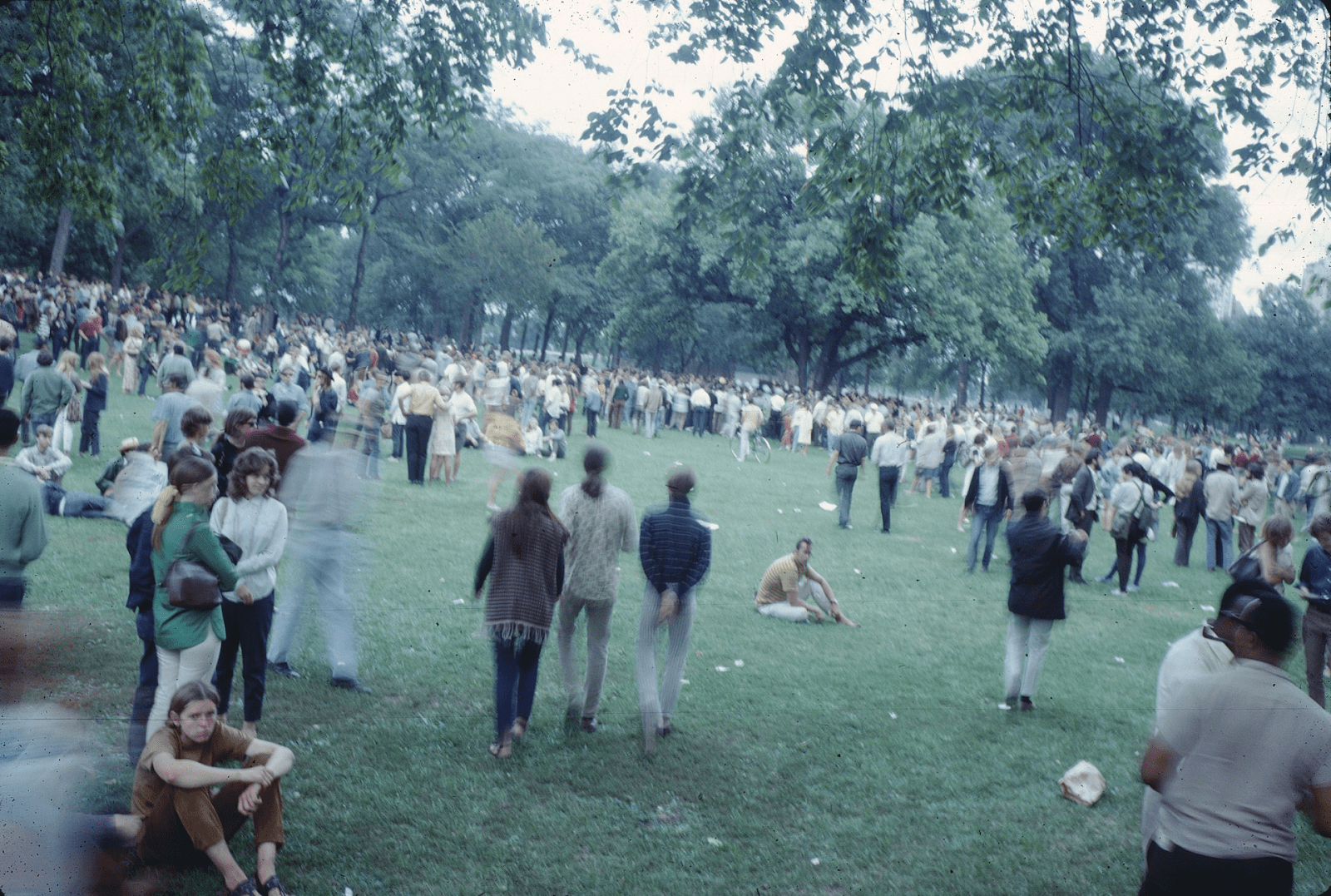
Protests against the Vietnam War in Chicago have propelled the anti-war movement to the forefront of public attention. This exposed significant divisions in American society and sparked a nationwide debate about the role of dissent in a democracy. The events in Chicago prompted many Americans to rethink the government’s actions and policies.
Early anti-war protests in Chicago had a huge influence on following anti-war demonstrations and activism around the country. They served as a source of inspiration and fuel for subsequent movements. Residents of the United States began to gather in various places for nonviolent cultural protests. They fought bravely for civil rights, social justice, peace and the end of the Vietnam War.
The Chicago anti-war protests were a turning point in the anti-war movement as well as in American history. They represented the courage of ordinary citizens who dared to question the situation in Vietnam. The events of the 1960s in Chicago were a true catalyst for change.