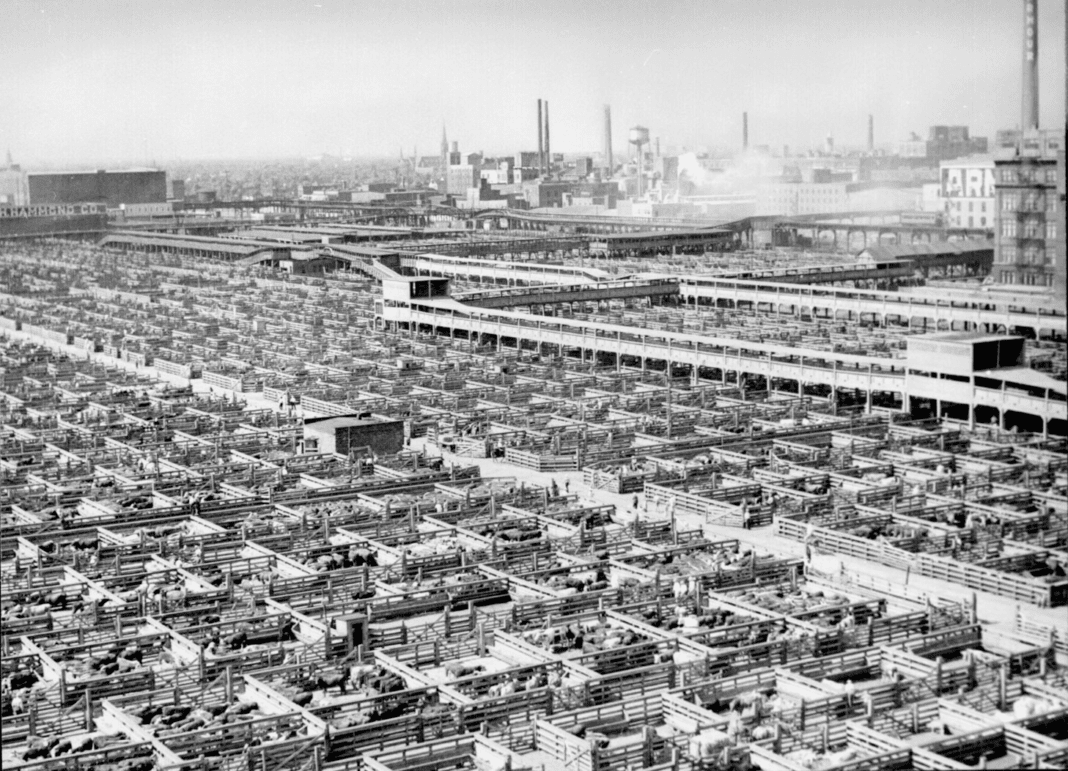

Few people know that while World War I destroyed Europe at the beginning of the 20th century, Chicago grew into an industrial center. The city became a significant hub for developing military gear. It rose to prominence as one of America’s busiest cities, playing a vital role during the war. Find out more at chicago-yes.com.
Chicago and the beginning of the war
Despite the fact that Chicago was far from the scene of major combat actions, it played an important part in the war. Chicago was already a bustling metropolis when World War I broke out in 1914. There were many livestock yards, production centers and vital transportation networks. Because of its strategic location at the crossroads of national railways and waterways, the city has become an ideal logistics center for delivering supplies and transferring troops to Europe. The function of urban industrial businesses was critical. Steel mills to meat processing industries were all critical in supplying the armed forces with the resources they needed.
The industrial potential of Chicago during the war
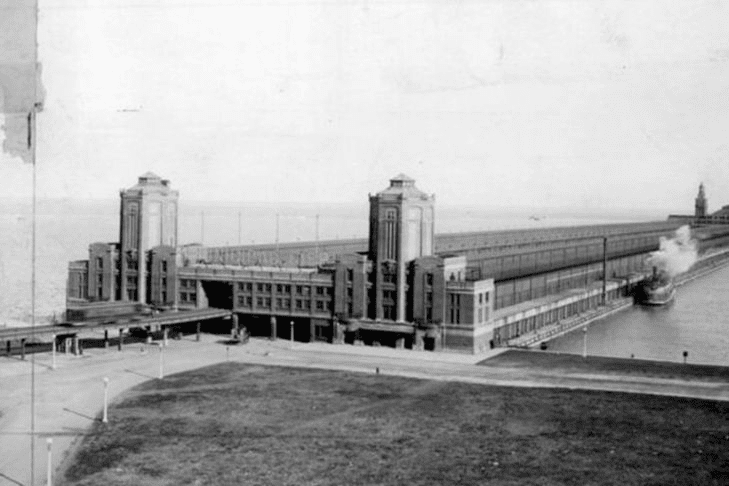
During WWI, one of Chicago’s most significant achievements was its part in strengthening the country’s military capabilities. During the war, the city’s robust manufacturing sector shifted primarily to the manufacture of military materials. During this time, Chicago saw the establishment of armed factories, which mass-produced weapons, ammunition and military equipment at a rapid rate. Moreover, during the war, some of Chicago’s extant factories were repurposed. In particular, they were converted into ammunition manufacturing facilities. The development and supply of artillery during the First World War were significantly aided by the Chicago Bridge & Iron Company.
Supplying the army with food
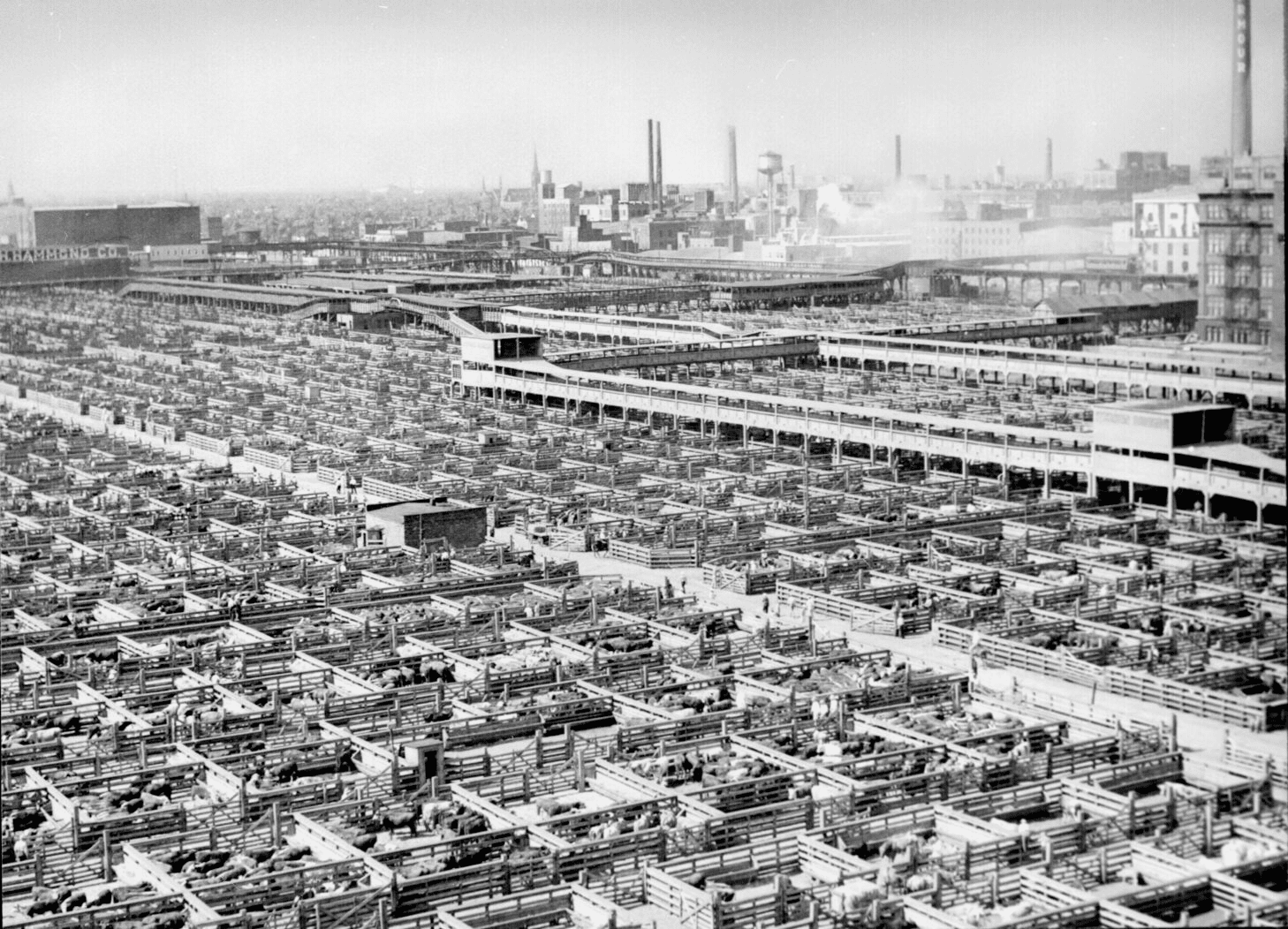
Chicago’s role in WWI was not limited to the manufacture of weaponry. The city also played an important role in providing necessary food to troops serving abroad. Union Stock Yards, the country’s largest livestock market, ensured that soldiers on the front lines had a steady supply of fresh meat. Chicago meat packers labored around the clock to process and pack meat for US and allied armies around the world. Furthermore, the city’s strong food industry aided in the beginning of the mass manufacture of canned food, which was also given to the soldiers.
Chicago’s social transformation caused by the war
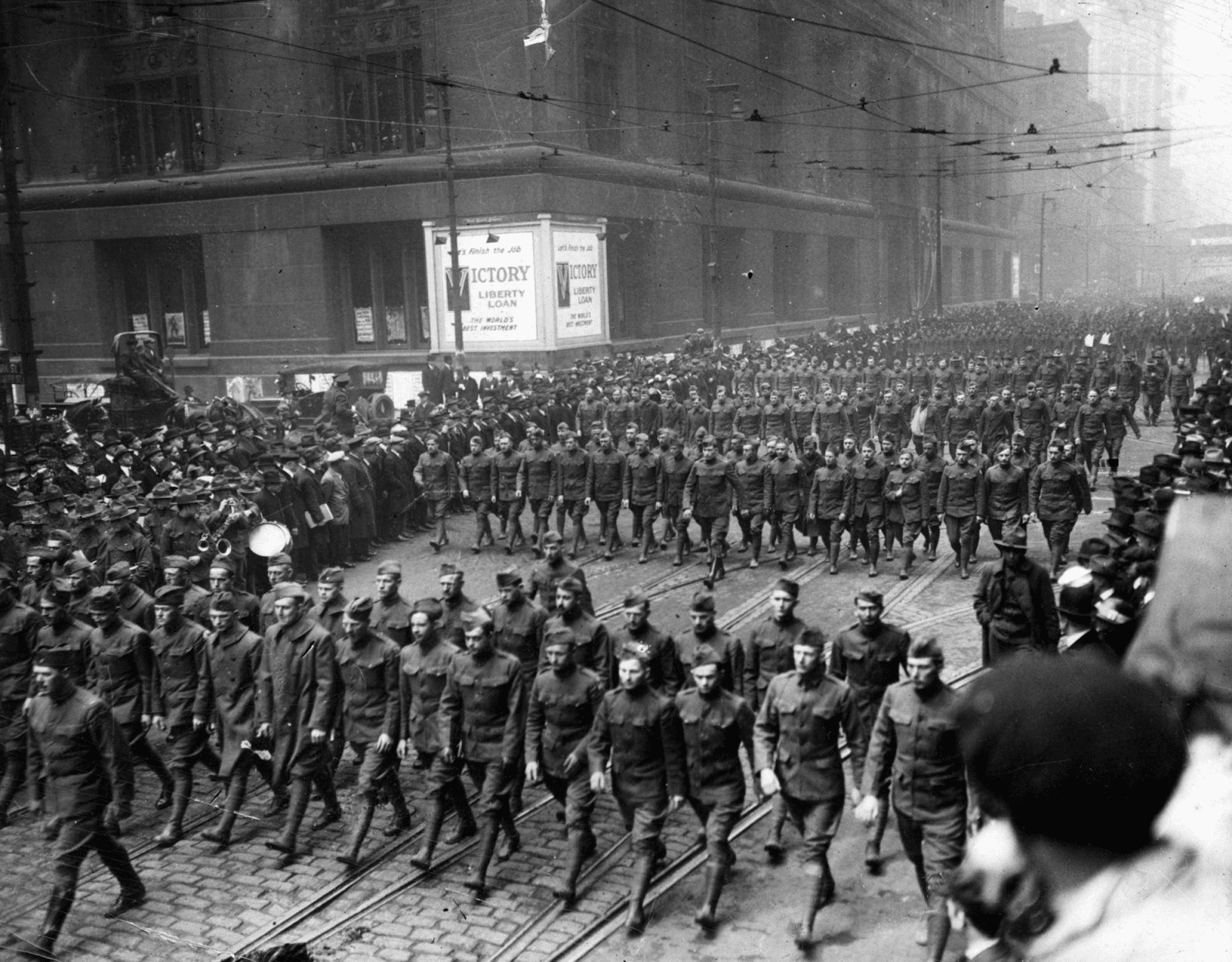
During World War I, Chicago witnessed a surge of patriotism and civic activism. Local charities worked hard to collect aid for military troops and their families. Also, throughout the war, many Red Cross branches were established in the city, where citizens could get medical care and other aid services. Furthermore, Chicago residents willingly purchased war bonds to fund military operations, contributing significantly to the city treasury.
On top of that, the First World War resulted in considerable socioeconomic changes in Chicago. The inflow of refugees from Europe looking for work and a better life has resulted in a significant demographic shift.
The importance of Chicago’s contribution to the battle has not gone forgotten. The city’s great manufacturing capabilities, strong logistics infrastructure and unflinching support for troops have cemented its image as a critical ally throughout difficult wartime.
When World War I ended in 1918, Chicago was transformed into an entirely new metropolis. Its industry propelled the country to greatness, and its people displayed remarkable patriotism. All of this solidified Chicago’s historical significance as a great example of the fortitude of the American people.