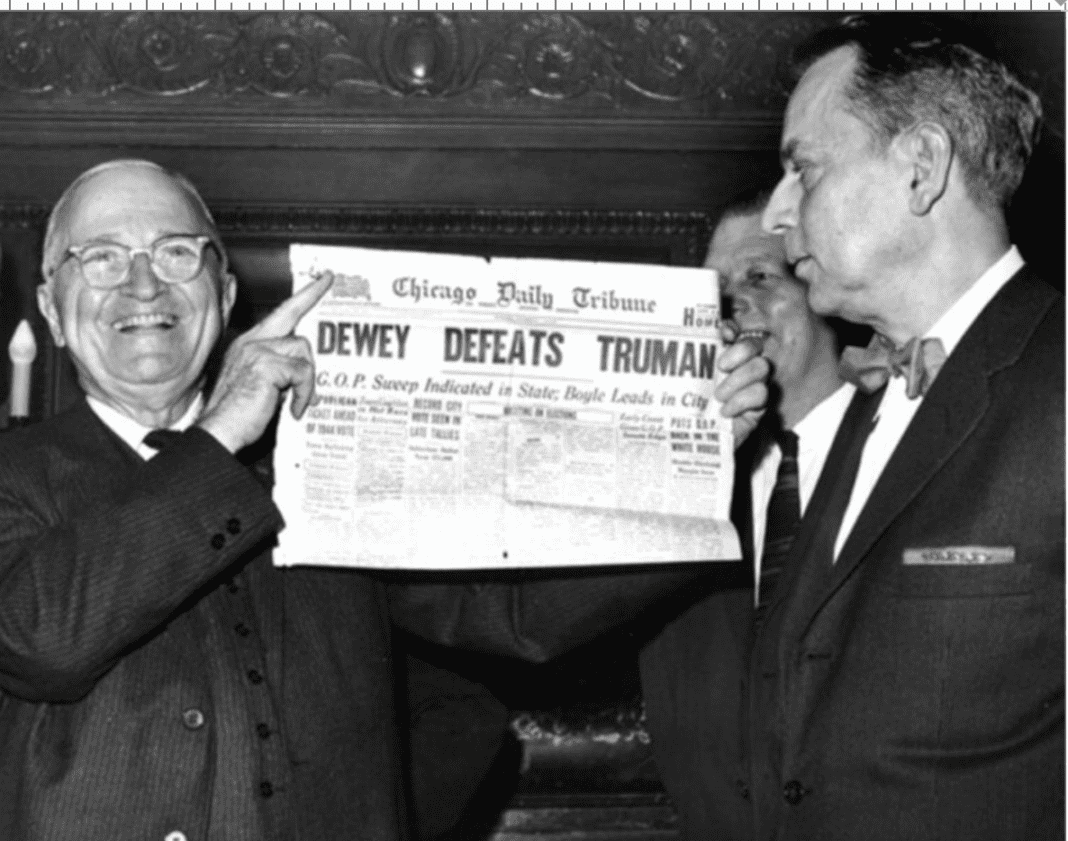

In the second half of the 20th century, the whole world became a part of an ideological conflict between the United States and the Soviet Union. No city in the entire globe was left untouched by the freezing grip of the Cold War. Chicago was one of many urban centers heavily influenced by this era. The Cold War pervaded every aspect of life in the city. Find out more at chicago-yes.com.
Causes and effects of the Cold War
The Cold War was not technically a war in international legal terms, rather, it was an ideological confrontation for global dominance between the USSR and the United States. It was a global geopolitical, military, technological, economic and ideological conflict that stretched from 1946 to the early 1990s.
The Cold War was also accompanied by a race of conventional and nuclear arms, which at the time had the potential to spark World War III. The Caribbean Crisis of 1962 was the most well-known instance of this, which may have implied the start of World War III in the 20th century. The entire globe was on the verge of tragedy at the time. In the 1970s, due to such a tense situation during the Cold War, the US government took action to ease international conflicts and scale back the weaponry. Furthermore, the Soviet Union’s government supported this initiative. All of these undoubtedly contributed to the prevention of World War III.
The political climate in Chicago during the Cold War
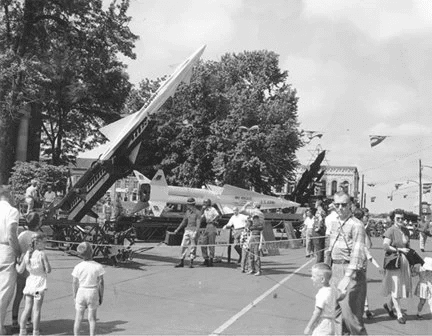
With its powerful industry and strong political leaders, Chicago has always been a major center of the United States. During the Cold War, however, this city became the epicenter of a strong polarization. The rise of McCarthyism created an atmosphere of suspicion and fear, leading to anti-communist activities and an actual hunt for traitors. Ideological battles have broken out among the political factions in the city. Even influential politicians of the time like mayor Richard Michael Daley were forced to defend their anti-communist stances.
Espionage and counterintelligence in Chicago
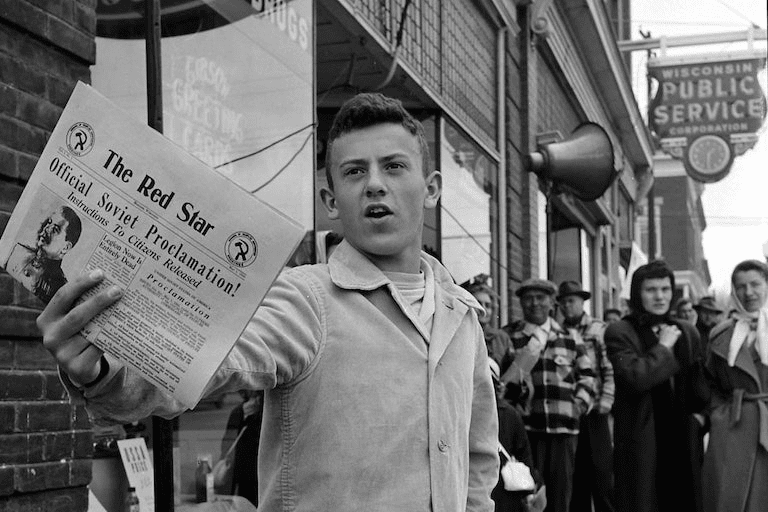
Because of its strategic location and thriving economy, Chicago became the primary focus of Soviet espionage. Rudolf Abel, the infamous KGB spy, ran an espionage network in the city in the 1950s, passing sensitive information to the Soviet Union. A number of Soviet spies, including Morris and Lona Cohen, were successfully apprehended thanks to the counterintelligence activities of the FBI’s Chicago office. The city became a real-life chessboard of Cold War intrigues as a result of these secret operations.
The impact of the Cold War on Chicago culture
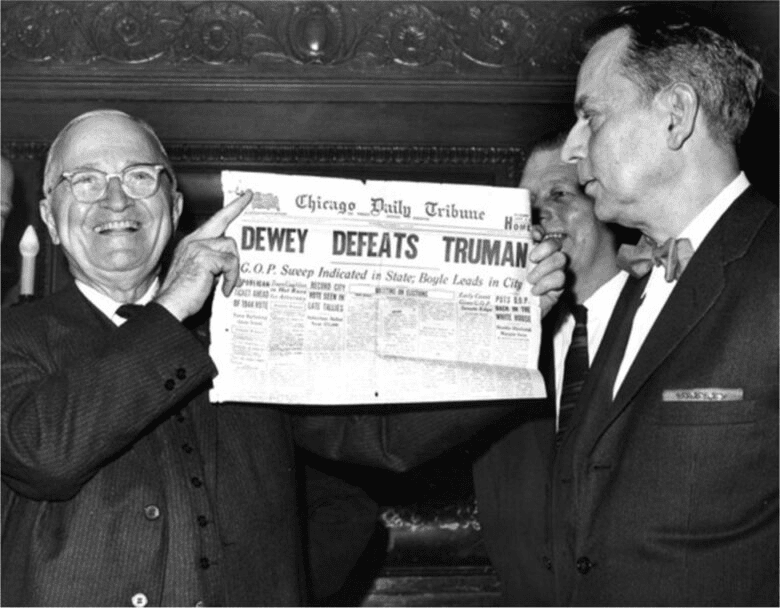
The Cold War era also had an impact on Chicago’s cultural sphere. This could be observed in multiple manifestations at the time. The renowned improvisational theater The Second City gave rise to satirical sketches that made fun of the paranoia and propaganda of that era. Similarly, in the 1950s, the Chicago Tribune denounced Communist teachings and ran successful anti-communist campaigns. Furthermore, the architecture, particularly the installation of bomb shelters at the time, served as a stark reminder of the anxiety that gripped society throughout the Cold War.
Although the Cold War came to an end in the 1990s, Chicago’s history has never truly been free of its influence. The Cold War era in Chicago left an unmistakable imprint on the city’s political, cultural and architectural spheres. The Cold War had a tremendous impact on everything from political polarisation and espionage to artistic expression. Despite this, Chicago was able to endure these difficult circumstances.