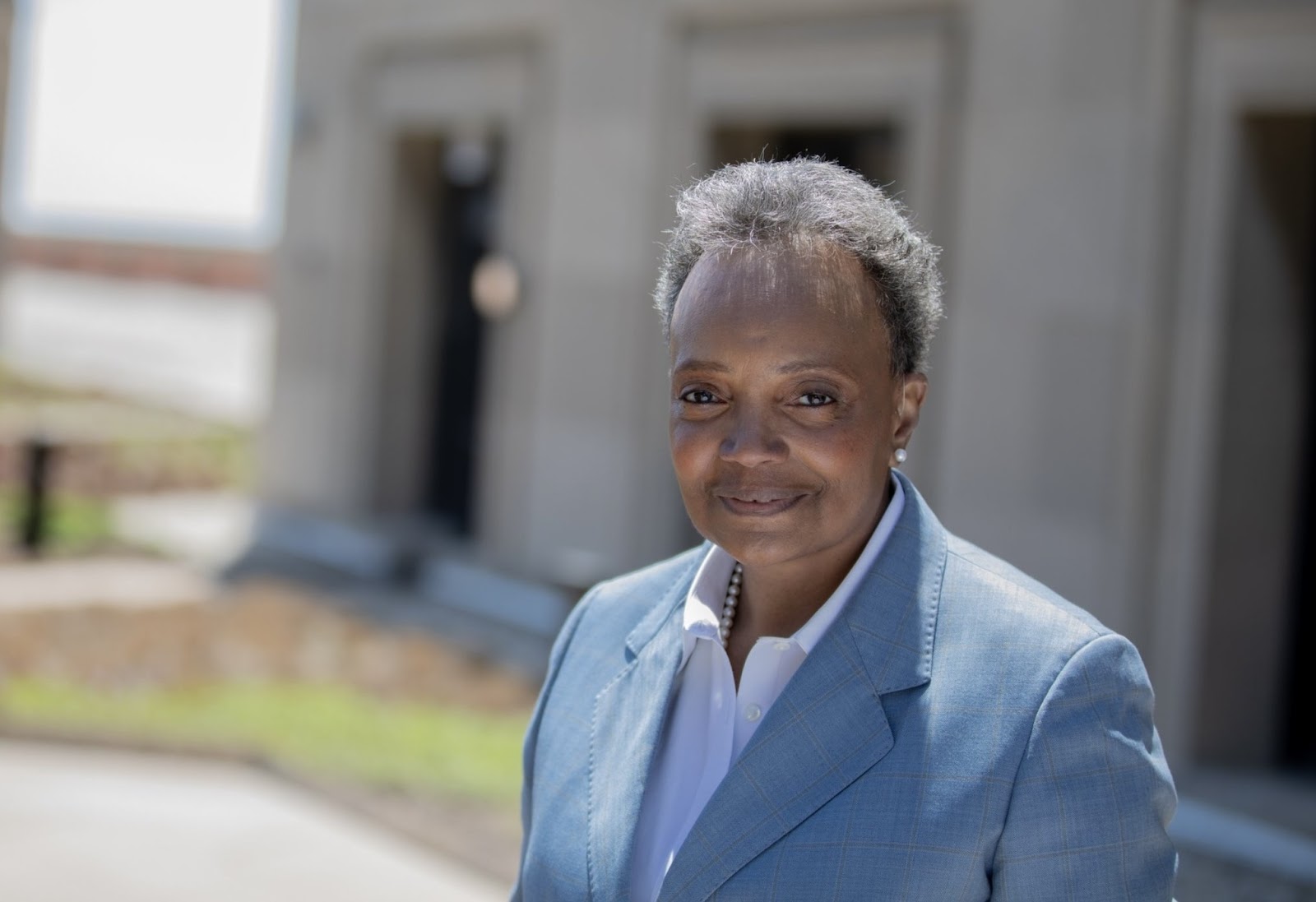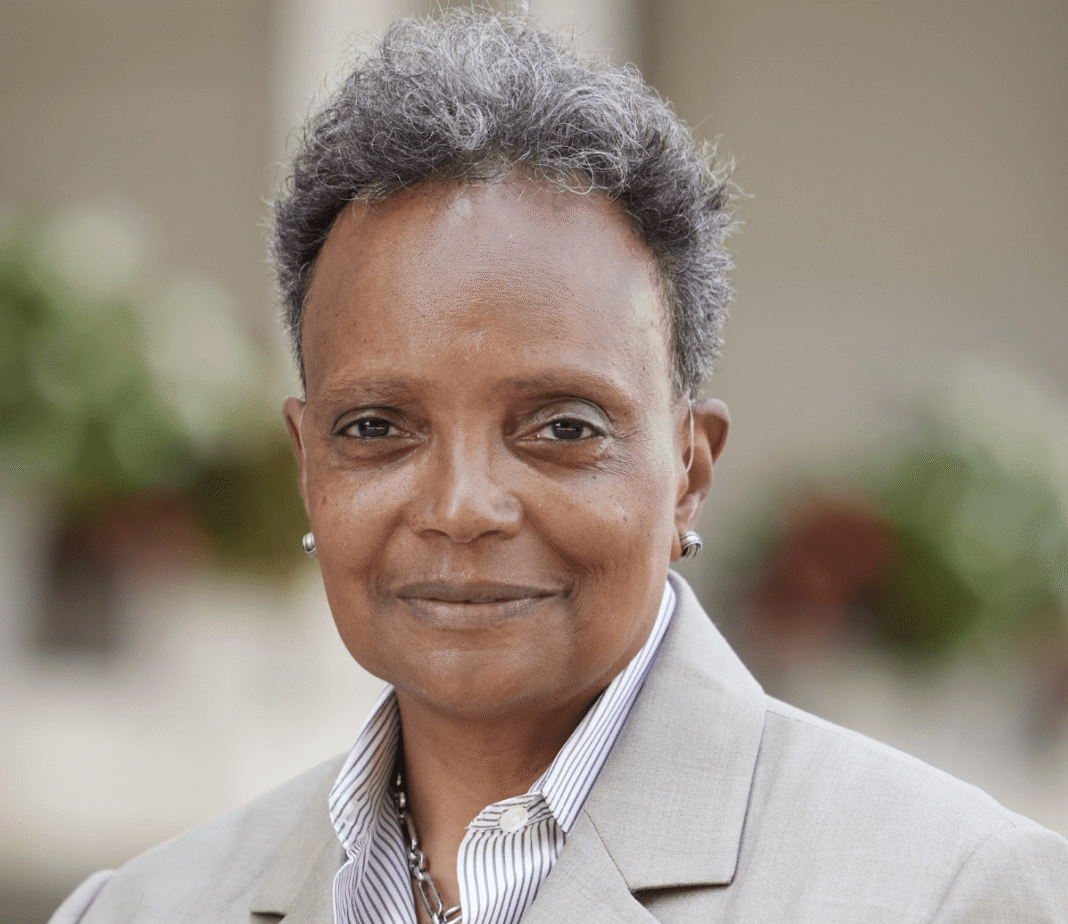

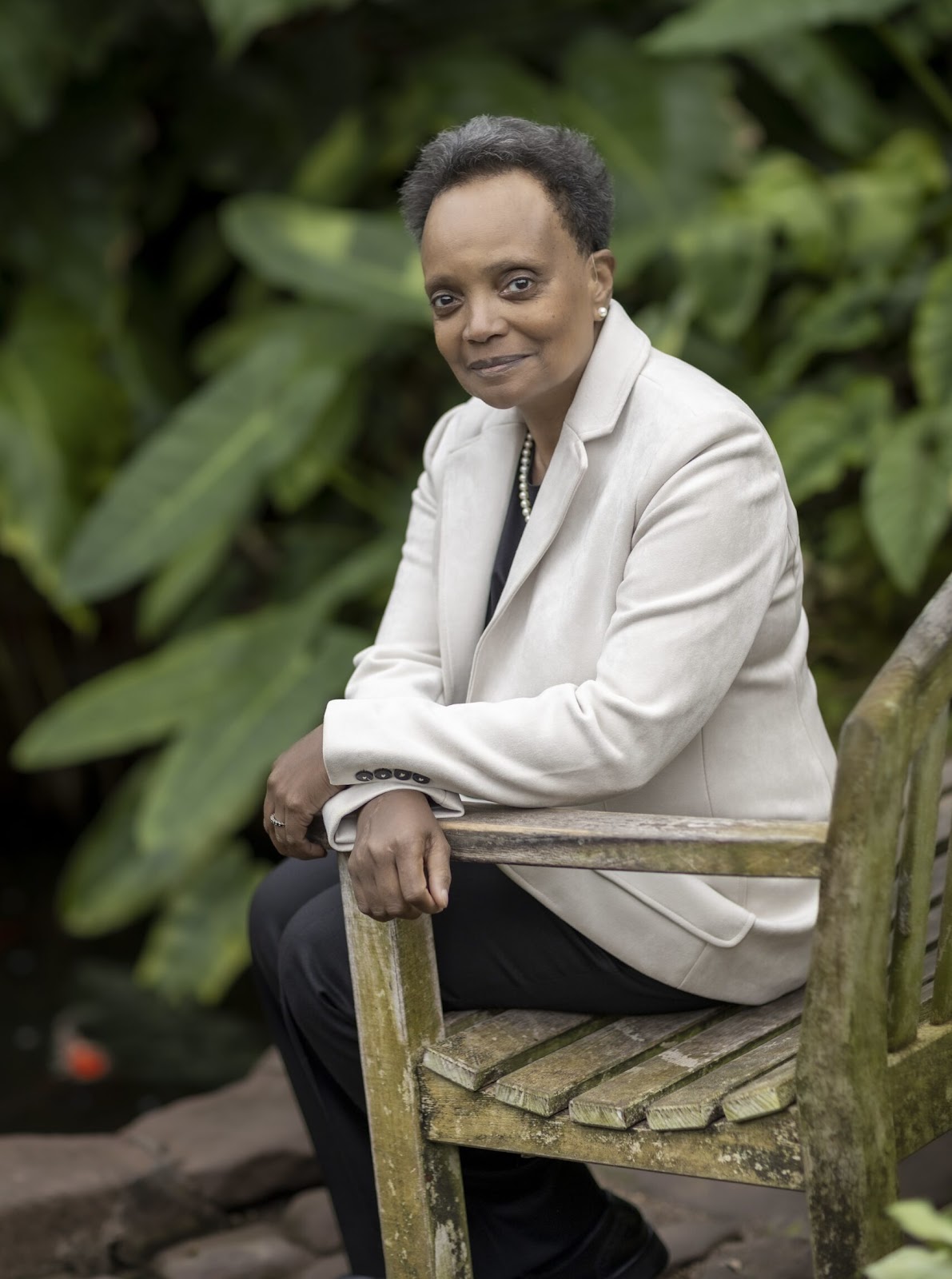
In 2019, an American politician, lawyer, and community activist made history by becoming Chicago’s first female, first African American, and first openly lesbian mayor. Her victory marked the dawn of a new era in the political landscape of one of the largest U.S. cities. Dive deeper into the major political scandals and corruption in Chicago and Illinois that regularly rock public life. Find more on chicago-yes.
Biography
Lori Lightfoot was born on August 4, 1962, in Chicago to an African American family. She grew up in the city’s South Side, an area traditionally marked by significant socioeconomic challenges. These circumstances profoundly shaped her worldview and fueled her drive to work for societal change. Lightfoot pursued her education at one of the most prestigious institutions, the University of Chicago. Her academic background included an in-depth study of criminal law, civil liberties law, and public administration, forming the foundation for her future professional career.
After graduating, Lightfoot began her legal career, focusing on criminal cases and public safety. She worked as an attorney, advocating for the rights of low-income and vulnerable populations. Her high professionalism and persistence quickly earned her a reputation as an effective and honest professional. In the 1990s, Lightfoot started her service in Chicago’s government. She held positions as an advisor in Mayor Richard M. Daley’s administration, where she was responsible for public safety and reforming the law enforcement system. Lightfoot championed increased transparency in police operations and strengthened trust between law enforcement and citizens. In 2015, Lightfoot became the first African American and the first woman to chair the Chicago Police Accountability Task Force. In this role, she actively worked to elevate police standards, implementing innovations in training, discipline, and accountability systems. Her initiatives aimed to reduce instances of misconduct by law enforcement officers and improve relationships between the police and the city’s diverse communities.
Political Ascent
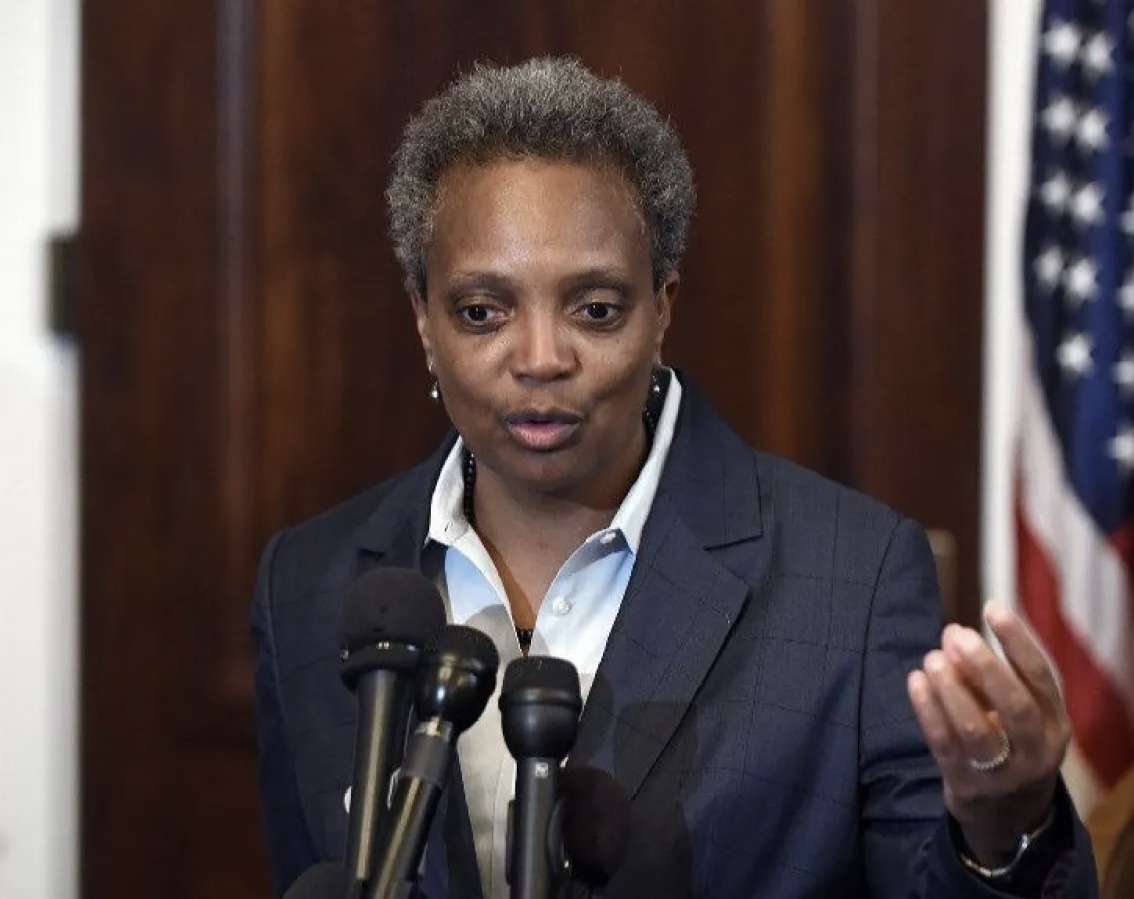
In 2019, Lori Lightfoot took a significant step in her political career, running for Mayor of Chicago. These elections were among the most captivating and open in the city’s history, featuring several prominent political figures with diverse backgrounds and reputations. Lightfoot stood out among the candidates due to her progressive vision, commitment to reform, and unblemished reputation compared to traditional politicians. Her campaign was built on clear promises to combat corruption and promote government transparency, reform the police, improve the public safety system, and advance social justice and economic development. She emphasized the need to revamp Chicago’s political machine, which had been known for decades for its ties to lobbyists, corrupt schemes, and a lack of public trust.
A crucial part of her platform was also creating a more inclusive society that respects the diversity of ethnic, social, and cultural groups residing in the city. Lightfoot focused on addressing issues that had previously been ignored or suppressed: from inequality in education and housing access to reforms in healthcare and employment.
Lightfoot’s victory was historic: she became the first African American, the first woman, and the first openly lesbian individual elected Mayor of Chicago. Her triumph was seen as a sign of change in the city’s political culture and a hope for renewed leadership. This victory also reflected a broader trend in American politics, associated with the rise of progressive and reformist forces seeking to overcome conservative power structures and make politics more transparent and accountable to citizens.
Priorities in Office
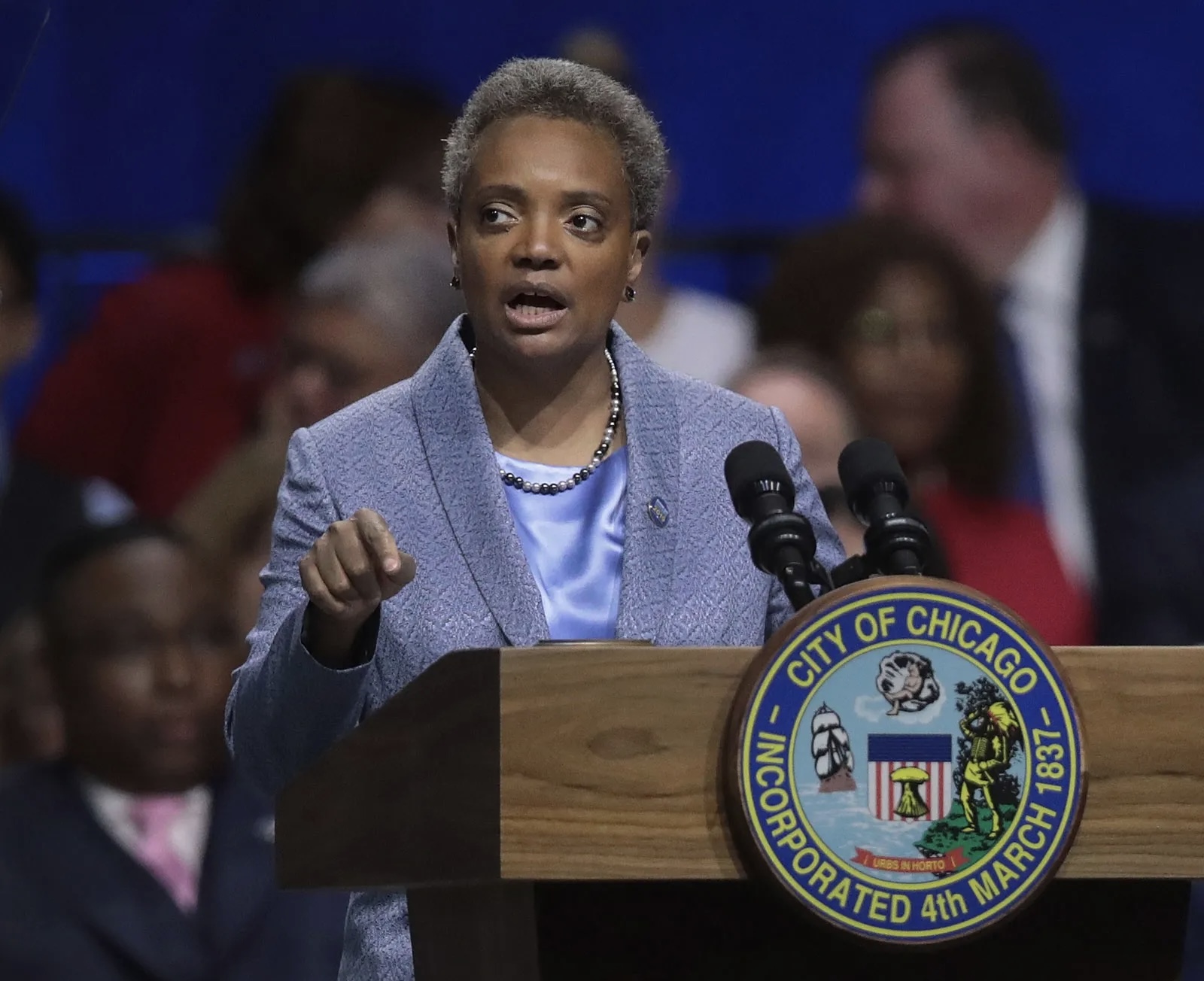
After her inauguration, Lori Lightfoot set an ambitious set of goals that reflected her desire to modernize Chicago and address the challenges the city faced.
One of the central tenets of Lightfoot’s agenda was a large-scale reform of the Chicago Police Department. Amidst numerous scandals involving police brutality and human rights violations, the mayor actively promoted the creation of independent oversight bodies for law enforcement. Mechanisms for greater accountability and transparency were introduced, including expanding the role of civilian oversight committees. Lightfoot also emphasized the need to review use-of-force procedures and enhance training in human rights and de-escalation for police officers.
Lightfoot paid particular attention to the socio-economic issues threatening the city’s stability. She initiated infrastructure development programs in underserved neighborhoods aimed at improving housing, education, and healthcare. One key focus was encouraging small businesses through tax breaks, grants, and training programs. Creating new jobs, especially for youth and minority groups, became a vital element of her administration’s economic policy.
One of the reasons for Lightfoot’s election was her determination to tackle long-standing issues within city government related to corruption and cronyism. She initiated reforms to increase transparency in municipal operations, implementing digital platforms for open access to information on budget expenditures, tenders, and personnel appointments. Restoring public trust through efficient and honest governance became a top priority during her tenure.
Lightfoot viewed the environmental component as a crucial aspect of Chicago’s sustainable development. She supported the development of “green” technologies, including energy efficiency and transitioning to renewable energy sources in municipal facilities. Under her leadership, public transportation infrastructure significantly improved, contributing to a reduction in harmful emissions. Significant attention was also given to creating new green spaces, developing bike paths, and measures to combat urban pollution.
Criticism
One of the most pressing issues was the rising crime rate in Chicago. Despite implementing police reforms, residents expressed concerns about safety, and political opponents used this as an argument against her policies, accusing Lightfoot of insufficient resolve. Disputes with police unions also caused significant tension. Reforms aimed at strengthening oversight of law enforcement actions and limiting the use of force met resistance from some police officers. Negotiations and confrontations between the mayor’s administration and the unions sometimes threatened to derail important reforms and created additional political pressure.
Another serious challenge was internal political conflicts within the Chicago City Council. Disagreements between various factions, frequent compromises, and complex negotiations significantly slowed down decision-making, especially on key issues like the budget, infrastructure development, and social programs. The unexpected and most serious challenge was the COVID-19 pandemic, which erupted early in her term. Lightfoot had to quickly adapt the city’s governance system to emergency conditions, coordinate quarantine measures, and ensure medical resources and support for the most vulnerable populations.
Learn more about the story of con artist Joseph Weil, who became a Chicago legend through his cunning schemes.