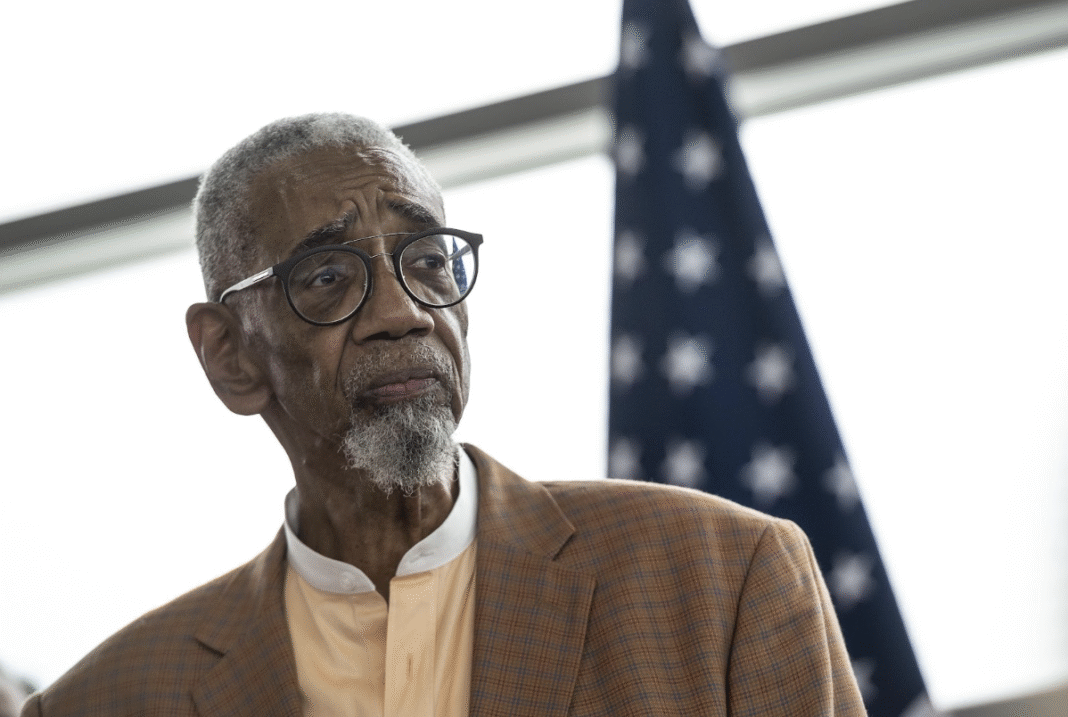

An American politician and community leader, Bobby L. Rush long represented Illinois’ 1st congressional district in the U.S. House of Representatives. He’s renowned for his staunch advocacy for the African American community, his fight for social justice, and his extensive political career. Dive into the story of Rahm Emanuel, another prominent Chicago politician, and key moments from his career. Learn more at chicago-yes.
Biography
Bobby Lee Rush was born on November 23, 1946, in Jackson, Mississippi, into a family grappling with the harsh realities of racial segregation and social inequality in the American South. Seeking a better life, his family relocated to Chicago, one of North America’s largest urban centers. He grew up in a working-class neighborhood, confronting the challenges of poverty and discrimination firsthand. From a young age, Rush demonstrated a strong commitment to civil action. In the 1960s, at the height of the Civil Rights Movement, he actively participated in numerous protests and demonstrations aimed at dismantling racial inequality and fighting for equal rights for African Americans. This experience profoundly shaped his worldview and laid the groundwork for his future political endeavors. Alongside his activism, Bobby pursued education and spiritual growth, attending local Chicago schools before choosing a path of service as a Baptist pastor. This allowed him to merge his religious calling with his pursuit of social justice, becoming a powerful voice for his community during challenging times. His early life was defined by the struggle against inequality, a drive for change, and a deep belief in the power of community, all of which would become cornerstones of his long and impactful political career.
Political Career
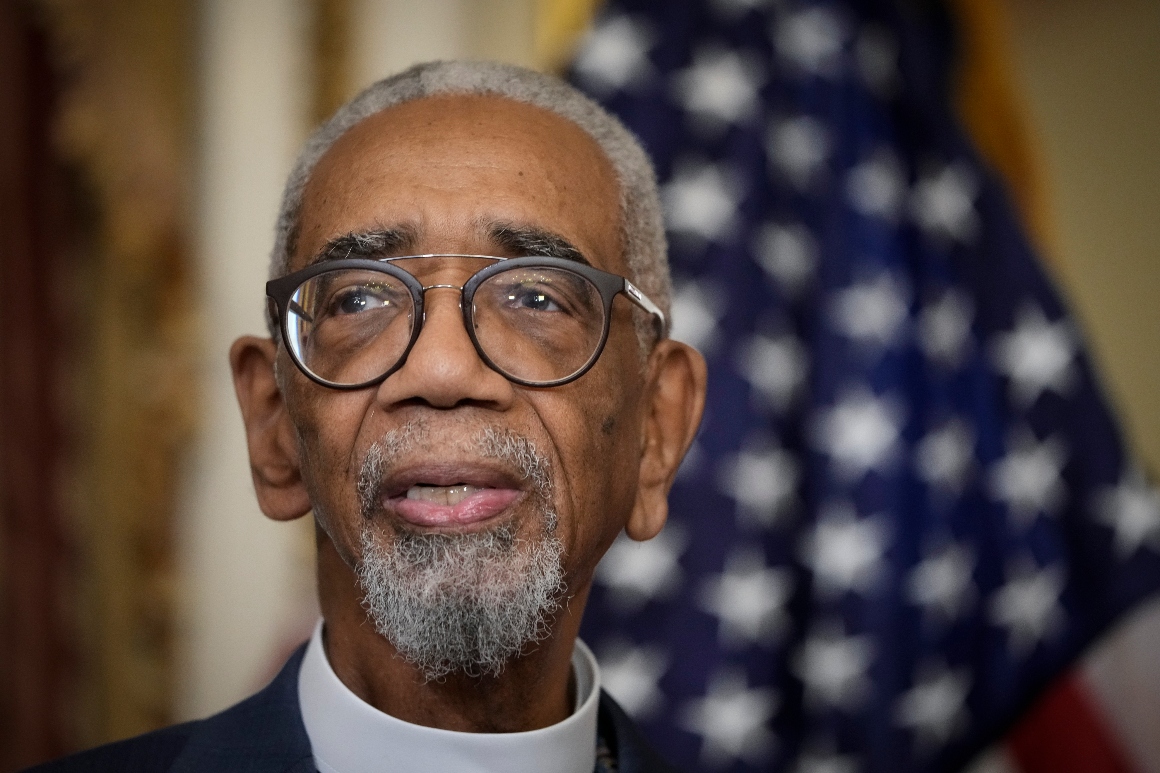
Before launching his national political career, Bobby Rush served as a Baptist pastor in Chicago. This role provided him with a unique understanding of the social and economic struggles faced by local communities, particularly African Americans and low-income populations. His pastoral work not only honed his leadership skills but also served as a platform for active engagement in community life.
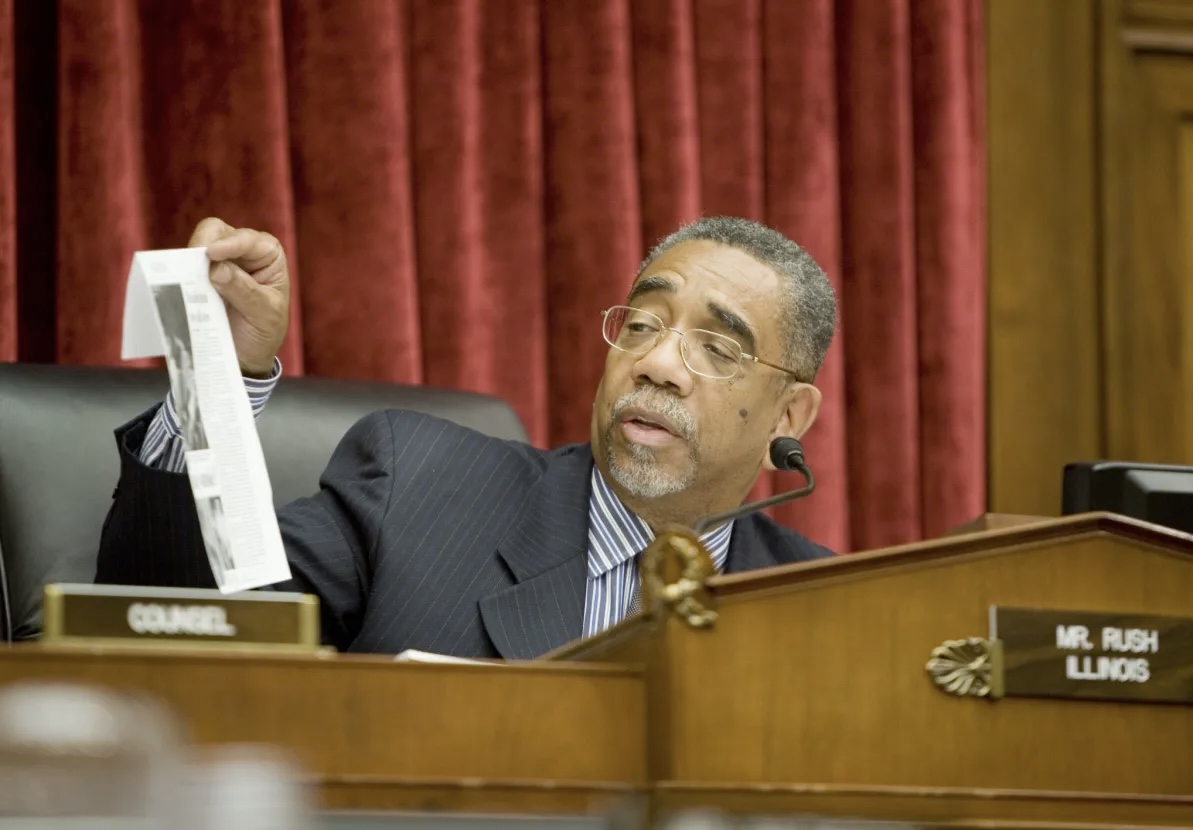
In 1992, Rush was first elected to the U.S. House of Representatives for Illinois’ 1st congressional district, which covers a significant portion of Chicago’s South Side. He was consistently re-elected to this position, a testament to the strong trust of his constituents and the effectiveness of his work in the district.
As a congressman, Bobby Rush focused on several key areas. He vigorously advocated for racial and economic equality, supporting legislative initiatives aimed at improving the living conditions for minorities and working-class families. Rush was a leading voice in the fight to humanize the criminal justice system, particularly pushing for the abolition of discriminatory practices and better prison conditions. He championed increased funding for public schools and healthcare programs, including accessible medical services for the poor and seniors. The congressman actively worked on laws protecting the rights of Latino Americans, African Americans, and other ethnic groups, and promoted greater minority participation in political and public life. Throughout his political career, Rush established himself as a principled champion of justice, capable of uniting diverse social groups around the ideals of equality and respect for human rights.
Key Areas of Focus
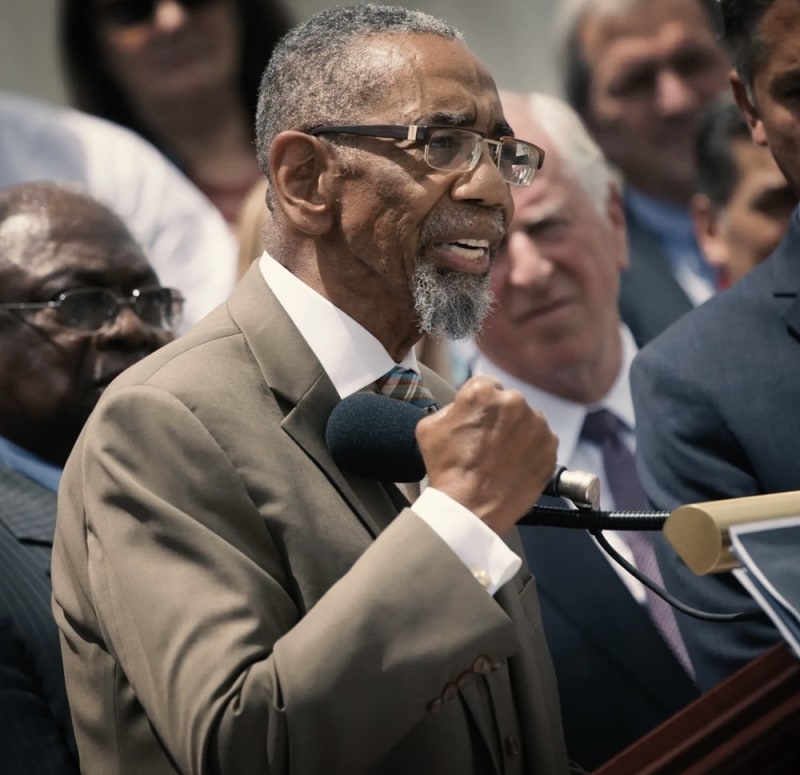
Bobby Rush was one of the most ardent proponents of criminal justice reform in the U.S. He advocated for reducing mass incarceration, which disproportionately affected African Americans and other minority groups. Rush supported legislative initiatives aimed at easing harsh penalties for non-violent offenses, as well as improving prison conditions, particularly regarding human rights and rehabilitation programs. He emphasized the importance of reintegrating formerly incarcerated individuals into society to reduce recidivism rates.
As one of the leading African American politicians in Congress, Rush fought to overcome racial discrimination in all aspects of life. He actively supported legislative initiatives designed to ensure equal opportunities in employment, education, housing, and voting. Rush advocated for stronger federal oversight of civil rights compliance and promoted programs intended to expand African American participation in the political process. Rush placed significant emphasis on supporting education and healthcare for low-income and vulnerable populations in his district and across the nation. He championed increased funding for public schools, teacher training programs, and investments in modernizing educational infrastructure. In healthcare, Rush supported expanding access to medical services, especially for seniors and low-income families, and initiated programs for disease prevention and mental health support.
Support for labor unions and the protection of workers’ rights were among Rush’s top priorities. He advocated for raising the minimum wage, ensuring safe working conditions, and combating workplace discrimination. Rush also supported legislative initiatives to expand social safety nets for workers, including access to health insurance, paid leave, and retirement benefits.
Legislative Initiatives
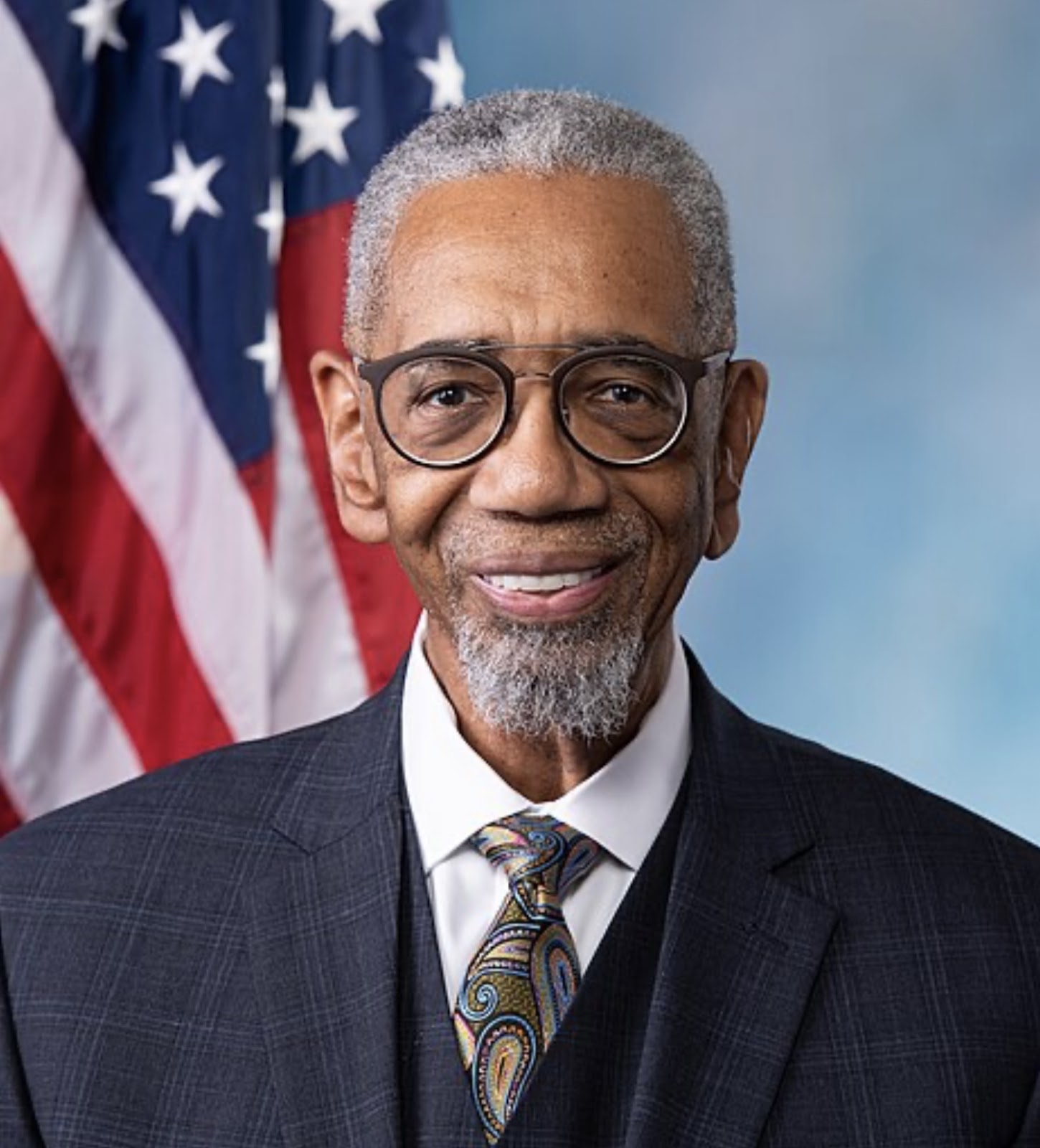
Bobby Rush was an active member of several important committees in the U.S. House of Representatives, allowing him to effectively advance his priorities:
- Energy and Commerce Committee: Here, Rush worked on issues related to healthcare, consumer rights, and telecommunications. He helped craft laws that expanded access to medical services for underserved populations, particularly through Medicaid and Medicare programs. He also supported legislative measures aimed at combating the opioid epidemic and improving disease prevention.
- Intelligence Committee: On this committee, Rush focused on national security matters and the protection of civil liberties in the context of government oversight. He advocated for a balance between security and the preservation of constitutional freedoms.
- Criminal Justice Reform Initiatives: Rush was a co-sponsor and active supporter of bills like the “First Step Act,” a significant reform aimed at reducing prison sentences for non-violent offenses, expanding rehabilitation programs, and improving conditions for incarcerated individuals.
- Civil Rights Support Bills: Rush backed a range of laws combating discrimination based on race, gender, and other characteristics. Notably, he was instrumental in advancing legislation that protected voting rights, countered electoral restrictions, and increased minority participation in the political process.
- Infrastructure Development Initiatives: Rush also worked on projects that funded the modernization of transportation and social infrastructure in Chicago and other cities, supporting investments in public transit, housing development, and improvements to urban services.
Political Impact
Rush’s political influence extended beyond his district. As one of the leading African American figures in Congress, he played a pivotal role in shaping national policy, especially in areas of racial equality, criminal justice reform, and healthcare. His voice carried significant weight within the Democratic Party, where he supported both progressive and moderate initiatives, aiming to unite diverse societal groups. Rush’s impact was also felt keenly in Chicago – he actively backed political allies at the local level, fostered the development of community programs, and built a network of support that strengthened the Democratic Party’s position in the region.