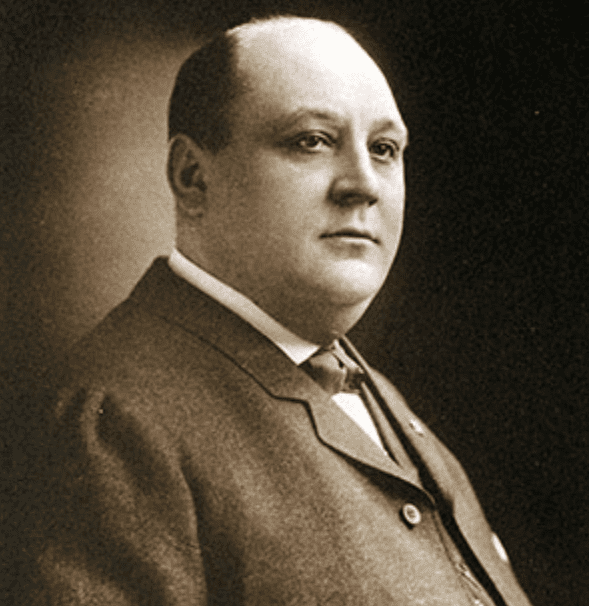

In the 21st century, Chicago is a rich cultural and industrial center of the United States. It has an incredibly rich history. It’s been shaped over the years by prominent political figures, artists, and many others. Among them was a politician, Fred A. Busse. He left his mark on the history of how Chicago developed and became known. Busse was the 39th mayor of Chicago and served for four long years. Was Busse a good mayor for Chicagoans? What made him famous? Read more at chicago-yes.com.
How did Fred Busse come to power?
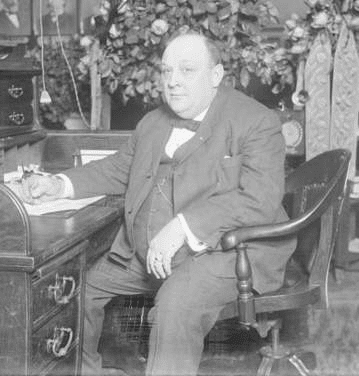
Busse was a businessman who later chose a political career. His activities made him a key figure in the Chicago political scene in the early 20th century. Busse was born in Chicago in 1866. His rise to power was due to his affiliation with the Republican Party and his vast experience in city government. The man had a difficult path before he took the mayoralty, namely:
- In 1894 and 1986, Busse was a Republican leader elected to the Illinois House of Representatives.
- In 1898, he was elected to the Illinois State Senate.
- Busse had served as Illinois State Treasurer since 1902.
- In 1905, the man served as postmaster of Chicago.
Busse held the position of mayor of Chicago from 1907 to 1911.
Progressive politics and urban development
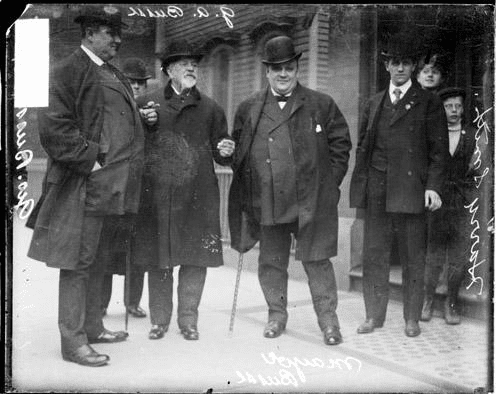
Busse’s tenure as mayor coincided with rapid urbanization and industrialization. He championed improving public services and infrastructure. Notably, Busse led initiatives to expand the city’s transportation network. He focused on developing an efficient tram system. Busse also strongly supported the Plan of Chicago, which included:
- embankment
- constructing a regional highway system
- improving railway stations
- new parks
- street repaving
- creating community and cultural centers.
Busse initiated the Chicago Plan Commission. It consisted of over 300 members. The Commission had to implement and promote the Plan of Chicago.
Was Busse a good mayor?
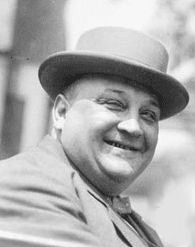
Despite his small achievements, Busse is mostly remembered in Chicago’s history as an inactive mayor. During his tenure, he turned a blind eye to the spread of corruption and organized crime in the city. Prior to that, Busse was personally associated with some representatives of organized crime in Chicago. He was their political ally.
Busse’s inaction on the growing crime rate led the public to form anti-crime groups in Chicago on their own. They sought to overcome crime and corruption and cleanse the government of criminal and inactive political leaders.
Public pressure soon became so intense that Busse had to resign as mayor in 1911. But he decided not to stop there. In the same year, he ran for mayor of Chicago again. As a result, Busse lost the 1911 election race to Democrat Carter Harrison Jr. Three years later, Busse’s heart stopped beating.
Although the man pursued progressive policies as mayor of Chicago, his inaction on corruption and growing crime in the city undid all his good deeds. In the 21st century, the name of the 39th mayor of Chicago, Fred Busse, remains very controversial in Chicago’s history.