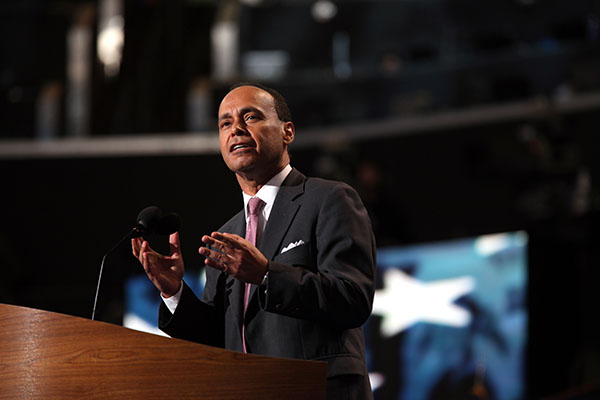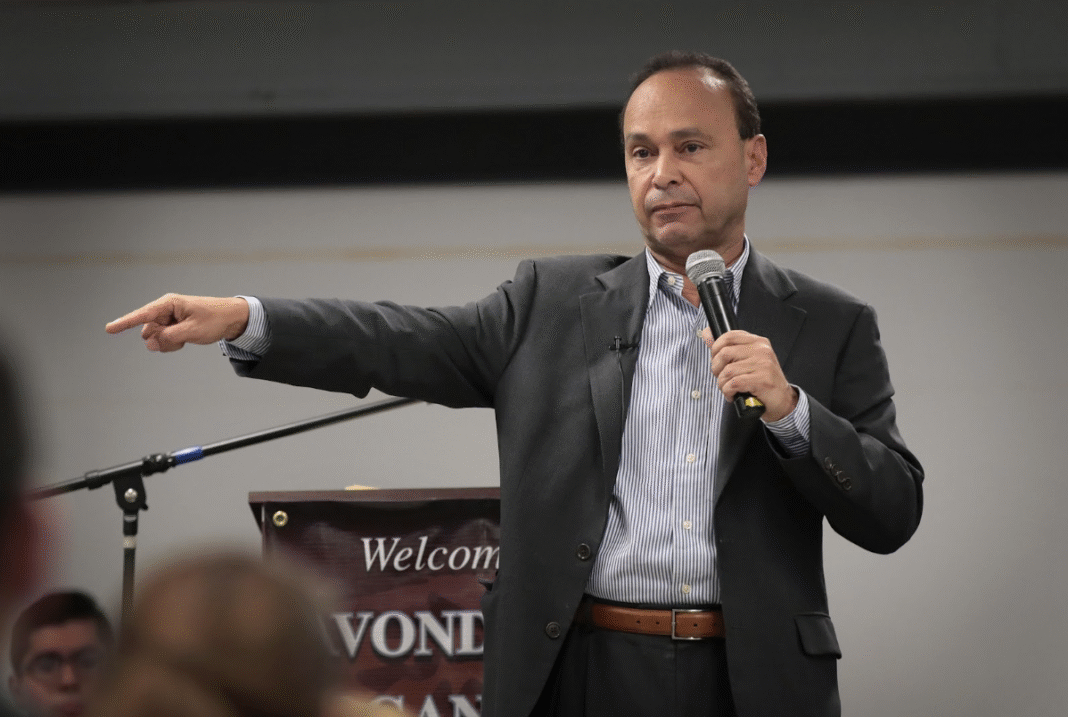

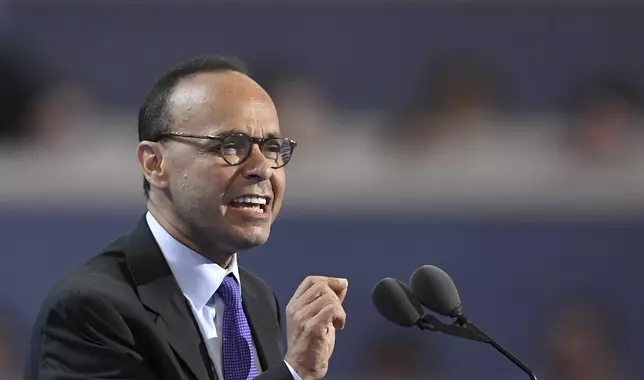
An influential Illinois congressman, he represented Chicago in the U.S. House of Representatives for over two decades. He’s widely recognized as a staunch advocate for immigrant rights and social justice, and as a powerful voice for the Latino community in national politics. Gutiérrez’s career is a testament to his fight for equality, the development of working-class neighborhoods, and unwavering support for Chicago’s diverse population. Learn more about the struggle for African American rights in Chicago. Find out more at chicago-yes.
Biography
Luis Gutiérrez was born on December 10, 1953, in Chicago, Illinois, to Puerto Rican immigrants who moved to the city seeking better opportunities. He grew up in a working-class Chicago neighborhood, where he witnessed firsthand the challenges and hardships faced by immigrants and the working class. These early observations shaped his deep understanding of social inequality and fueled his desire to fight for the rights of the oppressed.
Gutiérrez attended local schools and later enrolled at the University of Illinois Urbana-Champaign, where he majored in political science and law. During his studies, he was actively involved in student movements, advocating for the rights of Latino youth and expanding opportunities for minorities. These formative years laid the groundwork for his subsequent political career, where he aimed to transform his community through legislative initiatives and grassroots activism.
Luis Gutiérrez has been married to Soraida Gutiérrez for over 40 years. Their marriage exemplifies a partnership built on shared beliefs, unwavering support, and mutual respect. Soraida often accompanied her husband during election campaigns and public events, always preferring to remain out of the direct political spotlight. She focused on raising their children while also backing her husband’s social initiatives. The couple has two daughters, Omara and Jessica. For Gutiérrez, family wasn’t just a personal matter—it became a symbol of the America he championed: a nation of opportunity, equality, and justice. In his speeches, Gutiérrez frequently shared personal anecdotes, like how he balanced community activism with family responsibilities as a young father. He often stated that his love for his wife and daughters inspired him to persevere through the toughest political periods.
Political Career
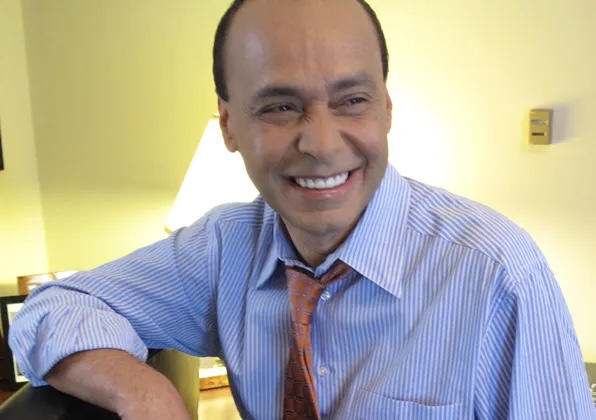
Luis Gutiérrez began his political career in the 1980s, working within Chicago’s city government, where he gained valuable experience in local governance and community initiatives. His early efforts were deeply rooted in supporting the rights of workers, immigrants, and ethnic minorities, quickly making him a notable figure in local political circles.
In 1993, Gutiérrez was elected to the U.S. House of Representatives for Illinois’ 4th congressional district, which encompasses large parts of Chicago with a significant Latino population. This victory marked the beginning of his nearly three-decade tenure in Congress, during which he earned a reputation as one of the country’s most influential Latino politicians. Throughout his time in Congress, Gutiérrez actively championed issues like immigration, education, healthcare, and human rights. He initiated and supported numerous legislative efforts aimed at protecting immigrant rights, improving living conditions for the working class, and bolstering social justice. Gutiérrez is also known for his crucial role in advocating for U.S. immigration policy reforms, particularly in fighting for legalized status for millions of undocumented migrants.
Thanks to his strong civic engagement and ability to build broad coalitions, Luis Gutiérrez became not just a representative for his district but also the voice of the Latino diaspora in national U.S. politics. His work in Congress significantly shaped the political landscape of Chicago and the entire nation.
Areas of Focus
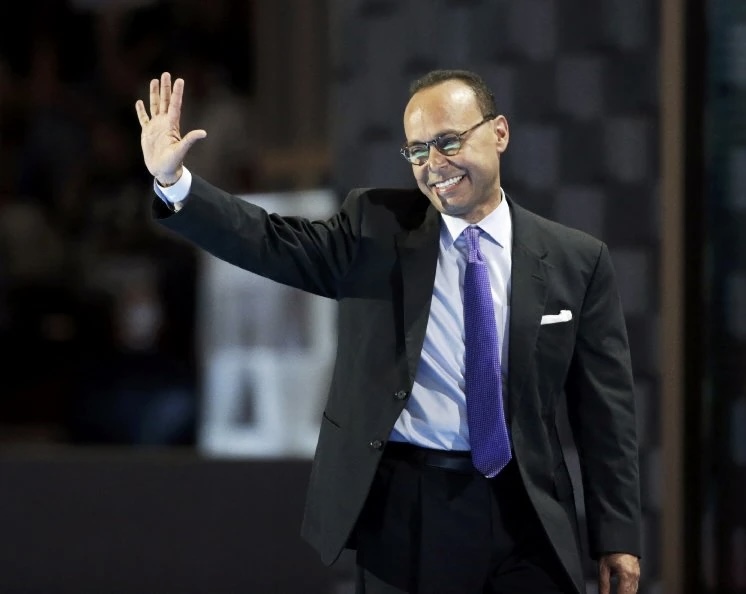
Luis Gutiérrez was one of the leading voices in Congress on immigration issues. He tirelessly worked to reform U.S. legislation, advocating for a more humane and just system that would provide a path to legalization for millions of undocumented immigrants. His efforts focused on protecting immigrant rights, supporting their social integration, and ensuring equal opportunities for education, employment, and access to healthcare. Gutiérrez viewed immigration as a vital resource for the country’s economic and cultural development and repeatedly condemned discrimination and oppression based on ethnic origin. Beyond immigration, Gutiérrez actively championed education as a key tool for social mobility. He initiated and supported programs aimed at expanding access to quality education for children from low-income and immigrant families, including investments in schools and scholarship programs.
In healthcare, Gutiérrez advocated for improved medical services, especially for vulnerable populations. He supported expanding access to health insurance, as well as programs for preventing and treating chronic diseases in urban communities.
Luis also dedicated attention to the economic development of his district. He helped attract investments in urban infrastructure, supported the growth of small businesses, and facilitated the creation of new jobs, particularly in areas with high unemployment rates. His efforts aimed to raise the living standards of the working class and combat social inequality.
Gutiérrez was a primary author and co-sponsor of several bills that sought to streamline the legalization process for undocumented immigrants, protect the rights of migrant workers, and fight discrimination. He was a vocal supporter of the DREAM Act—a bill designed to provide a pathway to U.S. citizenship for immigrant students.
Throughout his career, Gutiérrez faced opposition from conservative politicians and challenges in unifying a large and diverse community. However, his persistence and ability to foster dialogue allowed him to maintain strong support across many election cycles.
Impact on the Community
For decades, Luis Gutiérrez remained a key figure in the political life of Chicago and the entire nation, serving as a powerful voice for the Latino community. He successfully united the interests of various ethnic and social groups, forming broad coalitions in support of social justice, human rights, and economic development. Through his consistent and tireless work in Congress, Gutiérrez became a symbol of the fight for equality and minority rights, helping millions of immigrants gain legal status, social protections, and access to opportunities.
Luis Gutiérrez’s legacy extends beyond the laws he helped pass; it lies in creating a political space for the Latino community in the U.S. He inspired new generations of leaders and activists to fight for justice and inclusion. His name and example remain a crucial benchmark in the ongoing struggle for minority rights and social equality in contemporary American politics.
In 2019, Luis Gutiérrez chose not to seek re-election to Congress. He explained his decision by citing a desire to spend more time with his family and engage in community activism outside of Washington. He moved to Puerto Rico, where he continues his active work as a public figure. This step vividly demonstrated his life’s priorities: after long years of public service, he prioritized the people who had been with him all those years—his family.
Discover Anna Chlumsky – the Chicago actress who conquered Hollywood.