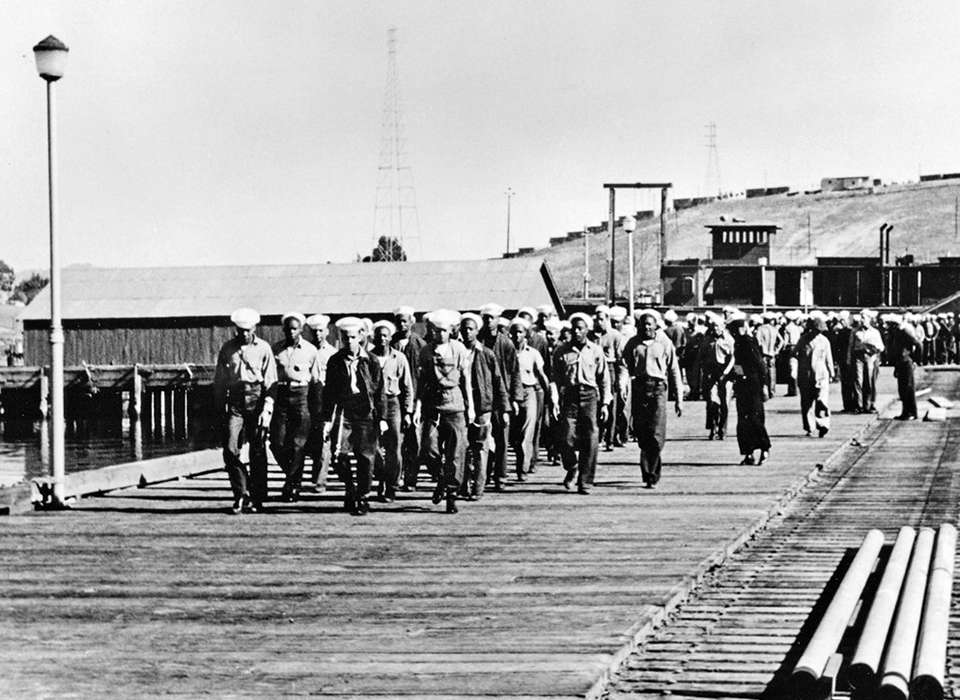

During World War II, Chicago was one of the largest suppliers of weapons and other goods for the military. Women and retirees who remained in the city were mobilized to work in war factories. The end of the war necessitated a transformation of all spheres within the city. As reported by «chicago-yes».
The War and the Recruit Training Center
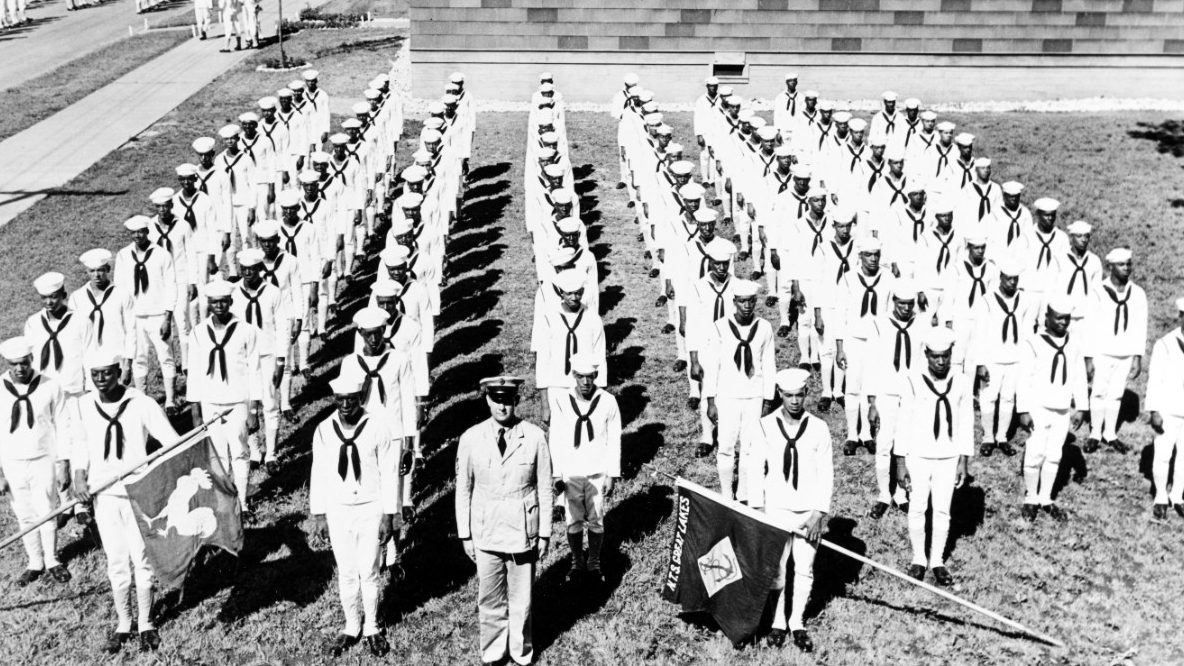
With the declaration of war, many Chicago residents joined the military. Thousands of servicemen passed through the city, either heading to their assignments or training at the naval base.
The Recruit Training Center was initially opened during World War I. However, with the start of World War II, the number of trainees at the center surged significantly. By 1945, nearly a million sailors had undergone training at the naval base.
In 1945, the state of Illinois officially registered 1,954,000 men of conscription age. Out of these, 629,000 were drafted into military service, and another 300,000 volunteered. Statistics show that 17,000 men were either killed in action or suffered fatal injuries.
After World War II ended, hundreds of servicemen were assigned as boat drivers in Chicago, as buses and trains were overwhelmed with returning troops.
The City’s Economy Before and After the War
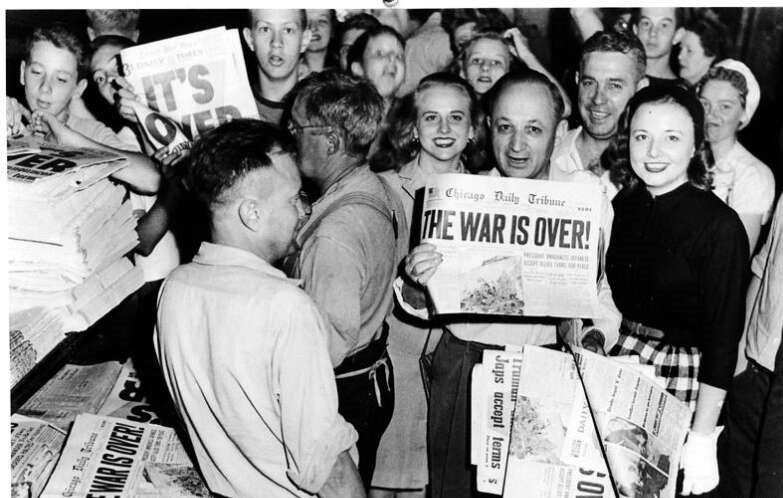
Chicago was home to a Caterpillar Inc. factory that produced earth-moving equipment. Allies of the United States began using this equipment as soon as the war began. With the enactment of the Lend-Lease program, production volumes skyrocketed. Bulldozers from Caterpillar Inc. became critical on the front lines, helping build airstrips and clear battle zones of debris.
Following the U.S. entry into the war, Chicago’s factories quickly ramped up production. Initially, Caterpillar Inc. supplied small parts for military equipment, like howitzer tracks and tank transmissions.
Later, Chicago factories received orders from the Department of Defense to produce track tractors and graders. The scale of production was enormous.
Economic growth continued until the 1960s. After that, Chicago’s economy no longer developed at a rapid pace but remained stable. The city managed to maintain its industrial base and continued to be a hub of trade and exhibitions. After the war, Chicago’s economy transformed; businesses shifted away from producing military equipment and goods, quickly turning the city into a center for banking and insurance.
The strategic location of Chicago played a significant role in its postwar recovery. To this day, Chicago remains a major transportation hub in the U.S. O’Hare International Airport is one of the busiest in the world, and the city has good connections to major highways, with a significant flow of rail cargo passing through.
In 1959, the St. Lawrence Seaway opened in Chicago, transforming it from a small lake port into an international port, positively impacting the economy.
Causes of the Economic Boom
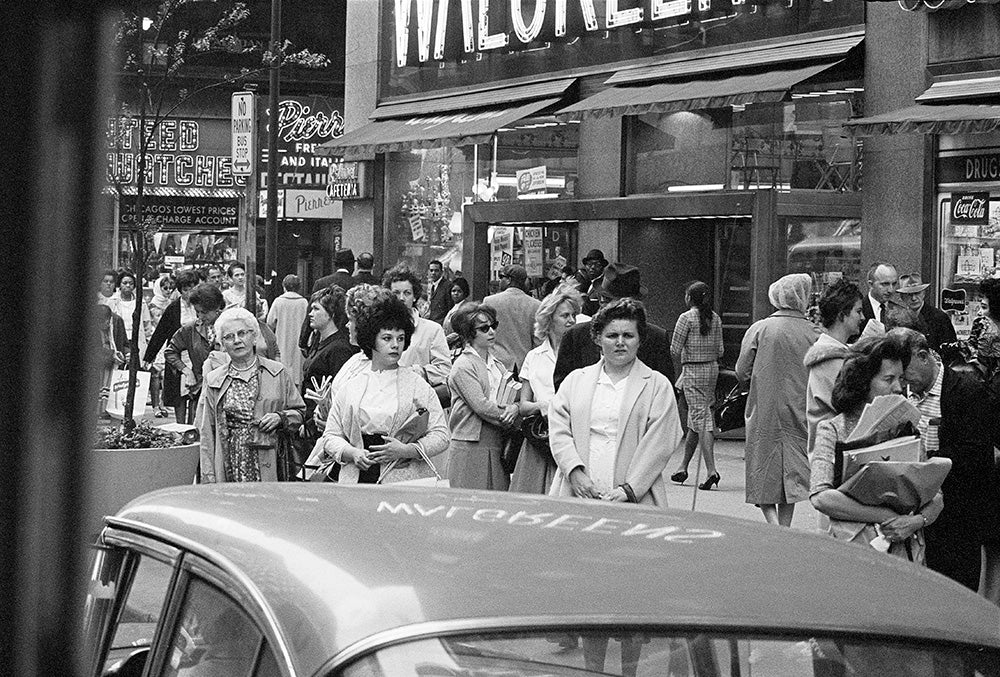
After World War II, veterans and people fleeing from Eastern Europe began arriving in the city, leading to rapid economic growth in Chicago. Large residential complexes were built to accommodate the influx of people.
Many post-war photos of Chicago by street photographers Vivian Maier and Richard Nickel have survived to this day.
The 1950s brought significant changes to Chicago as more residents sought better lives by moving to the suburbs.
Civil Life in Post-War Chicago
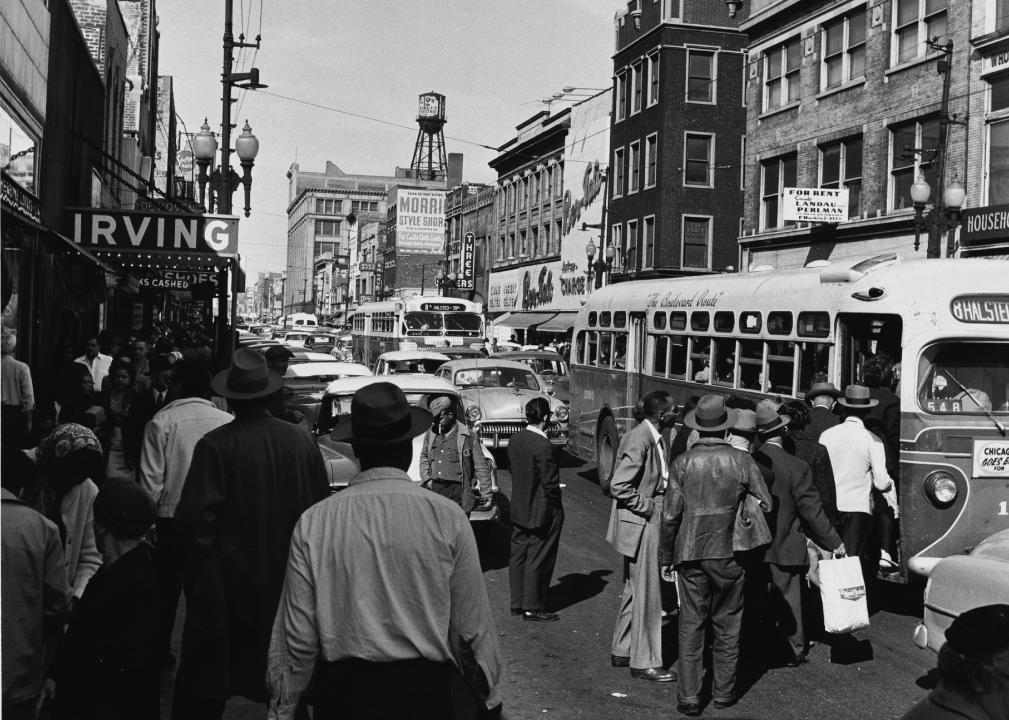
One of the issues residents faced was a critical shortage of civilian clothing. During the war, most factories in the city were focused on producing military uniforms, so it took time to restart civilian clothing production.
Veterans of World War II also needed new clothing, and the market in Chicago was flooded with veterans seeking goods.
A similar situation existed with cars. During World War II, new cars were hardly manufactured, making it a great fortune to buy even a used vehicle. After the war, new cars, such as the Hudson model, gradually appeared on Chicago’s streets.
Many new vehicles lacked certain parts, like bumpers or gear shift knobs, which were in short supply. Chicagoans often bought cars missing minor parts and later purchased the necessary components separately.
On 79th Street, the Steven-Doyle Post of the American Legion was opened in honor of local soldiers who had fallen in the war. Over time, things that reminded people of the war—Victory Gardens, posters, books, and other items—gradually disappeared.
Memorial plaques honoring fallen soldiers, commonly seen on Chicago streets, remained for several years until local authorities eventually removed these wartime echoes. The respect and appreciation for veterans that once existed also began to fade—a reality that many veterans had not anticipated.
The government made efforts to ensure the future of veterans. In 1944, the Servicemen’s Readjustment Act introduced a government unemployment program for veterans, allowing them to receive financial assistance for 52 weeks, enabling them to focus on finding work.
Personal Life of Chicago Residents
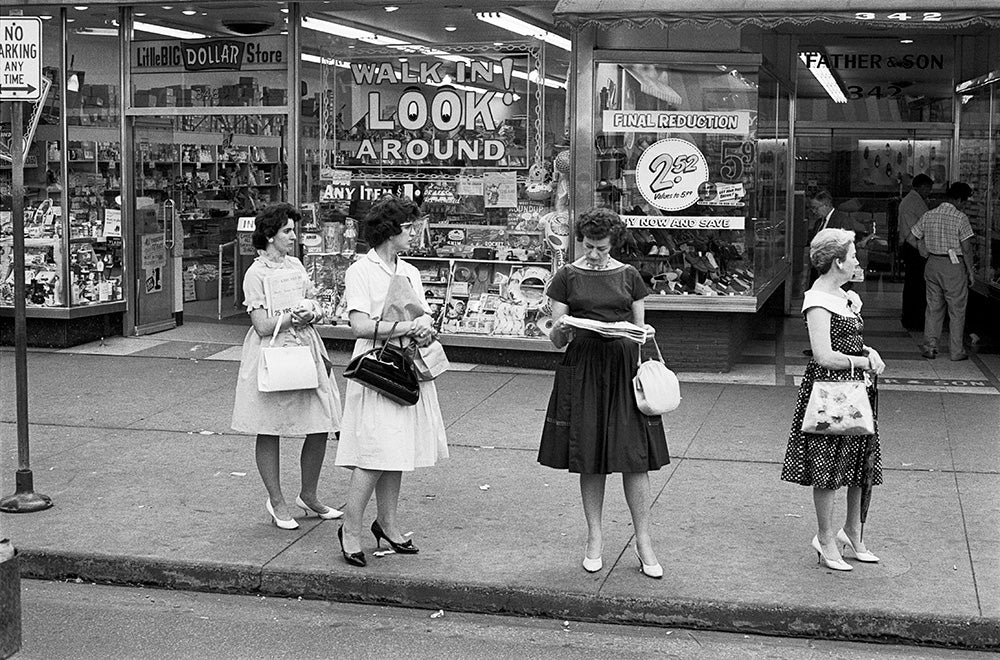
World War II significantly impacted the social lives of young women, who lost opportunities for entertainment and personal relationships, as most men were in military service.
After the war, many men spent their time socializing with friends over drinks, while young women in Chicago sought one thing—to find a worthy partner and get married.
In the pre-war period, women were discouraged from visiting bars, but this taboo gradually disappeared, as bars were one of the few places with a high concentration of men.
Eventually, casual leisure activities took a back seat as veterans began contemplating their futures: whether to find work or pursue education. The University of Chicago offered veterans free testing to help them determine which job best matched their skills and abilities.
However, the job market was crowded with millions of servicemen eager to find work quickly. As a result, many veterans took jobs in steel mills for relatively low wages.
The GI Bill of Rights gave Americans from the middle class an opportunity to attend college, sparking an educational revolution that allowed citizens from various social and age groups to pursue higher education.
In the end, Chicago successfully navigated the difficult periods of war and post-war recovery, preserving certain industries at a high level.