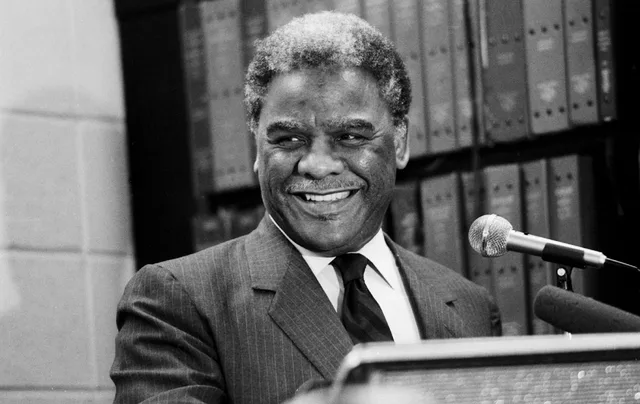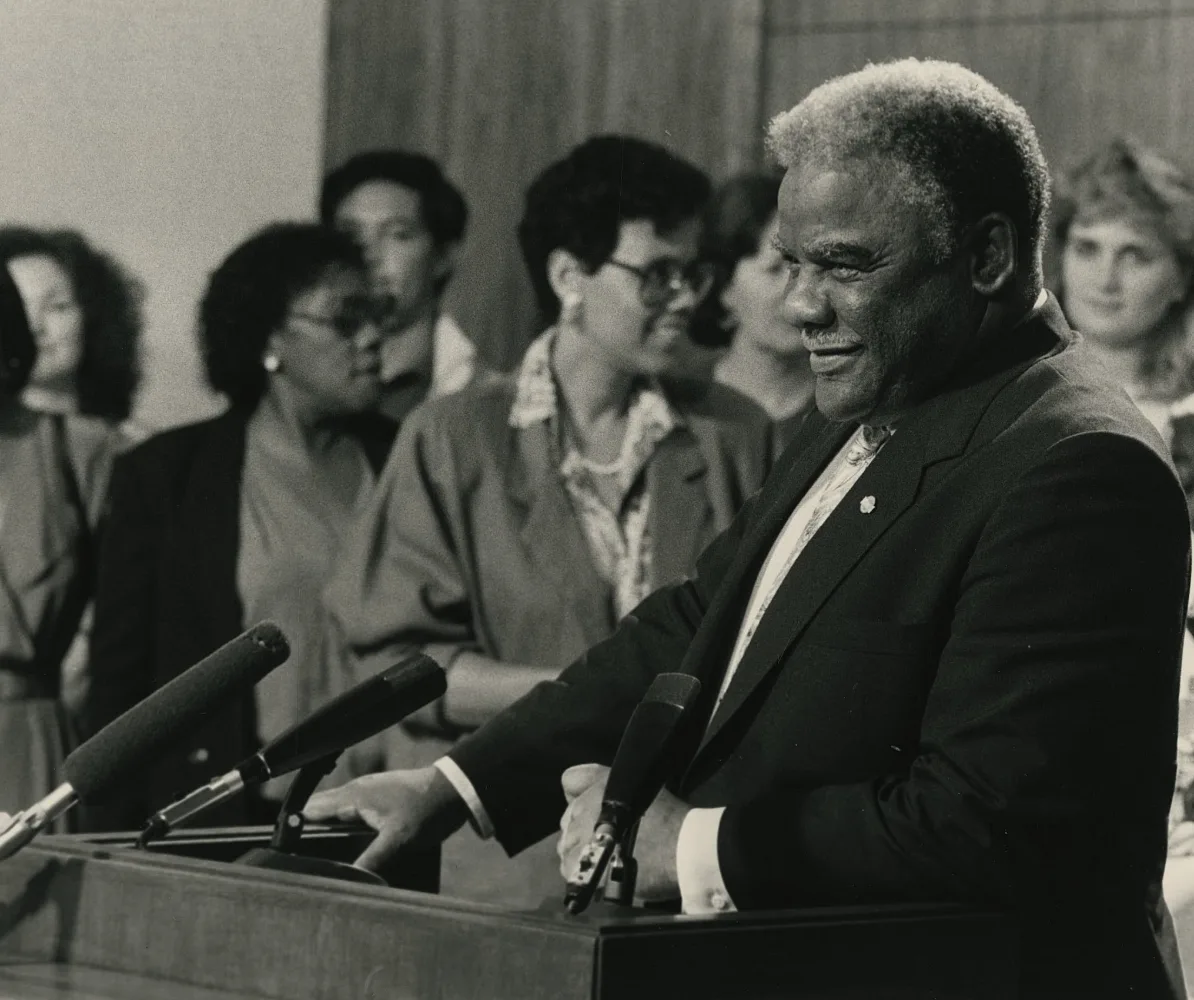
In April 1983, Chicago witnessed a historic political turning point. Harold Washington was elected the first African American mayor of one of the largest cities in the United States. His victory was far more than a routine change in City Hall leadership. It posed a direct challenge to a decades-old system of political influence, where major decisions had long been dictated by the Democratic Party establishment and its vast network of local ward organizations.
The showdown between Harold Washington and his political rivals became one of the most defining chapters in 1980s American urban politics. It brought Chicago’s deep racial, social, and partisan divides out into the open, demonstrated the transformative power of grassroots mobilization, and proved just how difficult it is to dismantle an entrenched machine—even after winning an election. Read more on chicago-yes.
The Chicago Political Machine
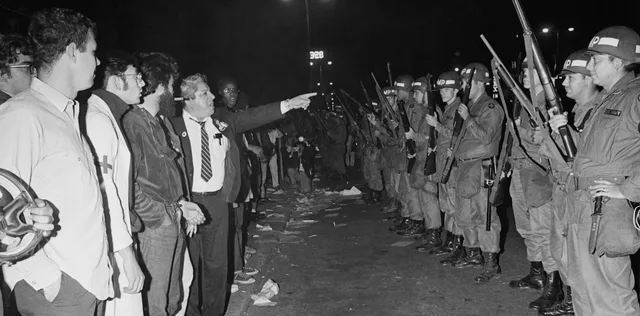
To understand the significance of Harold Washington’s victory, one must look at the landscape of Chicago politics in the mid-20th century. For decades, the Democratic Party held near-total control over municipal governance. Its structure relied on ward committeemen, precinct captains, and a vast patronage army that reliably turned out the vote. While this model enforced strict party discipline and consistently delivered election wins, it concentrated real authority in the hands of a small inner circle.
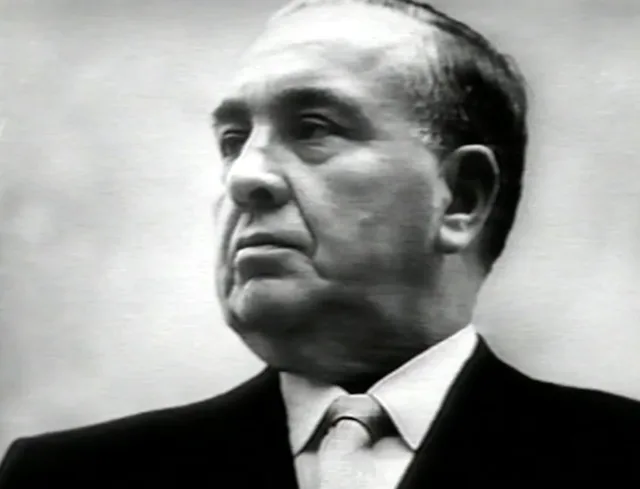
The defining architect of this system was Mayor Richard J. Daley. Under his leadership, the municipal administration and the party organization functioned as a single entity, and machine backing was the essential prerequisite for anyone seeking public office. Washington cut his teeth inside this very environment. He came up through the party ranks, yet frequently clashed with leadership. While serving in the Illinois General Assembly, he championed civil rights and repeatedly broke ranks, refusing to vote in lockstep with machine directives. However, this did not mean a clean break from the party. Instead, Washington sought to harness its electoral mechanics to empower marginalized communities that had long been shut out of decision-making.
Why Couldn't the Mayor Implement His Agenda?
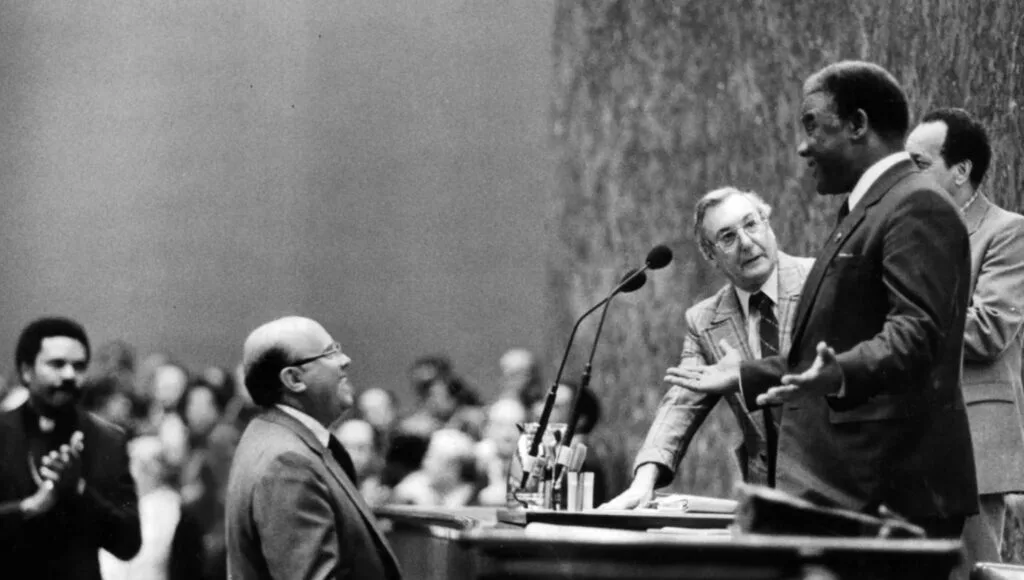
Taking office marked the beginning of the most turbulent chapter of Washington’s mayoralty. While he wielded executive authority, he lacked a working majority in the city council to pass his legislative agenda. The 50-member Chicago City Council was composed of aldermen representing wards across the city, and a solid majority fiercely opposed the new mayor. The resulting gridlock was so combative that it became known as the “Council Wars.”
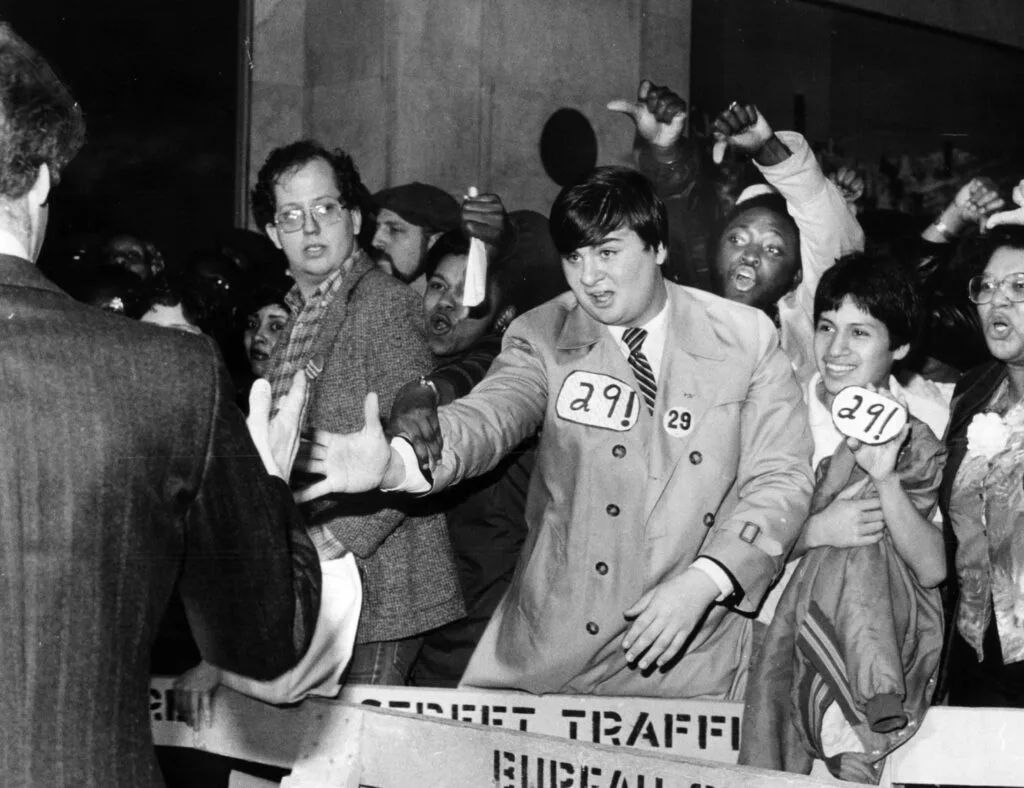
The opposition bloc, known as the “Vrdolyak 29,” united 29 aldermen against the administration. The mayor's fiercest adversaries were Edward Vrdolyak, a dominant party boss, and Edward Burke, the influential chairman of the council's Finance Committee. They were joined by Park District superintendent Edmund Kelly. This clash went far beyond personal animosity: it was an open battle for control over city agencies, board appointments, committee chairs, municipal spending, and patronage resources.
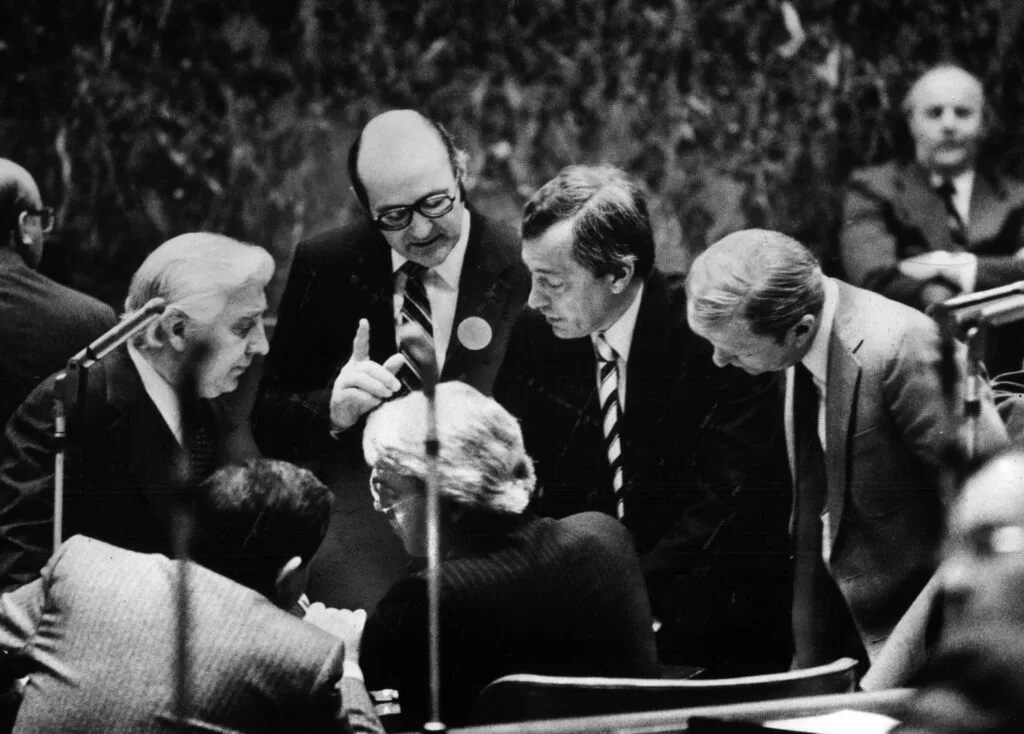
During the council's opening sessions, the anti-Washington majority seized control of leadership posts and critical committees, effectively paralyzing the mayor's reform agenda. Washington and his allies challenged the maneuver in court, but legal efforts yielded mixed results. In response, the mayor leaned heavily on his veto power. Because the opposition often lacked the two-thirds supermajority required to override him, City Hall ground to a standstill: Washington could not pass his reform agenda, but his opponents could not govern over his veto either.
Racial Polarization
The 1983 election and the Council Wars played out against a backdrop of intense racial and political friction. Washington drew overwhelming support from Black neighborhoods across Chicago’s South and West Sides, where voters saw his victory as a long-overdue breakthrough for fair representation. Conversely, many white voters and machine politicians viewed his election as a direct threat to the status quo. Policy debates quickly became tangled with issues of race, patronage jobs, and the allocation of public funds.
Still, reducing the entire conflict solely to race would be an oversimplification. Machine loyalty, committee infighting, competing visions for urban policy, and individual ambition were just as decisive. Washington worked hard to assemble a diverse coalition that crossed racial lines. His base encompassed not only African Americans, but also substantial portions of the Latino community and independent white Chicagoans who demanded an end to machine politics.
The Role of the Political Education Project
To break the legislative siege, Washington and his strategists recognized that they needed to expand their institutional power base. In 1984, they launched the Political Education Project (PEP), an initiative designed to coordinate campaigns and support pro-reform candidates. PEP focused on voter registration, volunteer recruitment, candidate training, and election monitoring—building an organized grassroots apparatus entirely separate from the old machine.
PEP's efforts proved decisive in the 1986 special aldermanic elections, where Washington-backed candidates won key races. The balance of power in the council shifted to a 25–25 tie. Under city rules, the mayor served as president of the council and held the tie-breaking vote. While tensions remained high, the political landscape shifted: Washington finally possessed the working majority needed to set the agenda and pass his initiatives.
How Harold Washington Transformed Chicago Politics
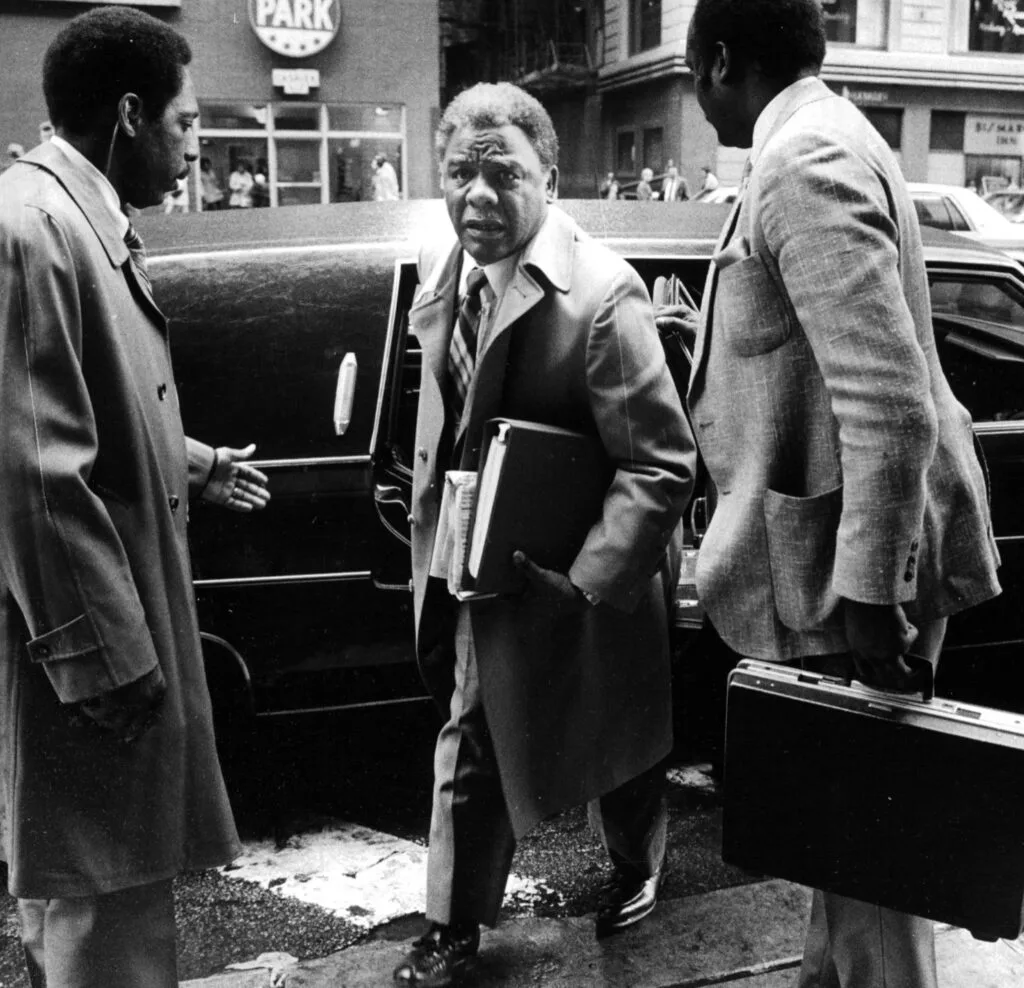
In evaluating Washington’s impact, it is essential to distinguish between his concrete administrative achievements and his broader symbolic legacy. First and foremost, his tenure permanently altered political representation in Chicago. He proved that an inclusive grassroots coalition could dismantle an entrenched party machine. Washington opened City Hall to communities that had previously been locked out of local governance, fostering a new generation of civic leaders and independent candidates.
On the policy front, a major milestone was the establishment of the Department of the Environment, led by prominent Great Lakes conservationist Lee Botts. This move reflected the administration’s broader mission: expanding the city's responsibilities to address systemic issues that had long been ignored by City Hall.
Just as importantly, Washington revolutionized Chicago’s political culture. His campaigns demonstrated that community mobilization, new voter turnout, and multiracial alliances could disrupt a system once regarded as untouchable.
In 1980s Chicago, Washington stood as the defining symbol of an alternative to party bosses. For the nation as a whole, his mayoralty underscored the vital role of grassroots organizing, minority enfranchisement, and multiracial coalitions in a thriving democracy.
Harold Washington died before completing his second term, but his 1983 victory, his endurance during the Council Wars, and his triumphant reelection left an enduring mark on American politics. His story remains a testament to the fact that democratic progress is not measured solely by who wins on election night—it depends on whether a society can transform that victory into lasting representation and meaningful change.
Наступна статтяThe Era of Richard J. Daley: Building the Political Machine and Modernizing Chicago