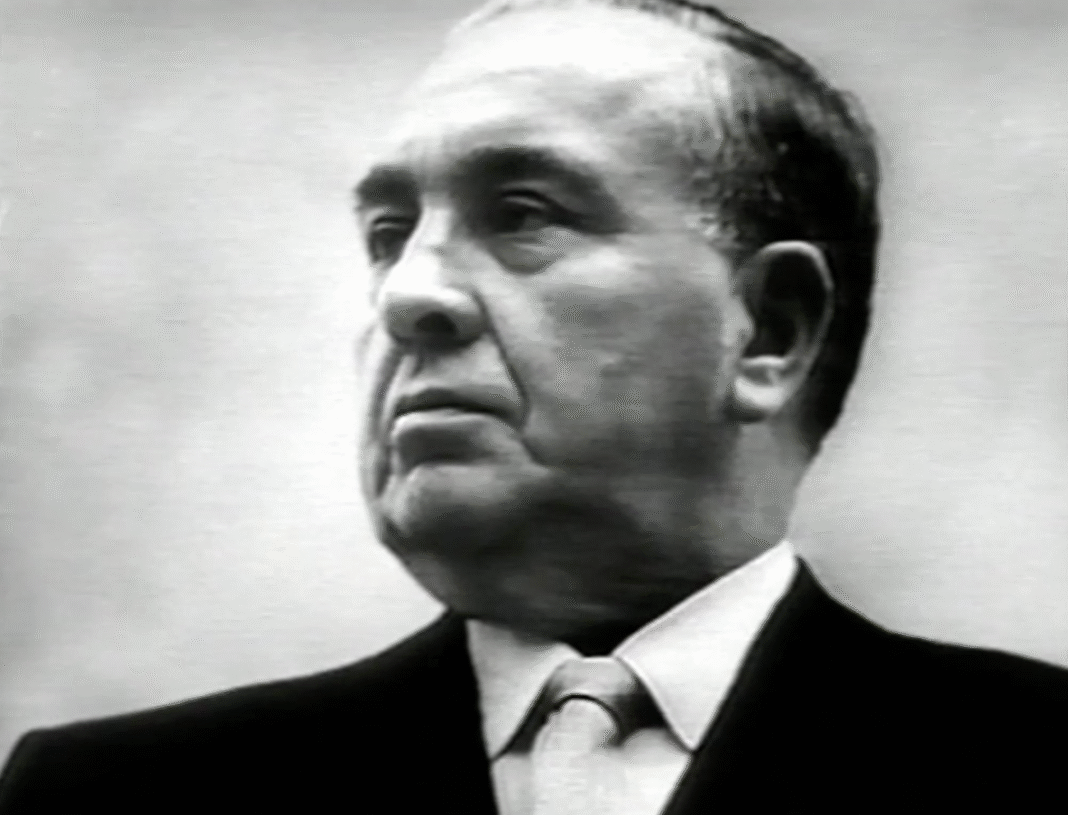

In the mid-20th century, Chicago stood at a critical crossroads: poised for unprecedented growth, yet threatened by deep-seated urban crises and social divisions. At the center of this transformation stood the city’s undisputed boss—Richard Joseph Daley. Serving as mayor from 1955 until his death in 1976, Daley is remembered as the architect of America’s last classic political machine and the driving force behind Chicago’s postwar modernization.
Under Daley’s stewardship, modern skyscrapers transformed the skyline and O’Hare International Airport opened to the world, even as the city struggled with political turmoil and racial fractures. Here is how a kid from a working-class neighborhood built an ironclad political empire—and what the famous motto “The City That Works” truly cost. Read more at chicago-yes.
Who Was Richard J. Daley and How Did His Era Reshape Chicago?
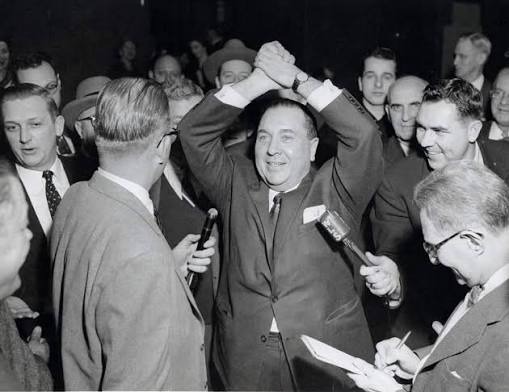
Historians and biographers tracking Richard J. Daley’s political rise have often described him as “the most powerful local politician America ever produced.” The record speaks for itself: Daley won six consecutive terms as mayor and helmed the Cook County Democratic Party Central Committee for more than twenty years.
Richard Joseph Daley was born on May 15, 1902, in Chicago to working-class Irish parents, Michael and Lillian Daley. He attended the De La Salle Institute, a local Catholic school, where he learned clerical skills and the fundamentals of commerce.
After graduating, Daley worked at the city’s stockyards while attending college classes at night. Later, he pursued formal legal training at DePaul University College of Law.
In 1933, Daley earned his law degree, and three years later formed a legal partnership with attorney William J. Lynch. Daley’s springboard into municipal politics was the Hamburg Athletic Club, an influential force in local neighborhood voting. He quickly rose through the ranks to become the club’s president.
This community powerhouse provided the young attorney with the vital network that would eventually carry him to City Hall. Alderman and Hamburg Club patron Joseph McDonough took notice of the promising organizer and appointed Daley his personal secretary.
Before long, Daley moved into city administration, rising from clerk to chief deputy county comptroller. In 1936, he won a seat in the state legislature on the Republican ballot line following a strategic vacancy; once elected, however, he immediately caucused with the Democrats and remained a loyal party stalwart for the rest of his life. Two years later, he was elected to the Illinois State Senate.
In 1946, Daley launched a bid for Cook County Sheriff and lost—the only electoral defeat of his entire career. By 1955, he ran for Mayor of Chicago, comfortably defeating incumbent Martin Kennelly in the primary and Cook County candidate Benjamin Adamowski in the general election.
Daley went on to secure five consecutive re-elections, serving six terms in total. By pairing executive control over City Hall with leadership of the Democratic Party apparatus, he commanded extraordinary leverage in Chicago, Springfield, and Washington alike.
Clans, Unions, and Wards: The Pillars of Daley’s Machine
Upon taking office, Daley prioritized overhauling Chicago’s administrative machinery. He dramatically expanded the city’s patronage network, demanding unyielding loyalty and iron discipline across all municipal departments.
Daley’s institutional grip was so absolute that few governors could rival his authority. He brought policy specialists into his inner circle and shifted budget controls away from the City Council directly into his comptroller’s office. City contracts were routed through a centralized purchasing agent, and key public services across Cook County were brought under direct mayoral oversight.
City Council members were stripped of their authority over permits and licensing. With the council opposition marginal and fragmented, Daley never lost a pivotal vote on the floor.
Another major victory came when Daley curtailed state oversight of Chicago’s affairs. Under his leadership, the city gained home-rule powers, granting municipal leaders the legal authority to levy taxes directly into city coffers.
Daley’s endurance as Mayor of Chicago rested on three pillars: organized labor, ward organizations, and ethnic voting blocs. Unlike his predecessors, Daley successfully brought Irish, Italian, and Polish neighborhoods under a single banner, guaranteeing consistent support on election day. Trade unions supplied loyal ground troops and votes in exchange for lucrative city contracts and favorable municipal policies.
Chicago was divided into 50 electoral wards, each commanded by a ward committeeman. These neighborhood bosses handled constituent services—resolving municipal issues, helping residents find city jobs, and smoothing bureaucratic hurdles. In return, they demanded unconditional loyalty at the ballot box.
Infrastructure Boom and the Modernization of Chicago
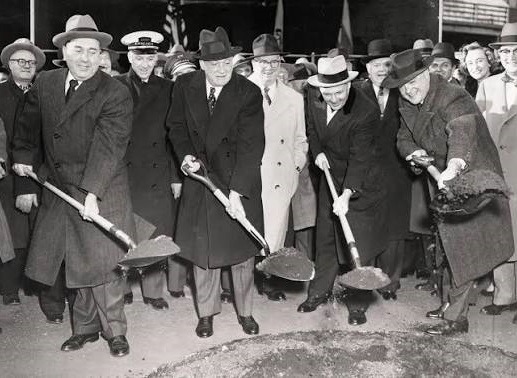
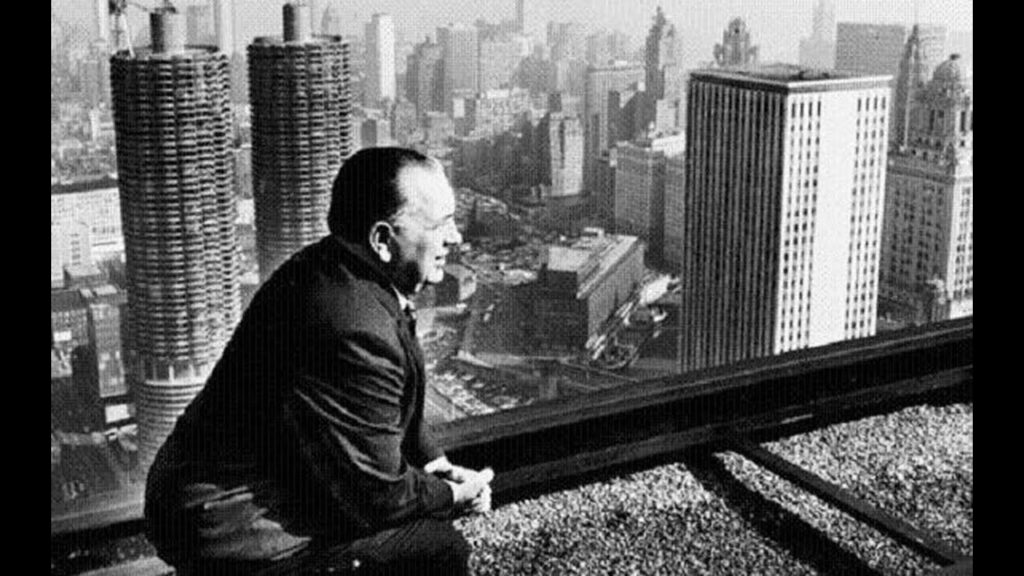
Modernizing Chicago’s infrastructure was Daley’s top priority. During his first term alone, city crews overhauled the sewer network, deployed modern sanitation fleets, and installed widespread street lighting. To strengthen law enforcement, Daley substantially expanded both the police and fire departments.
His administration completed the Central Water Filtration Plant, which ranked as the world’s largest water treatment facility at the time. In 1975, the city launched the ambitious “Deep Tunnel” project (TARP)—an enormous network of underground reservoirs and flood-control tunnels engineered to protect the city from chronic urban flooding.
Chicago also installed its first designated urban bike routes and opened public health clinics across the neighborhoods.
The urban landscape underwent a radical makeover as older blocks were cleared for renewal projects and public housing. Daley took immense pride in constructing the new University of Illinois Chicago campus. Meanwhile, massive public housing towers—including the Robert Taylor Homes, Stateway Gardens, and the Cabrini-Green Extension—sprang up across predominantly Black neighborhoods.
The Test of Power: Racial Strife and the Cracking Façade
Despite its efficiency, Daley’s political machine reinforced structural segregation. Rather than integrating Black residents into the economic fabric of Chicago, municipal policies confined them to high-density, isolated public housing high-rises.
On April 4, 1968, civil rights leader Martin Luther King Jr. was assassinated. King’s murder sparked outrage across the United States, and Chicago’s West Side quickly erupted in devastating riots and arson.
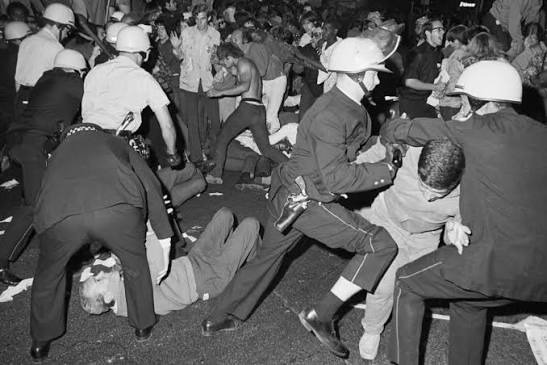
Rather than seeking de-escalation, Daley issued a controversial order directing police to “shoot to kill” arsonists and “shoot to maim” looters. The breaking point arrived in August 1968, when Chicago hosted the Democratic National Convention, drawing thousands of anti-war demonstrators and student activists onto the streets.
Under the glare of national television cameras, Chicago police cracked down violently on protesters, turning public plazas into battle zones. An official report later described the events as a “police riot.” Viewers across the country saw what lay beneath the city’s orderly façade: an entrenched resistance to social reform and the brutal suppression of dissent.
Legacy of “The Last of the Big-City Bosses”
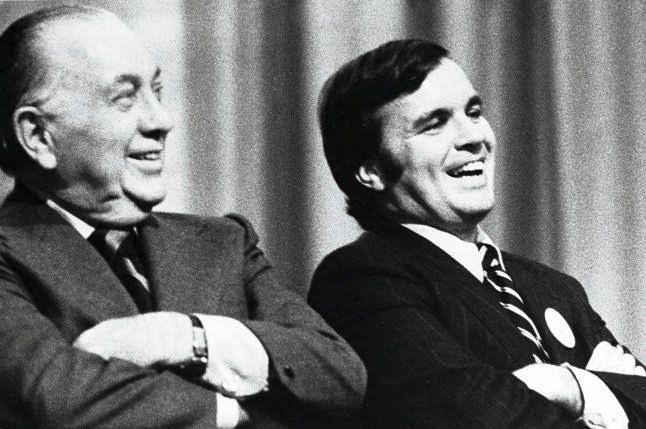
Despite heavy national backlash, Daley cruised to another landslide victory in 1975, capturing more than 70 percent of the vote. On December 20, 1976, during a routine visit to his doctor, he suffered a fatal heart attack and died at the age of 74. Hundreds of political leaders, including President-elect Jimmy Carter, attended his funeral.
Daley remains one of the most polarizing figures in modern urban history. Proponents view him as the “last of the big-city bosses” who saved Chicago from the severe post-industrial decline that crippled rival Rust Belt cities, building it into a global architectural, financial, and transit hub.
Critics point out that his supremacy relied on patronage, nepotism, backdoor dealing, and the systematic neglect of minority communities. Chicago’s political machine was anchored by Daley’s personal authority; after his death, it began to fracture, clearing the way for new political forces.